Christmas trees and sustainability are a much-discussed topic these days, but is it true that natural ones leave a bigger carbon footprint than artificial ones?
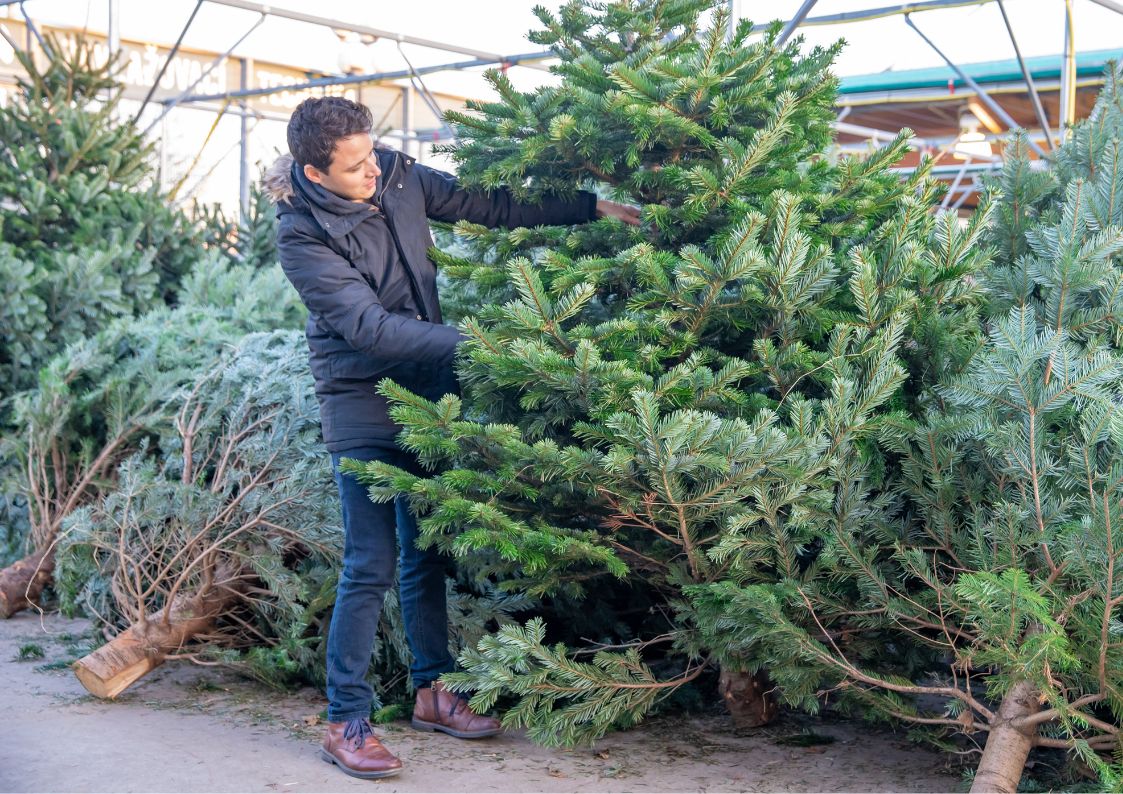
The tradition of decorating our homes with natural fir trees at Christmas is in no way at odds with sustainability. Buying a natural tree does not, in this case, contribute to deforestation or the mistreatment of nature. These young trees, if bought from trusted outlets, are grown solely for use at this time of year.
Environmental impact of natural trees
If for you Christmas without the freshness and aroma of a natural tree is not Christmas, you need not worry. The Carbon Trust found that natural Christmas trees have a smaller carbon footprint than artificial trees.
According to Carbon Trust, a two-metre natural Christmas tree without roots that is disposed of in a landfill after Christmas has a carbon footprint of around 16 kg of carbon dioxide.
Meanwhile, a two-metre natural Christmas tree with roots that is disposed of properly after use has a carbon footprint of around 3.5 kg of carbon dioxide. Disposing of it correctly in this sense means burning it on a bonfire, planting it in your garden, or having your local council turn it into compost.
A 2-metre-tall artificial Christmas tree made of plastic has a carbon footprint of around 40 kg of CO2. When we compare that with a natural tree, disposed of correctly, we are talking about an artificial tree needing to be used for at least 10 years to be greener than a natural tree.
Where can you buy natural Christmas trees?
From 25 November, at Eiviss Garden we will offer you a wide variety of fir trees in different sizes and shapes.
Once the holidays are over, the trees can be shredded and composted, or you can use them in your wood-burning stove (if you have one). If that is the case, let the wood dry for as long as possible, as burning green or unseasoned wood is not good in terms of particulate emissions.
Why is the carbon footprint of an artificial tree so high?
In addition to being made from carbon-heavy fossil fuels, most artificial trees are imported from countries such as China, which also adds to their carbon footprint logistically.
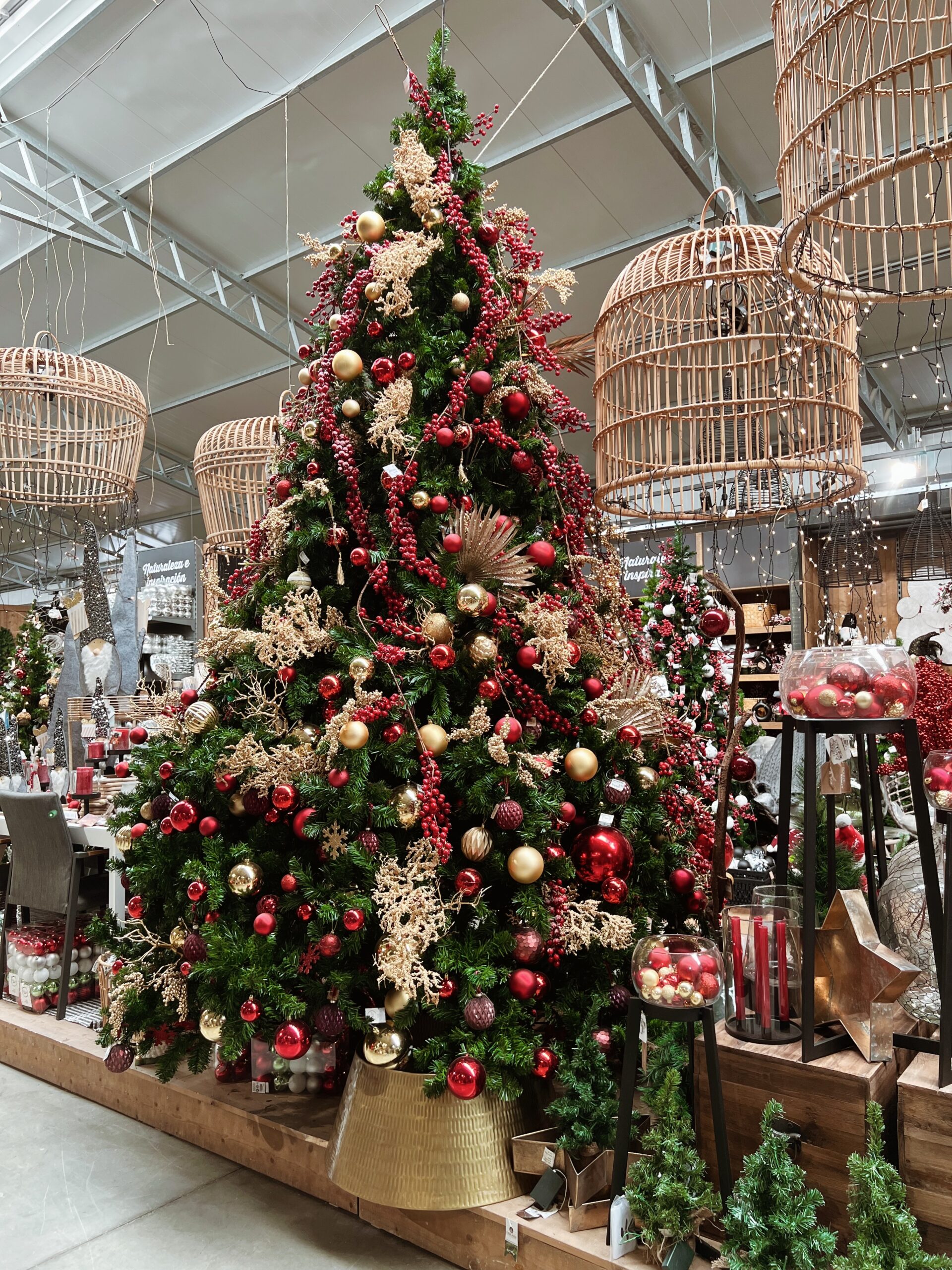
This does not mean that all artificial trees are bad for the environment. If it is something you are going to use for the long term, we recommend doing so. Buying a real Christmas tree every year can be expensive. Instead, it can be more affordable to pay a one-off cost for an artificial tree that you will use for years to come.
If you choose an artificial tree to decorate your home this Christmas, we recommend buying one without built-in lights, as they are more complex to repair. At Eiviss Garden, we have all sizes and always the highest quality, so you can reuse them year after year and they always look new.
Tags
flowers
,
Garden
,
mental health