July puts any garden to the test. In Ibiza, high temperatures, dry winds and long hours of sunshine make watering, mulching and plant selection more important than ever.
With some simple care, it is possible to keep a garden full of colour throughout the summer, reduce water consumption and prepare plants to face August in the best possible conditions.
Below, we run through the main gardening tasks for this month.
1. Fertilising
During July, plants continue to need nutrients to maintain flowering and withstand the stress caused by the heat. However, it is important to adapt your fertilising routine to summer conditions.
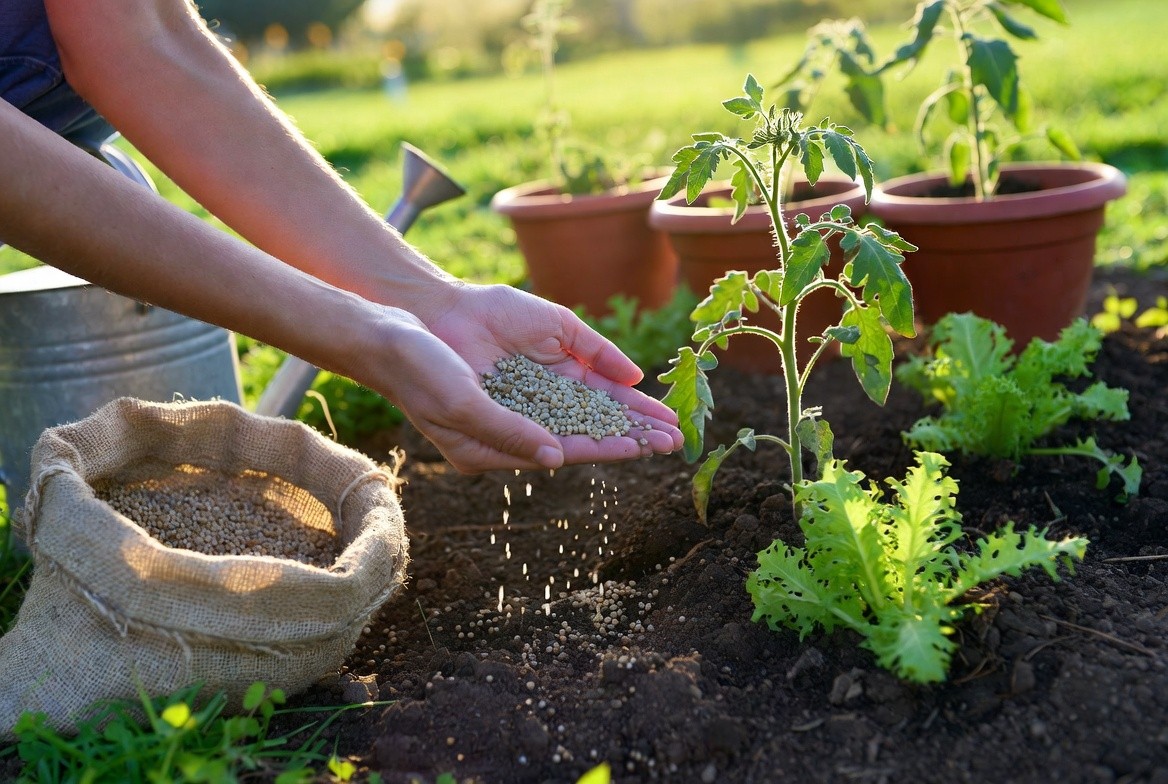
Choose a balanced fertiliser
Opt for fertilisers rich in phosphorus and potassium, which promote flowering, strengthen roots and help plants better resist high temperatures. Avoid fertilisers with excess nitrogen, as they stimulate very tender growth that suffers more during summer.
Make use of biostimulants
Seaweed extracts or plant-based amino acids are excellent allies during July. They help plants recover from water stress, improve their heat resistance and promote longer-lasting blooms.
Apply fertiliser during the coolest hours
Always fertilise first thing in the morning or at dusk, and water afterwards to facilitate nutrient absorption.
Prioritise organic fertilisers
Compost, worm humus or guano release nutrients gradually, improve soil structure and promote microbiological activity.
Avoid excesses
Always follow the manufacturer's recommendations. Too much fertiliser can damage roots and have the opposite effect to the one desired.
2. Planting
Although July is not the ideal month for major planting projects, we can still introduce species that are particularly well-suited to the Mediterranean climate.
Whenever possible, plant first thing in the morning or at dusk, and water generously during the first few days.
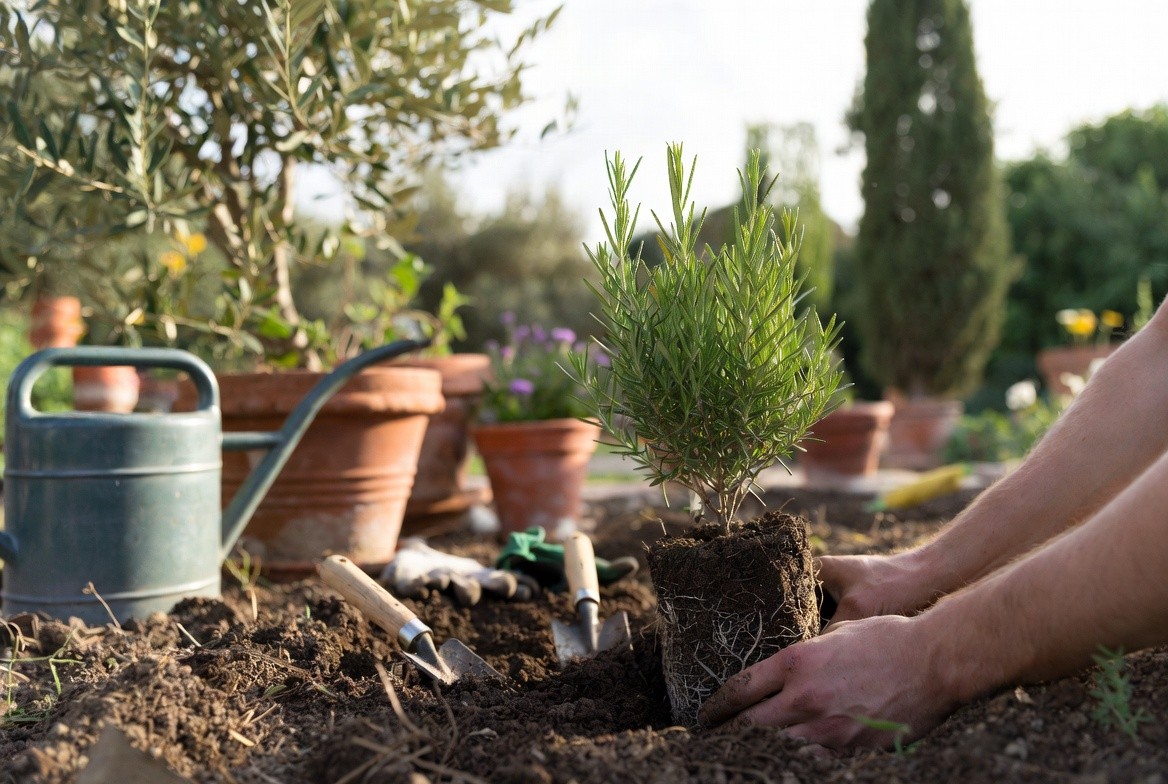
Mediterranean trees
Olive, carob and almond trees remain excellent choices for Ibizan gardens thanks to their drought tolerance and low maintenance needs.
Ornamental trees
Cypress and Aleppo pine provide year-round structure to the garden and perfectly withstand Mediterranean summer conditions.
Hardy shrubs
Lavender, rosemary, santolina, mastic, myrtle, teucrium and westringia are species highly adapted to Ibiza's climate. In addition to requiring little water, they provide scent and texture, and attract numerous pollinators.
Flowering plants
If you want to add colour during summer, opt for species such as lantanas, salvias, cape leadwort, vincas, zinnias, agastaches or gauras. These are extremely resilient plants that keep flowering even during the hottest months.
Revise your pots
July is also a good time to partially refresh the potting mix of container-grown plants or repot them into slightly larger containers if needed. Fresh compost will retain moisture better and help reduce heat stress.
In our production nursery in Santa Gertrudis, we cultivate a large proportion of our plants adapted to Ibiza's climate, allowing us to offer specimens perfectly prepared to thrive on the island.
3. Indoor plants
Even when protected from direct sunlight, houseplants also suffer during the summer and require some specific care.
Water when the compost needs it
Always check the moisture level before watering. Overwatering can be just as damaging as underwatering.
Increase ambient humidity
Grouping several plants together helps to create a more humid microclimate. You can also place saucers with pebbles and water under the pots, ensuring the roots do not sit in direct contact with the water.
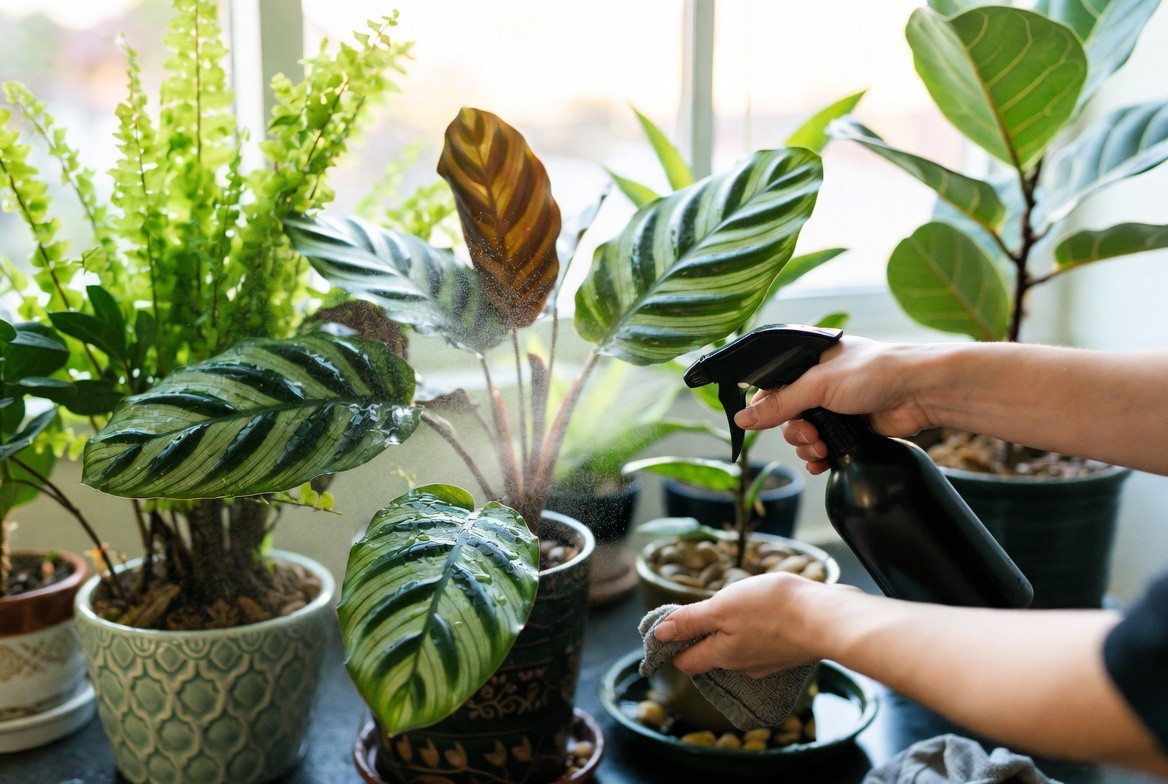
Mist tropical species
Monsteras, calatheas, ferns and alocasias appreciate regular misting with lime-free water, especially on the driest days.
Keep leaves clean
Dust hinders photosynthesis. Wiping leaves with a damp cloth every two weeks improves both their health and appearance.
Avoid direct air conditioning
Cold draughts can cause dehydration, leaf spots and leaf drop. Place plants well away from air vents or fans.
Watch out for pests
Red spider mites, mealybugs and thrips are particularly common during summer. Checking the undersides of leaves regularly will help you spot them before they become a problem.
If you are going away on holiday, use automatic watering systems or group your plants in a bright area out of direct sunlight to better conserve moisture.
4. The kitchen garden
July is one of the most productive months of the year in the veg patch. While we enjoy abundant harvests, we also start preparing autumn crops.
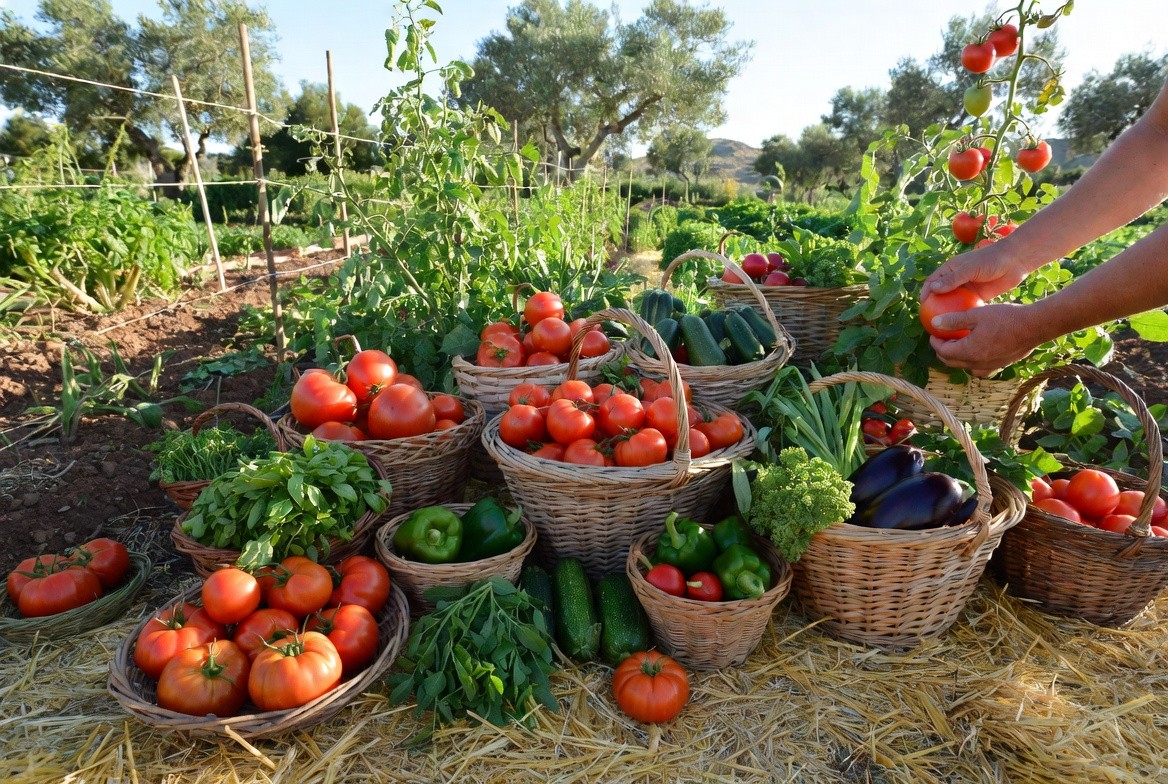
Enjoy the harvest
Tomatoes, peppers, cucumbers, aubergines, courgettes, melons, watermelons, peaches and figs reach their peak.
Pick crops frequently to stimulate new production and get more tender, flavourful vegetables.
Stake your plants
Tomatoes, peppers and aubergines will benefit from a solid staking or support system to bear the weight of the fruit and improve ventilation.
Protect fruit from the sun
Avoid removing too many leaves during pruning. The foliage itself protects tomatoes and peppers from sunscald.
Mulch the ground
Covering the soil with straw, bark or organic mulch helps conserve moisture, suppress weeds and maintain a more stable soil temperature.
Prepare the autumn plot
It is a good time to start sowing broccoli, cauliflower, cabbage, carrots, beetroot and turnips to be harvested in the coming months.
Keep watering consistent
Summer crops need regular moisture. Deep, less frequent watering is preferable to small, shallow watering several times a day.
5. Lawn care
July is probably the most demanding month to maintain a healthy lawn. Intense heat and rapid evaporation require you to adapt your care routine.
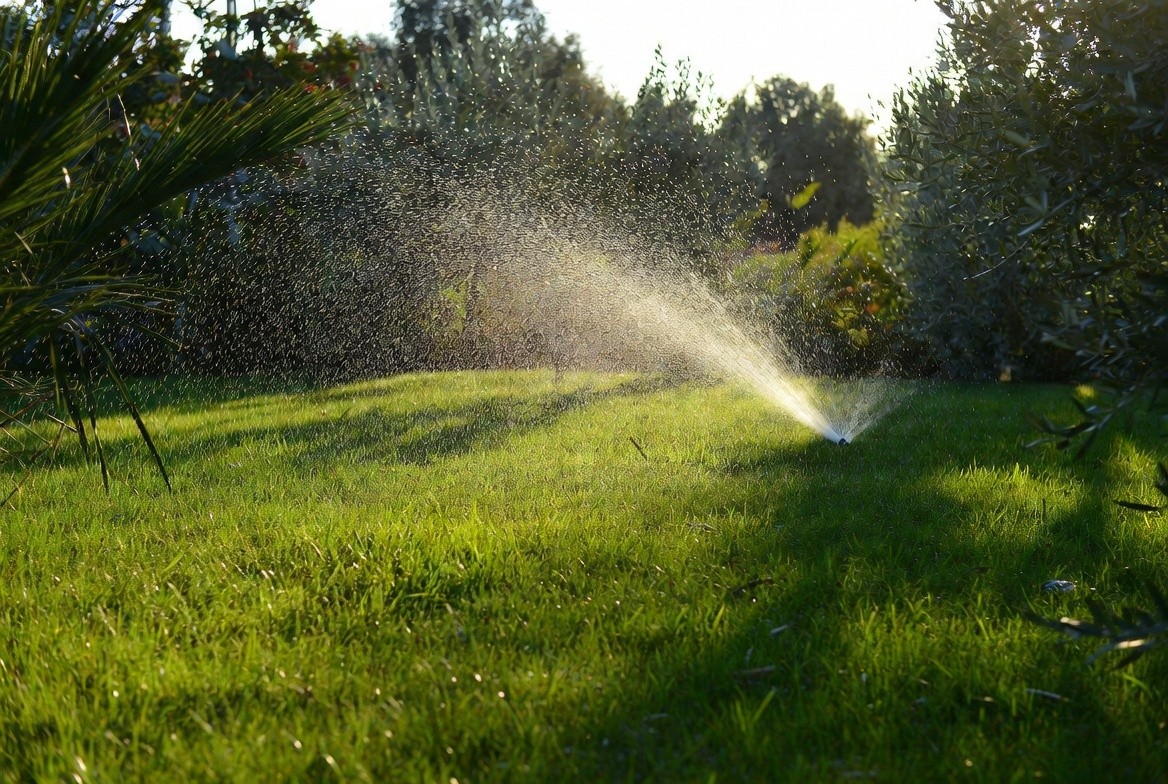
Water at the right time
Water deeply first thing in the morning to reduce evaporation and encourage deeper root development.
Do not mow too short
Maintain a grass height of roughly 5 to 7 centimetres. A slightly longer lawn protects the soil from the sun and retains moisture better.
Avoid aggressive tasks
It is not recommended to scarify or carry out major overseeding during July. It is better to wait until temperatures drop in autumn.
Control weeds
Summer conditions favour the appearance of invasive weeds that compete for water and nutrients. Remove them as soon as possible to prevent them from spreading.
Check the irrigation system
Regularly check that sprinklers are working correctly and distributing water evenly. A small adjustment can considerably reduce water consumption.
Advice from Eiviss Garden
In Ibiza, a beautiful garden is not the one that consumes the most water, but the one designed to live in harmony with the Mediterranean climate. Opting for heat-adapted plants, using organic mulches and watering efficiently allows you to enjoy a sustainable garden full of life that is much easier to maintain all summer long.
At Eiviss Garden, we will be delighted to help you choose the most suitable plants for your space and offer the necessary advice to ensure your garden looks spectacular all year round.