November is one of those months when the garden begins to transform quietly in the background. The days are drawing in, temperatures start to dip, and many plants slow their growth. However, in a Mediterranean climate, autumn doesn't necessarily bring cold, wet weather: we can still enjoy sunny days and mild temperatures.
That is why November isn't simply about letting the garden go dormant. It is the ideal time to prep the soil, get new plants in the ground, care for indoor plants, and organise the winter veg patch.
At Eiviss Garden, we have put together this November 2026 gardening guide with practical tips on what to plant, how to look after your greenery, and which essential jobs to tackle in your garden or on your terrace this month.
1. Feeding and fertilising: nourishing your plants
With the arrival of November, many plants enter a slower growth phase and their nutrient requirements change. This doesn't mean you should feed the entire garden ahead of winter; rather, it’s about knowing where and when to apply nutrients.
In fact, November is a great time to improve soil condition, particularly if you are planning new additions or preparing the winter kitchen garden.
Types of fertiliser to consider in a Mediterranean climate:
Organic fertiliser
Well-rotted compost and worm cast help improve soil structure, encourage beneficial microbial activity, and aid moisture retention.
They are especially useful for preparing raised beds, refreshing planters and window boxes, and replenishing soil depleted over the summer.
Slow-release fertiliser
This can be beneficial for certain plants that continue to grow throughout autumn, provided you choose an appropriate feed and follow the manufacturer's instructions.
Not all species need feeding at this time of year; plants entering dormancy typically require very few nutrients.
Green manure
If you have an empty patch in your vegetable garden that will stay bare over the coming months, consider sowing a cover crop, such as selected legumes.
These plants help protect the soil from erosion and, when dug in properly, significantly boost soil fertility.
Tips for feeding in November in Mediterranean regions
Keep an eye on plant growth: don't fertilise just because of the calendar if plants don't genuinely need it.
Prioritise organic matter: particularly in beds set aside for new plantings and winter crops.
Avoid high-nitrogen feeds: they can trigger soft, tender new growth that is vulnerable to cold snaps.
Check soil moisture levels: never apply fertiliser to completely dry or waterlogged ground.
Tailor care to each species: Mediterranean native plants like rosemary, lavender, and olive trees do not require heavy feeding.
Eiviss Garden tip: before choosing a fertiliser, determine your main goal—whether that's improving soil structure, encouraging growth, or remedying a nutrient deficiency. Different feeds serve very different purposes.
2. Planting: Renewal and Fresh Starts
If there is one particularly rewarding task in November, it is planting.
Across much of the Mediterranean, milder temperatures and lower evaporation rates create ideal conditions for many species to establish robust root systems before summer arrives.
However, it is best to hold off if the soil is bone-dry, waterlogged, or if temperatures remain unseasonably high.
Ideal Plants for November Planting
Native Trees and Shrubs
Now is a great time to introduce species well adapted to the Mediterranean climate, such as:
Olive trees
Holm oaks
Carob trees
Strawberry trees (Arbutus unedo)
Mastic trees (Lentisk)
Almond trees
These varieties are perfect for low-maintenance landscaping and, once established, boast excellent drought tolerance.
Remember that even drought-resistant plants need regular watering during their first few months to help them establish.
Late-Flowering Bulbs
Although their flowers won't appear just yet, November is a key month to set the stage for next spring's display.
Depending on the species and your garden's specific conditions, you can plant:
Daffodils (Narcissi)
Hyacinths
Grape hyacinths (Muscari)
Crocuses
Freesias
Anemones
Tulips
In Mediterranean regions with mild winters, some bulbs—especially tulips—may benefit from a pre-chilling period to ensure proper flowering.
Cyclamens, Asters, Chrysanthemums and Roses
Autumn has its own stars.
Cyclamens bring vibrant colour to cool, sheltered spots. Chrysanthemums remain a seasonal favourite, and roses can take advantage of this time to establish root systems ahead of their next growing cycle.
Asters, depending on the variety and flowering period, can also provide a brilliant burst of late-season colour.
Herbs and Aromatics
Rosemary, thyme, sage and lavender are excellent choices for Mediterranean gardens.
Always choose a sunny spot with free-draining soil. These herbs far prefer slightly dry conditions over excess moisture around their roots.
Eiviss Garden Tip: November is the perfect time to think long-term. Rather than choosing plants based solely on how they look right now, consider their mature size, how much space they will need, and their upkeep requirements through the summer heat.
3. Houseplants
As outdoor gardens begin to slow down, our houseplants also register the changing season.
Even indoors, shorter daylight hours, fluctuating temperatures, and the use of central heating or air conditioning will shift their care needs.
November is a good time to review where your pots are placed and adjust care routines without making unnecessary overhauls.
Air Humidity
Certain tropical plants, such as ferns, calatheas, and specific alocasias, thrive in higher humidity levels.
When central heating is turned on, indoor air quickly becomes dry.
To help them through:
Group plants with similar microclimate needs together.
Use a humidifier if the air is excessively dry.
Keep them away from radiators, heaters, and hot-air vents.
Ensure rooms have adequate ventilation.
Keep in mind that not all houseplants require high humidity—succulents and cacti, for instance, prefer much drier air.
Sunlight
Natural light drops significantly throughout November, which can quickly impact plants positioned in darker rooms.
Move them closer to bright windows, provided the species tolerates it.
Wipe dust off foliage to maximise light absorption.
Keep delicate plants shielded from cold draughts.
Turn pots periodically if you notice stems leaning towards the light.
If a plant starts producing leggy, spindly stems and sparse, undersized leaves, it is likely not getting enough light.
Watering and Feeding
One of the most common autumn mistakes is watering at the same rate as in summer.
With less light and slower growth rates, most plants consume far less water.
Always check the moisture level of the potting compost before watering.
Adjust watering frequency based on the species, pot size, and indoor temperature.
Never leave standing water in saucers or drip trays.
Cut back or pause feeding once the plant stops actively growing.
Remember: Not all plants become dormant in winter. Some tropical species will continue to grow if provided with sufficient light and warmth.
Pest Control and Cleaning
Even in autumn, houseplant pests can still pose a problem.
Warm, dry indoor environments create ideal breeding grounds for red spider mites, mealybugs, and thrips.
Take a few minutes to inspect the undersides of leaves, stems, and fresh shoots.
If you spot an infestation, identify the pest first and apply a suitable treatment approved for domestic use, following the product instructions carefully.
Checking Pots and Root Systems
November can also be a good time to assess whether a plant is root-bound, although you don't always need to repot right away.
Check for signs such as:
Roots poking through the drainage holes.
Potting mix drying out unusually fast.
Growth stalling completely despite good care.
Water running straight through the pot without properly soaking the compost.
Unless it is an emergency, it is usually best to wait until the next active growing season in spring before repotting indoor plants.
Eiviss Garden Tip: Before moving all your plants around for autumn, take note of which ones are already thriving. Sometimes, the best care is simply leaving what works well alone.

4. Kitchen garden: harvesting and sowing
November is a month full of possibilities for anyone who enjoys growing their own vegetables.
While some summer crops are coming to an end, others are beginning to thrive thanks to the milder temperatures.
In the Mediterranean kitchen garden, autumn offers a second chance to sow, plant and harvest.
Harvesting in November
Depending on when you sowed and the weather conditions, you can still find a variety of produce ready to pick.
Broccoli, squash, courgette and cauliflower
Late squashes and pumpkins may be ready for harvest, while the last courgettes will depend on the temperature and the overall health of the plants.
Broccoli and cauliflower will start producing heads depending on the variety and when they were planted out.
Citrus fruits
November marks the start of the harvest season for certain varieties of clementines, mandarins and early oranges.
Olives
In many Mediterranean groves, the harvest continues, although the ideal time depends on the variety and whether the fruit is for table olives or pressing.
Root vegetables
Radishes, carrots, beetroot, turnips and leeks may be ready to harvest if they were sown well in advance.
Leafy greens
Spinach, Swiss chard, rocket and certain lettuce varieties thrive in the cool conditions of autumn.
Sowing and planting in November
Garlic and onions
November is an ideal time to plant garlic cloves in many Mediterranean regions, along with specific overwintering onion varieties.
Broad beans and peas
These are two staples of the autumn and winter kitchen garden. They can be sown directly into the ground when soil conditions are right.
Spinach and rocket
Mild temperatures encourage steady growth, providing tender leaves to harvest over the coming months.
Winter lettuces
Choose varieties suited to cooler weather and keep the soil consistently moist, ensuring it does not become waterlogged.
Eiviss Garden tip: before starting any new sowing, clear away remnants from previous crops, work in well-rotted compost if the soil needs a boost, and ensure the ground has good drainage.
5. Lawns: maintenance and winter preparation
Lawns also shift into a different gear in November, but their care requirements largely depend on the grass variety you have planted.
In Mediterranean gardens, you will find both warm-season grasses—which slow their growth considerably as temperatures drop—and cool-season varieties, which can remain active throughout autumn.
Because of this, there is no one-size-fits-all lawn care routine.
Keep lawns clear of fallen leaves
Fallen leaves are part of the autumn landscape, but thick carpets of leaf litter can block vital sunlight and airflow from reaching the turf.
Rake them up regularly, especially after bouts of wind or heavy rain.
If the leaves are healthy, you can add them to the compost heap or use them as mulch in other areas of the garden.
Scaling back watering
You will likely need to cut back on irrigation in November, but it shouldn't necessarily be switched off altogether.
If rainfall is low and the soil remains dry, the lawn may still need a top-up.
Check soil moisture levels and adjust your irrigation timers to reflect actual weather conditions.
The goal is to prevent both prolonged dry spells and waterlogging.
Mowing: slow down, don't stop
Just because growth is slowing doesn't mean it's time to pack away the lawnmower for good.
If the grass is still growing, you can keep mowing—just do it less frequently.
Raise the cutting height to avoid cutting too low, and never take off more than a third of the blade height in a single cut.
Once growth stops entirely, you can pause mowing until active growth resumes.
Composting with autumn leaves
Fallen leaves are an invaluable resource for boosting overall garden health.
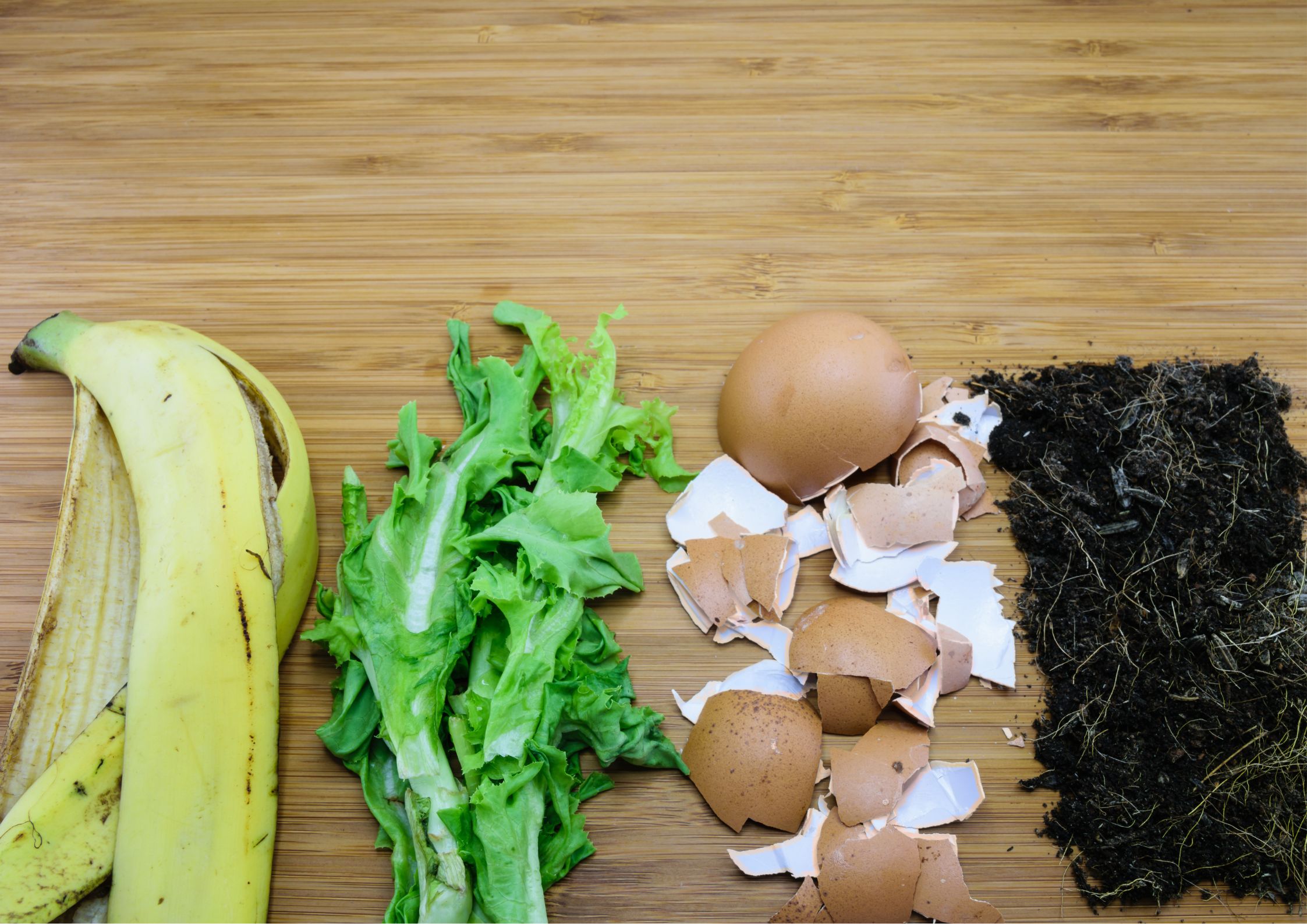
Mix them with green garden waste to make rich compost, aiming for a healthy balance of dry "browns" and moist "greens".
Alternatively, shred them to use as leaf mould or mulch around trees and shrubs, taking care to keep it clear of the main trunks.
Eiviss Garden tip: After the first heavy downpours, check for areas where water tends to pool. Identifying drainage issues now will help you prevent waterlogged roots and lawn damage over the coming months.
November: the ideal time to prepare for the seasons ahead
The garden doesn't shut down in November—it simply shifts its priorities.
Now is the time to focus on soil conditioning, make the most of ideal planting conditions, tend to the winter kitchen garden, and tailor your maintenance to the seasonal needs of each plant.
Above all, it's a chance to enjoy gardening at a gentler, more mindful pace, in tune with nature's cycles.
At Eiviss Garden, you'll find seasonal bedding plants, spring-flowering bulbs, composts and potting substrates, tools, fertilisers, and everything you need to set up your garden, patio, or veg patch for the months ahead.
Our team is always on hand to help you choose the best varieties and supplies for your outdoor space.
We look forward to seeing you at Eiviss Garden. Every season has something new to offer.