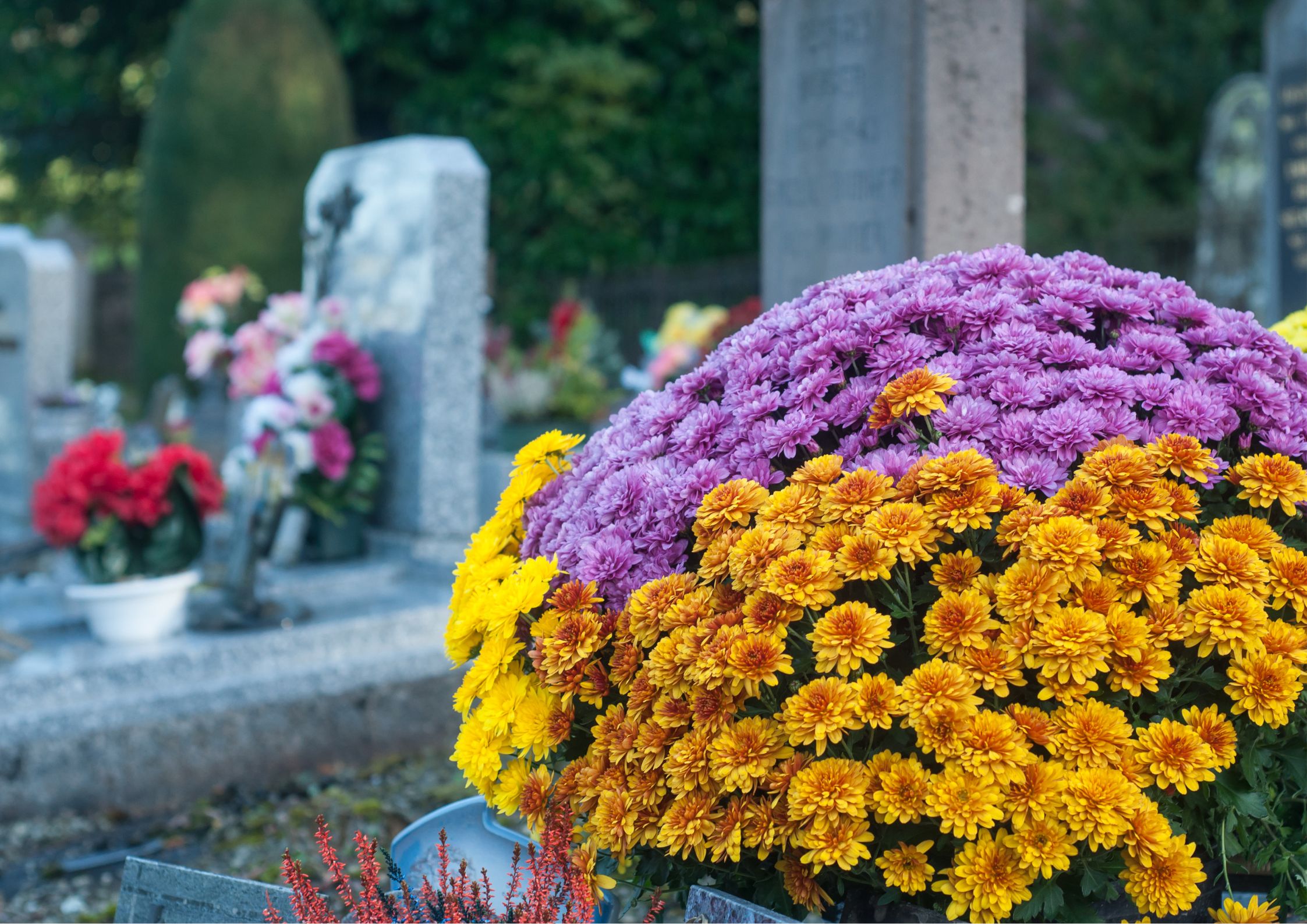
All Saints’ Day is a religious celebration to honour those who are no longer with us. 1 November has become the day on which we pay our respects to the deceased, especially with one flower: the chrysanthemum. It is a time to come together and remember them, but what is the meaning of this tradition?
History of All Saints’ Day
This custom dates back a long way. Although many may think so, it does not come from the Bible. In fact, it began in May 609, when Pope Boniface IV dedicated the Pantheon in Rome to the Blessed Virgin Mary. In the 8th century, Pope Gregory III changed the date to 1 November when he dedicated a chapel in the Vatican in honour of all the saints, and Pope Gregory IV later extended this celebration of all saints to the universal Church.
On this day, in the Christian tradition, people visit cemeteries and remember all those we have lost with floral tributes and prayers.
On 1 November, it was declared a national holiday and the custom arose of visiting cemeteries to keep vigil over the souls of relatives and decorate their graves with flowers.
In the 18th century, cemeteries were moved further away from the centres of cities. The increasingly common family graves meant that the deceased were not necessarily buried where they lived, but where they were from. This increased the distance involved in visiting the dead.
It could no longer be part of a daily routine, but instead became a very special moment. This led to a need for greater introspection.
During the 20th century, what began as a religious celebration became more of a popular tradition. Today, All Saints’ Day is a day for more than just believers. For many families, members often live increasingly far apart. This special day is often a time to come together to honour the memory of those who have passed away. School holidays, which usually fall around this date, make it easier to travel and meet up with family members.
Chrysanthemum as the flower for All Saints’ Day
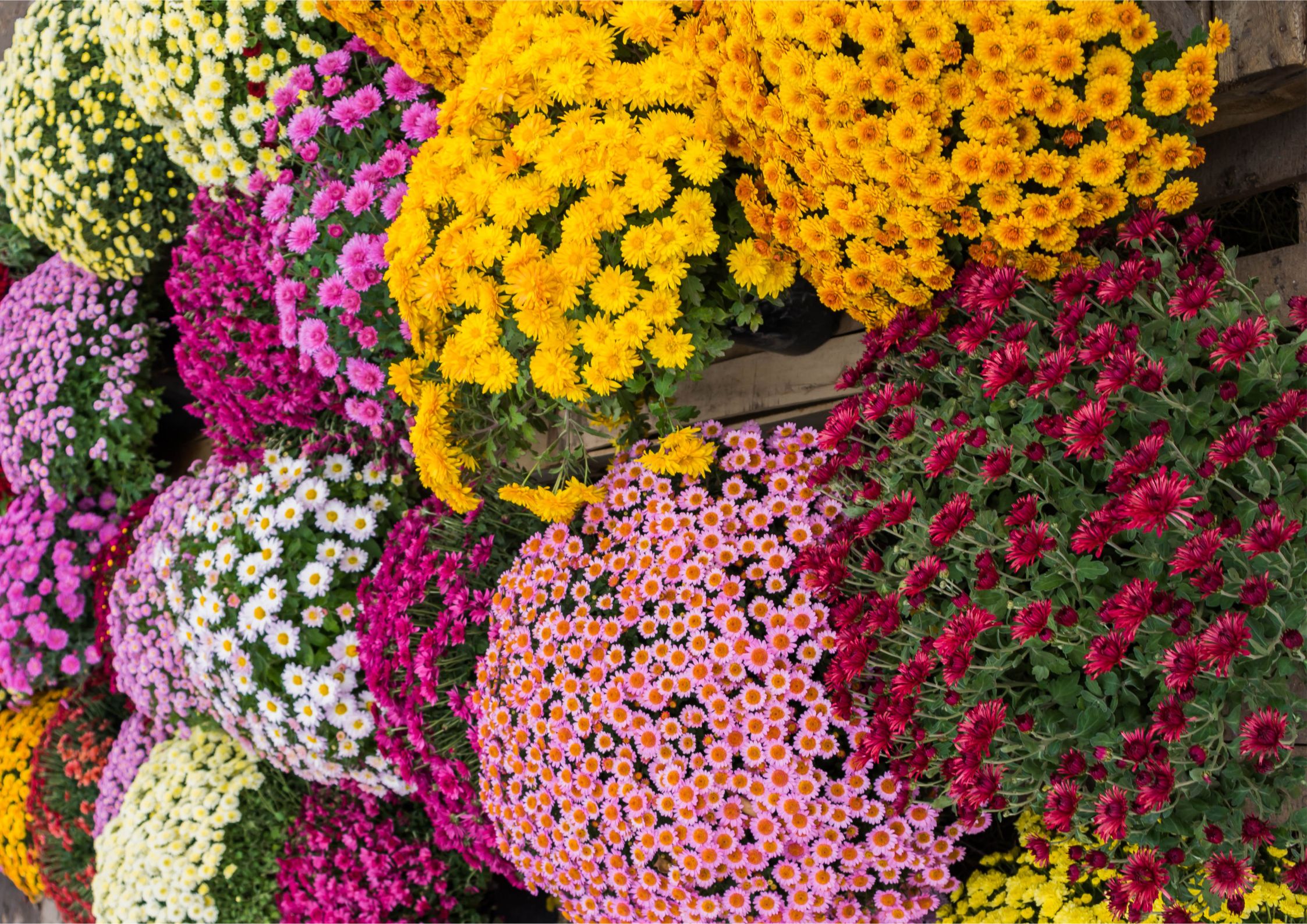
The chrysanthemum is a flower originally from Asia, although it has spread worldwide. It is characterised by its wide variety of colours and, although it is associated with death, depending on the colour it also represents eternity, fidelity, optimism, wisdom and a long, full life.
Likewise, the chrysanthemum is one of those flowers that still blooms in November, which is why it became the flower of choice for cemeteries.
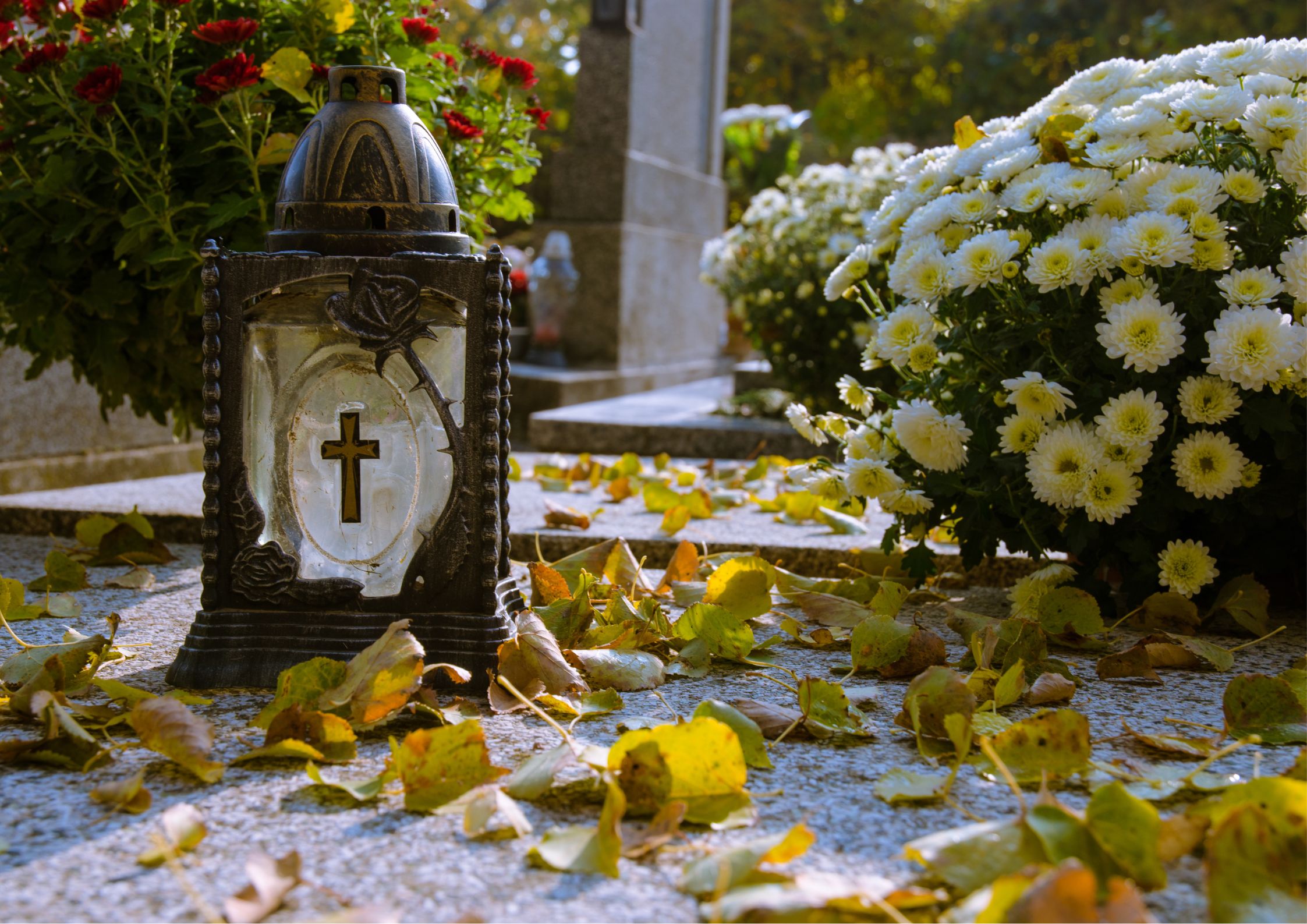
Carnations are also among the most sought-after flowers, in their red variety, which represents respect for the deceased, and in white, which symbolises the purity of the soul.
From Eiviss Garden, we wish you a fulfilling day, filled with love and respect.