Every 3 March we celebrate World Wildlife Day, a key date to raise awareness of the importance of protecting biodiversity and encouraging safe spaces for flora and fauna. We often think that wildlife belongs exclusively to forests and nature reserves, but the reality is that our own gardens can become vital refuges for butterflies, bees, birds and other pollinators.
At Eiviss Garden, we are committed to sustainable gardens that support biodiversity. In this article, we explain how to transform your garden, terrace or balcony into a natural refuge.
Benefits of a wildlife-friendly garden
Having a garden that promotes biodiversity not only enhances the beauty of your green space, but also contributes to the preservation of the ecosystem. Here are some of its main benefits:
Greater biodiversity
A diverse garden attracts beneficial insects, birds and other small animals that help to balance the ecosystem and promote a healthy environment.
Natural pollination
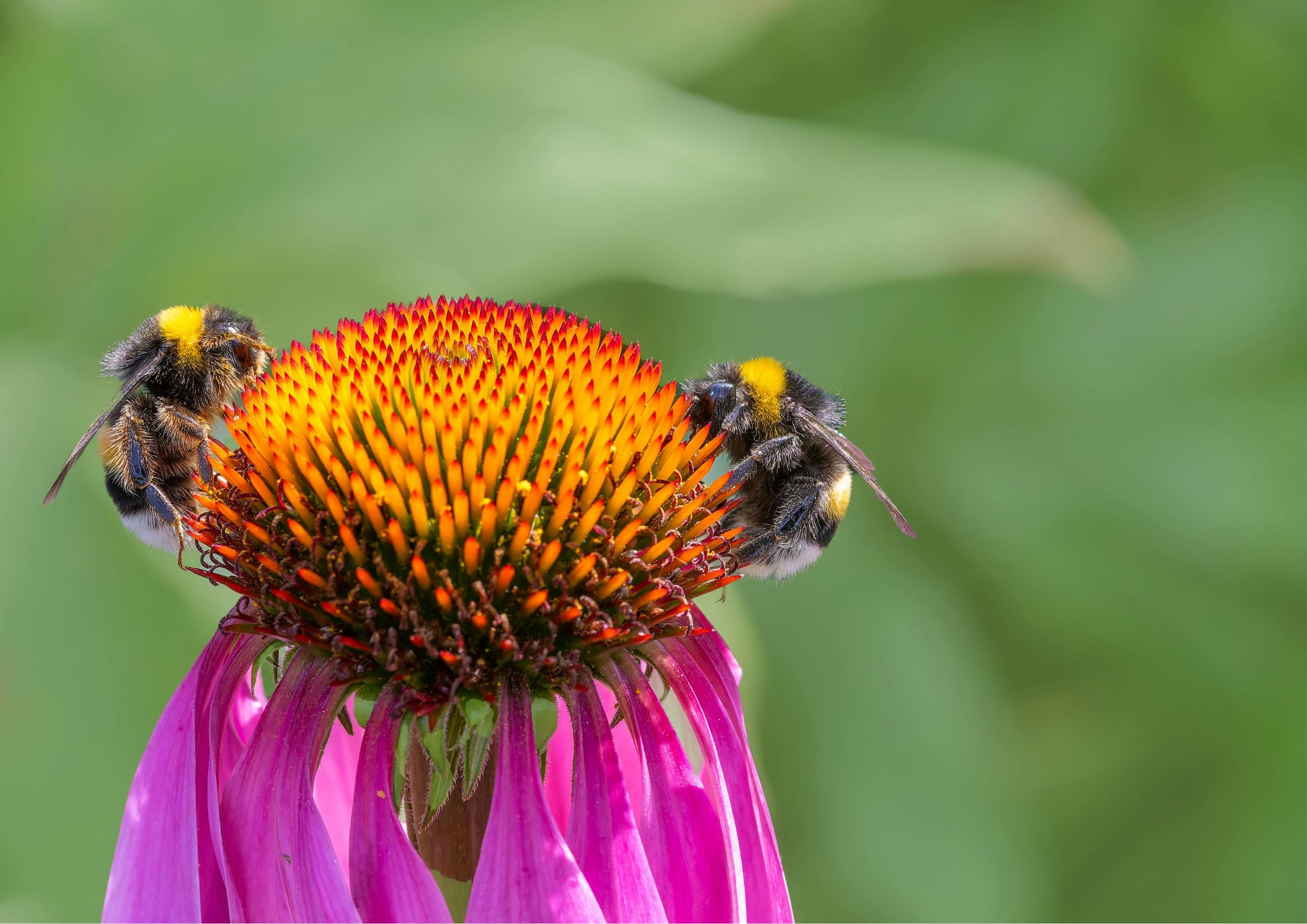
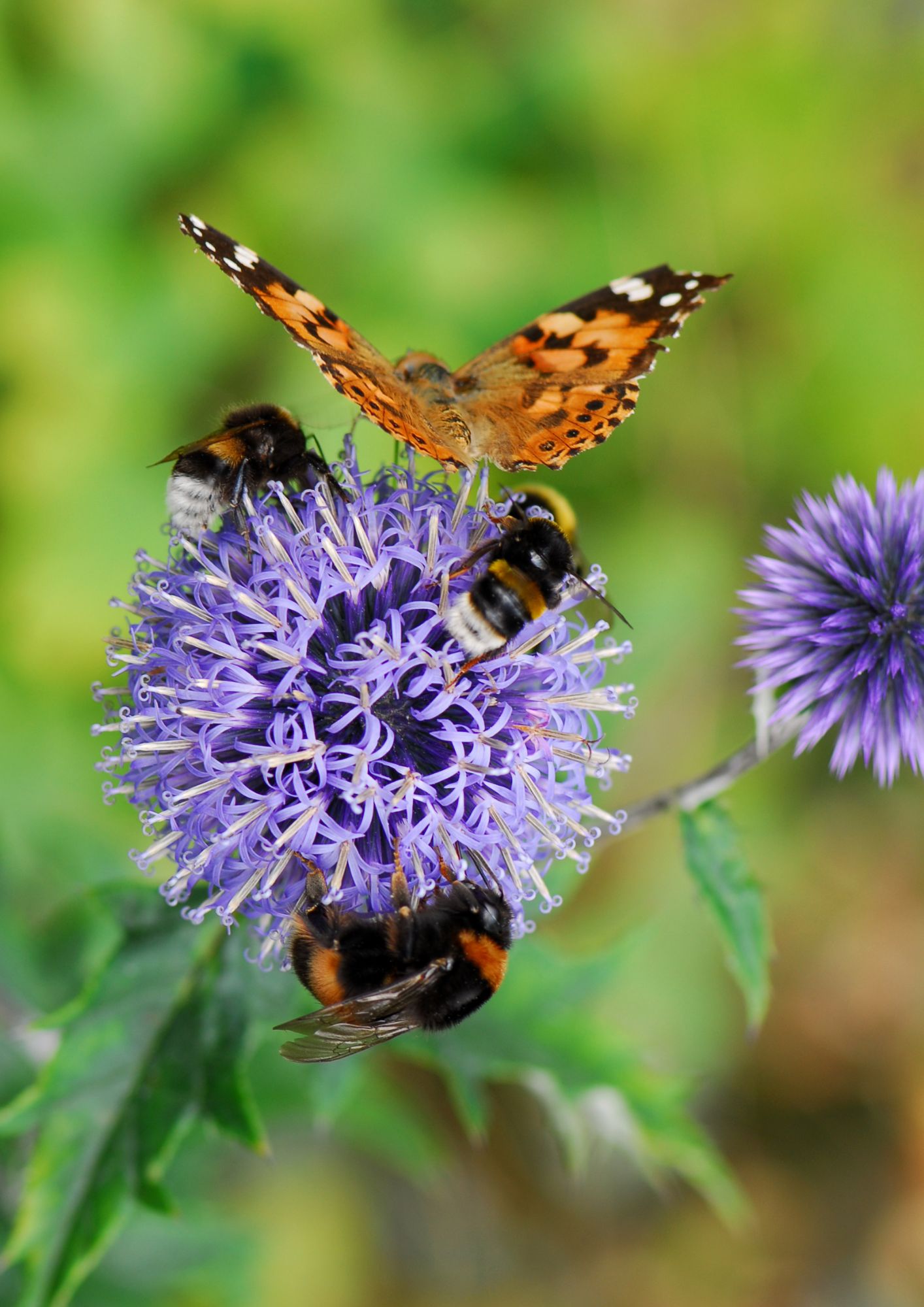
Bees and butterflies play a fundamental role in the pollination of many plant species, supporting the reproduction of fruits and flowers.
Natural pest control
Ladybirds, hedgehogs and insect-eating birds help keep pests such as aphids and caterpillars under control without the need to use harmful pesticides.
A more sustainable garden
The use of native plants and natural shelters reduces the need for fertilisers and watering, making your garden more resilient and easier to maintain.
How to attract wildlife to your garden
Insect hotels: Small shelters with a big impact
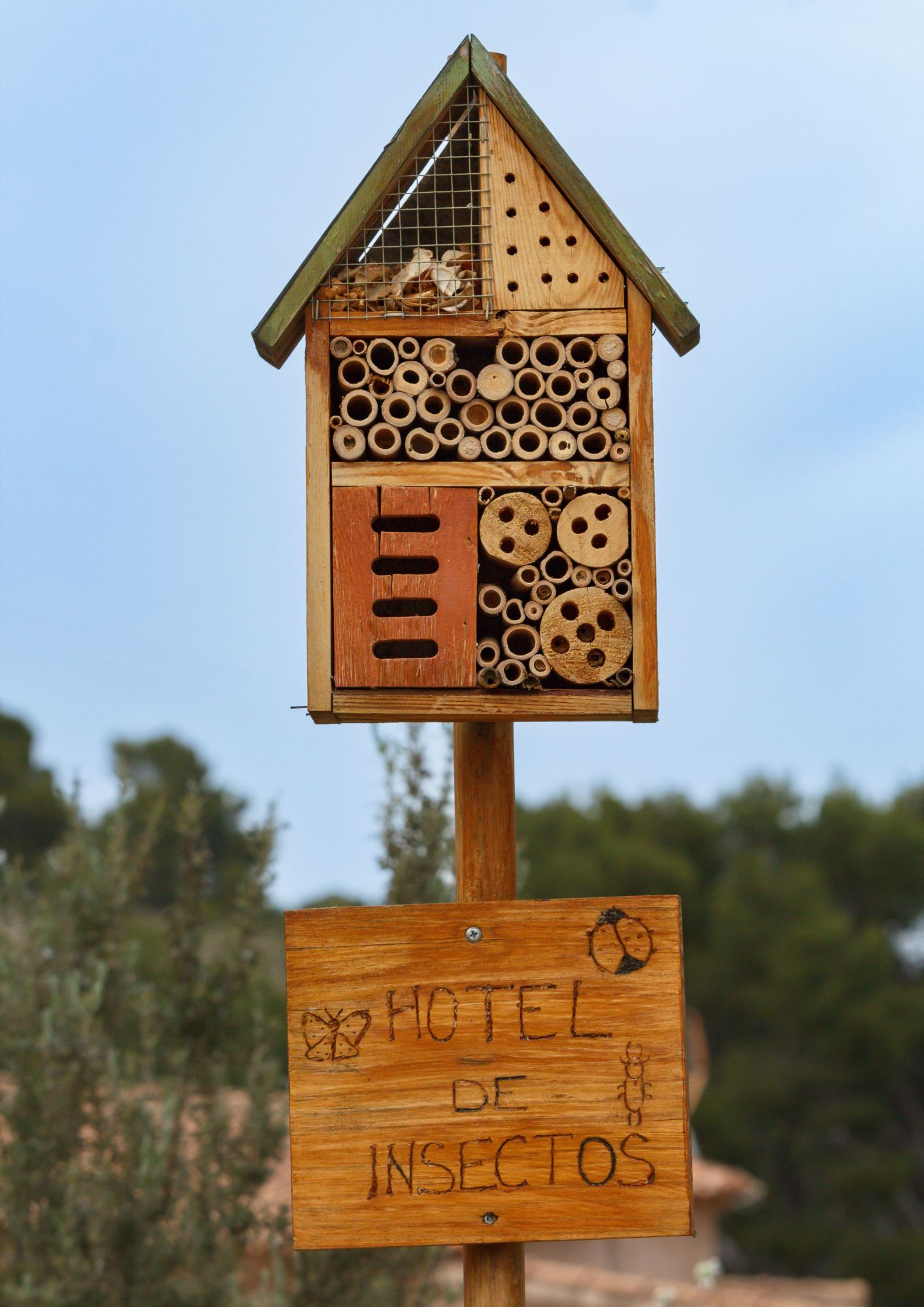
If you want to attract beneficial insects such as solitary bees and ladybirds, insect hotels are an excellent option. These wooden structures provide shelter and a safe place for the reproduction of many key species in ecological balance. You can find them at Eiviss Garden in different sizes and styles.
Tip: Place your insect hotel in a spot protected from rain and with good sun exposure, ideally near plants rich in nectar and pollen.
Plants that promote biodiversity
To attract butterflies, bees and birds to your garden, it is essential to offer them an environment with suitable plants. Some recommended options include:
Plants to attract bees
Lavender
Rosemary
Thyme
Sage
Borage
These aromatic plants are great nectar producers and also bring colour and fragrance to your garden.
Plants for butterflies
Buddleia (Butterfly bush)
Verbena
Echinacea
Lantana
Yarrow
Butterflies prefer flowers rich in nectar and with striking colours.
Plants to attract birds
Strawberry tree
Hawthorn
Ivy
Elder
Pomegranate
These plants produce fruit and berries that serve as food for many bird species.
Tips for creating a biodiverse garden
Avoid pesticides and herbicides
Many chemicals can be harmful to pollinators and other beneficial species. Opt for ecological solutions for pest control.
Create a water source
A small pond, a bird bath or even a container with clean water can attract birds and other animals that need to hydrate.
Add natural shelters
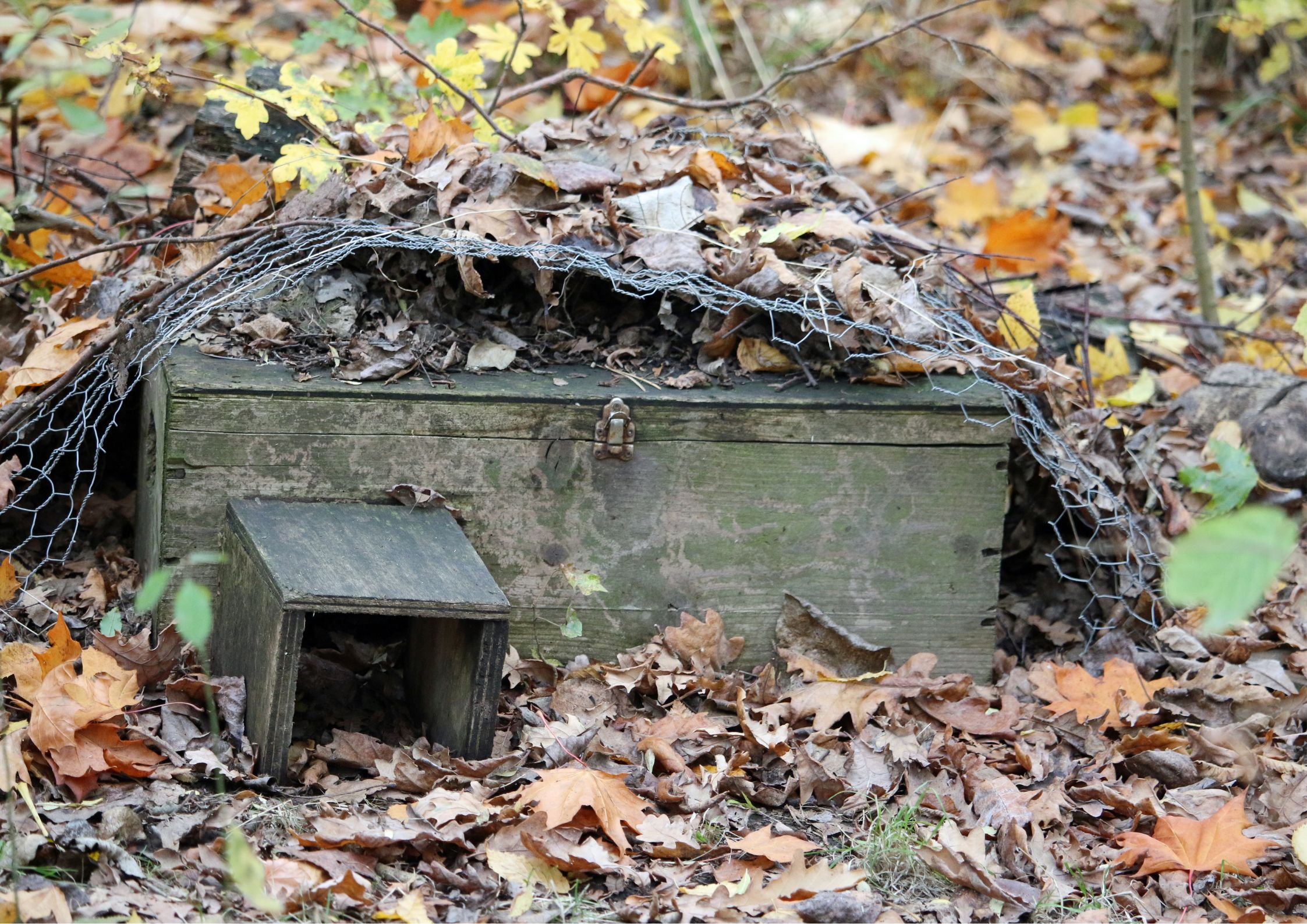
Piles of branches, logs and areas with tall grass can serve as shelter for hedgehogs, reptiles and small insects, encouraging the garden's natural balance.
Let some areas grow naturally
Not all areas of the garden need to be perfectly trimmed. Leaving an area to grow freely can benefit many species and provide them with a suitable habitat.
Find everything you need at Eiviss Garden
At Eiviss Garden, we offer a wide range of products to help you create a biodiverse and sustainable garden:
Insect hotels in different sizes and styles
Bird boxes and feeders
Wildflower seeds and native plants
Eco-friendly pots and growing media
If you need advice on which plants to choose or how to design a wildlife-friendly space, our team is ready to help, happy World Wildlife Day.