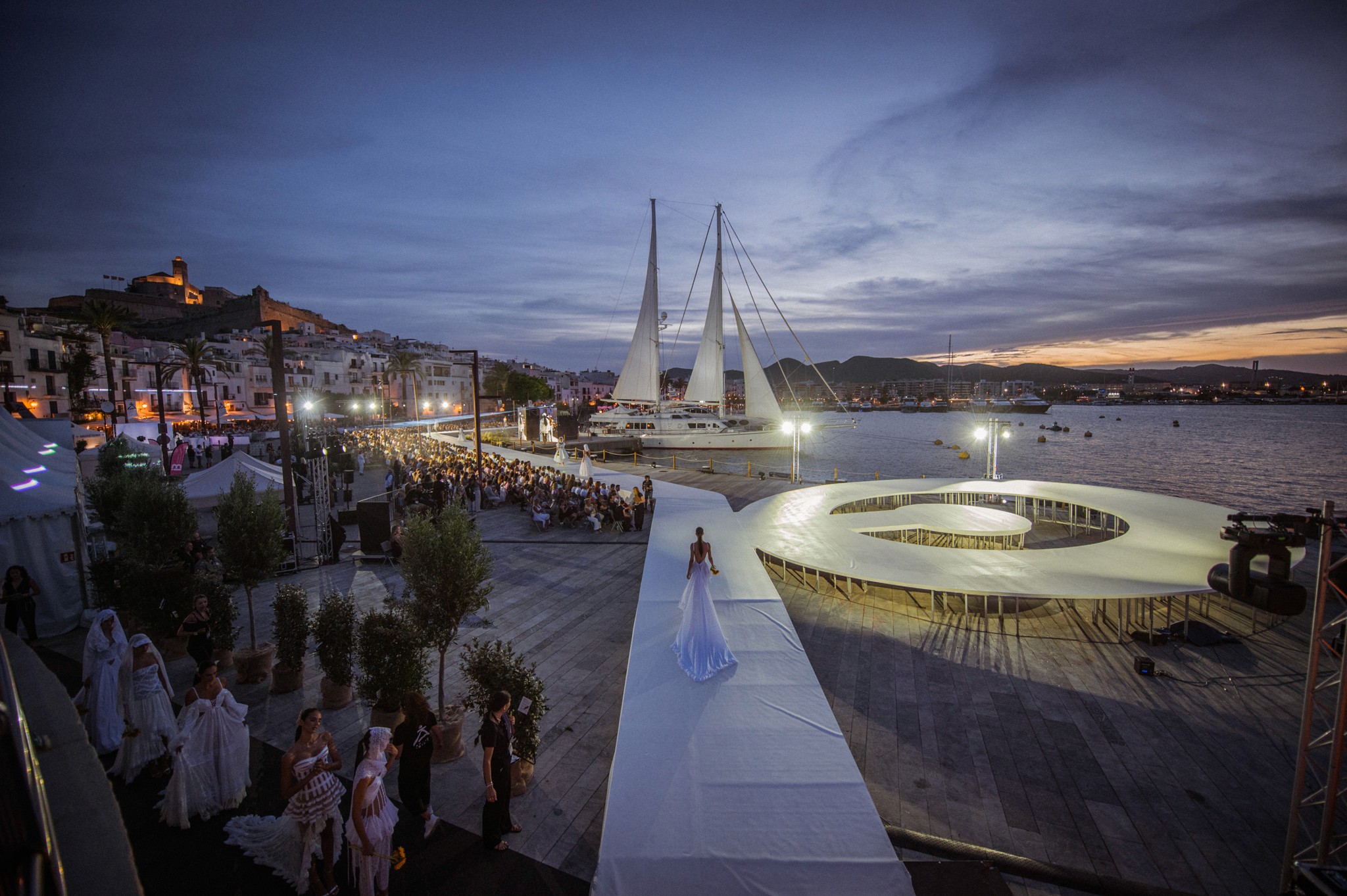
When we admire a floral arrangement at a wedding, in a hotel, or at an event, we usually focus on its beauty. However, few people know that behind every bouquet, every centrepiece, or every botanical installation lies an artistic tradition with over 4,000 years of history.
Floral art did not start as a mere decorative element. For centuries, it has served to express power, spirituality, love, celebration, and social status. Its evolution reflects human history, adapting to each culture, artistic movement, and way of understanding nature.
Today, contemporary floral design combines tradition and innovation, but many of the techniques and principles used by modern florists have their roots in ancient civilisations.
Egypt: where floral design began

Greece: beauty, balance, and symbolism

Rome: luxury filled with flowers
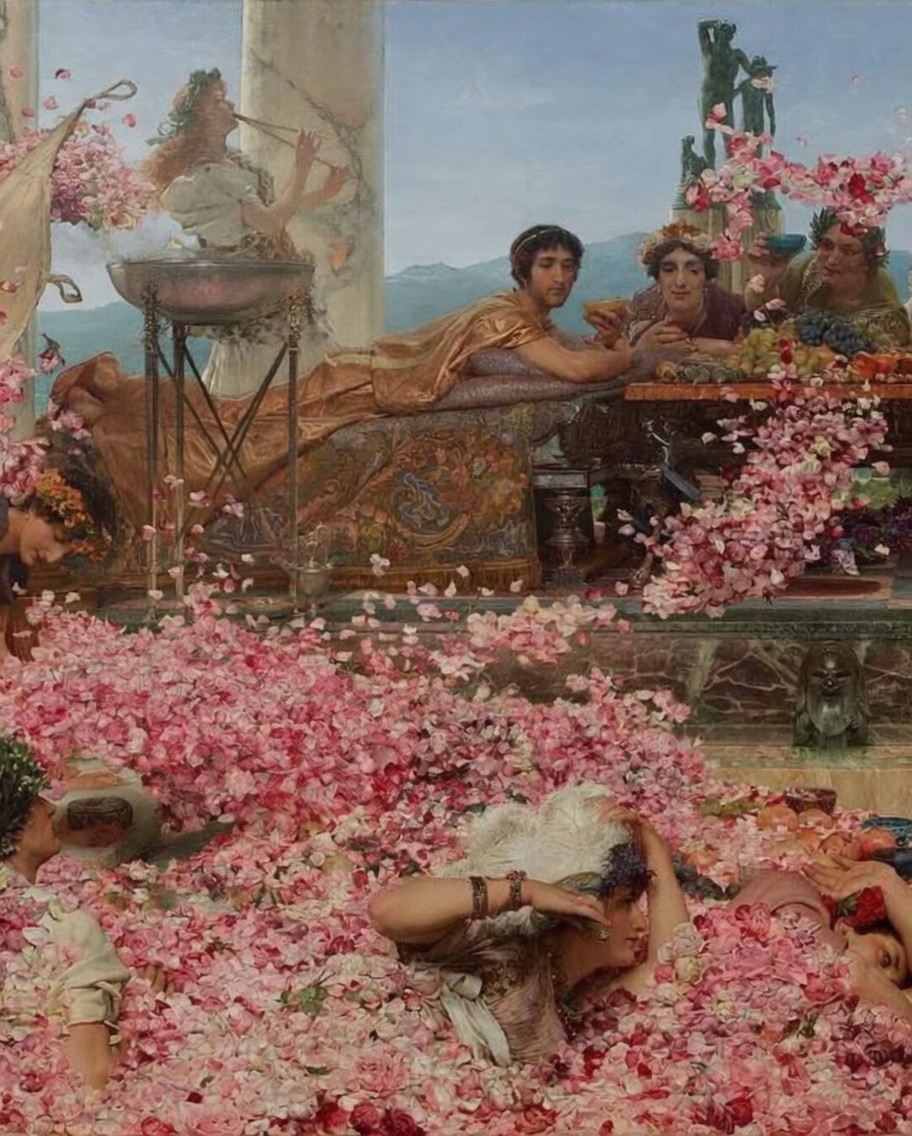
The Romans inherited many Greek customs but took them to a much grander scale.
Floral arrangements became more abundant, sophisticated, and luxurious. Flowers became an essential part of lavish banquets, aristocratic villas, and public celebrations.
They were also one of the first cultures to value scent as part of the sensory experience. It was not just the visual appearance of the flowers that mattered, but also the atmosphere they were able to create.
Byzantium: colour and ornamental richness

The Byzantine Empire brought a new decorative dimension to floral art.
Arrangements incorporated fruits, foliage, and botanical elements, creating much richer visual displays. They also began using colour contrasts and conical designs that conveyed solemnity and balance.
This combination of nature and ornamentation would influence many European styles centuries later.
The Middle Ages: monasteries preserved the knowledge

Although flowers lost their prominence in European civic art during the Middle Ages, they never disappeared.
It was the monasteries that kept the botanical tradition alive by cultivating medicinal and ornamental gardens. Thanks to them, numerous plant species were preserved, which would later inspire Renaissance artists and florists.
Flowers appeared mainly in illuminated manuscripts, tapestries, and monastic gardens, where they symbolised purity, spirituality, and renewal.
The Renaissance: nature inspires art once again
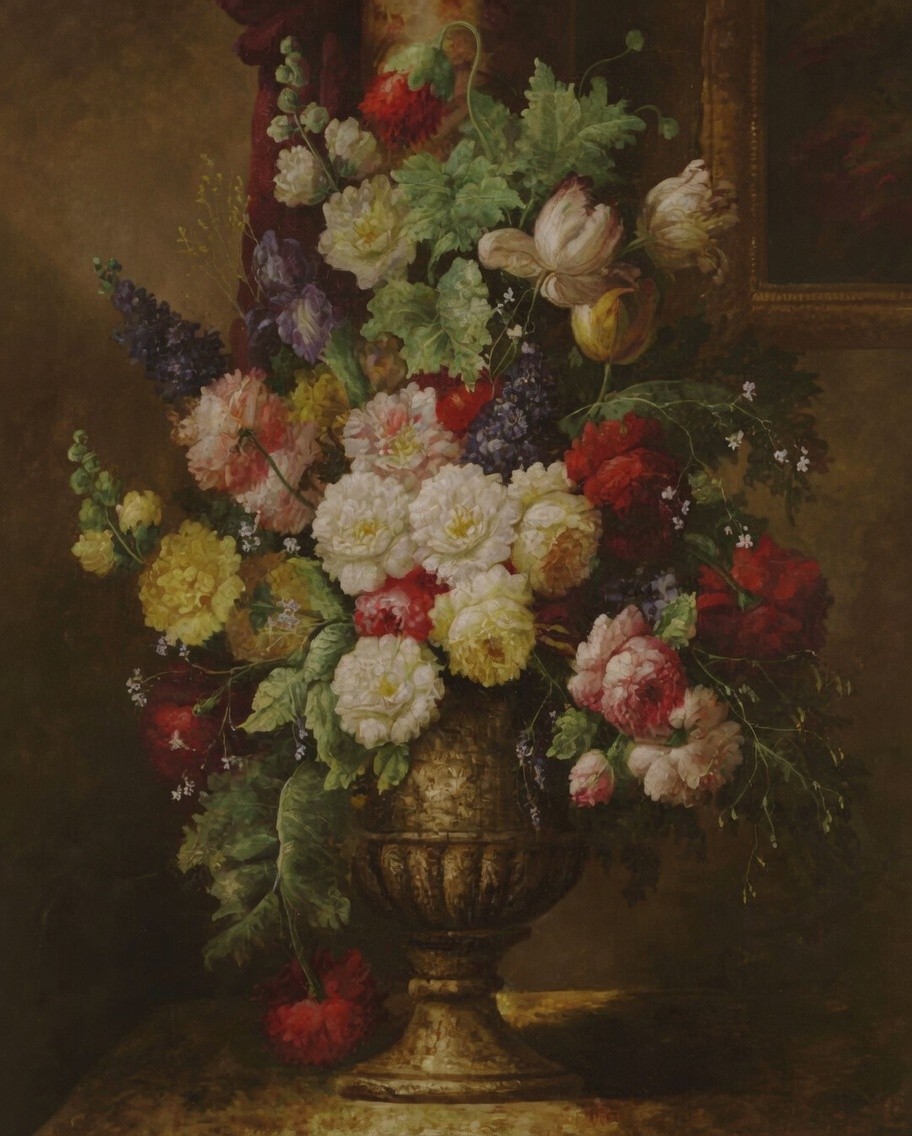
With the Renaissance came a returned fascination with balance, proportion, and natural beauty.
Artists began depicting large vases overflowing with flowers, fruit, and foliage, seeking harmonious arrangements inspired by nature.
Many of the classic designs we still associate with elegance today were born during this period.
The Baroque: drama and abundance
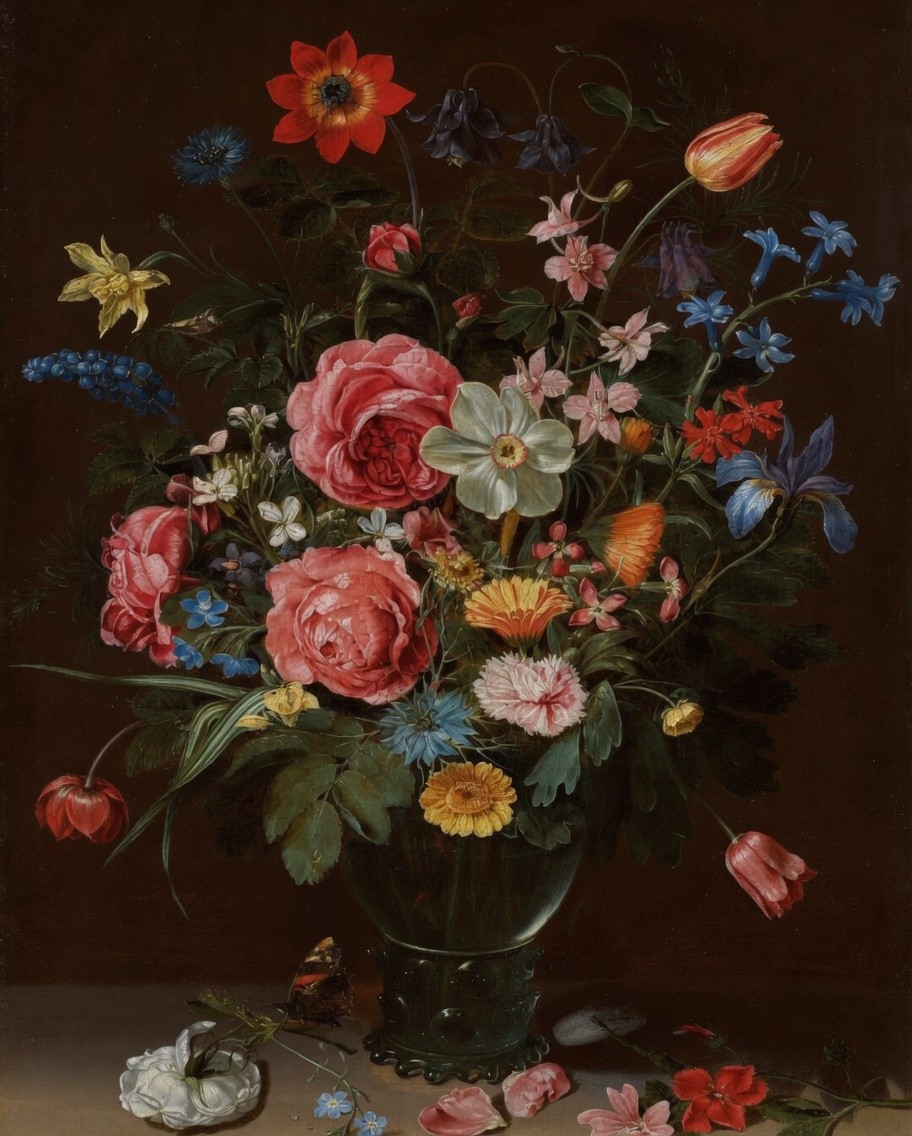
During the 17th and 18th centuries, floral art experienced a true creative revolution.
Flemish painters revolutionised the representation of flowers through still lifes filled with colour, movement, and contrast. Arrangements moved away from perfect symmetry in favour of freer, more theatrical forms.
Flowers of different sizes coexisted with branches, fruit, butterflies, nests, or birds, creating authentic natural scenes.
This artistic spirit continues to inspire many current wedding and event floristry trends.
France and the refinement of Rococo

While the Baroque style favoured dramatic scale, France developed a much more elegant and refined style.
During the Rococo period, arrangements became delicate, light, and curved, tailored to the palatial interiors of the French aristocracy.
Floristry began to be associated with luxury, sophistication, and interior design—a relationship that still endures today.
The Victorian era and the language of flowers

The 19th century marked one of the most important moments for floral design.
Arrangements became exuberant, overflowing with flowers and foliage, while roses took absolute pride of place.
But perhaps its greatest contribution was the birth of floriography, the so-called "language of flowers".
Each species conveyed a different message: love, friendship, hope, fidelity, or gratitude. In an era when expressing feelings openly was not always possible, giving flowers became a powerful way to communicate.
We still retain part of that symbolism today when choosing specific flowers for weddings, anniversaries, or special celebrations.
Contemporary floral design
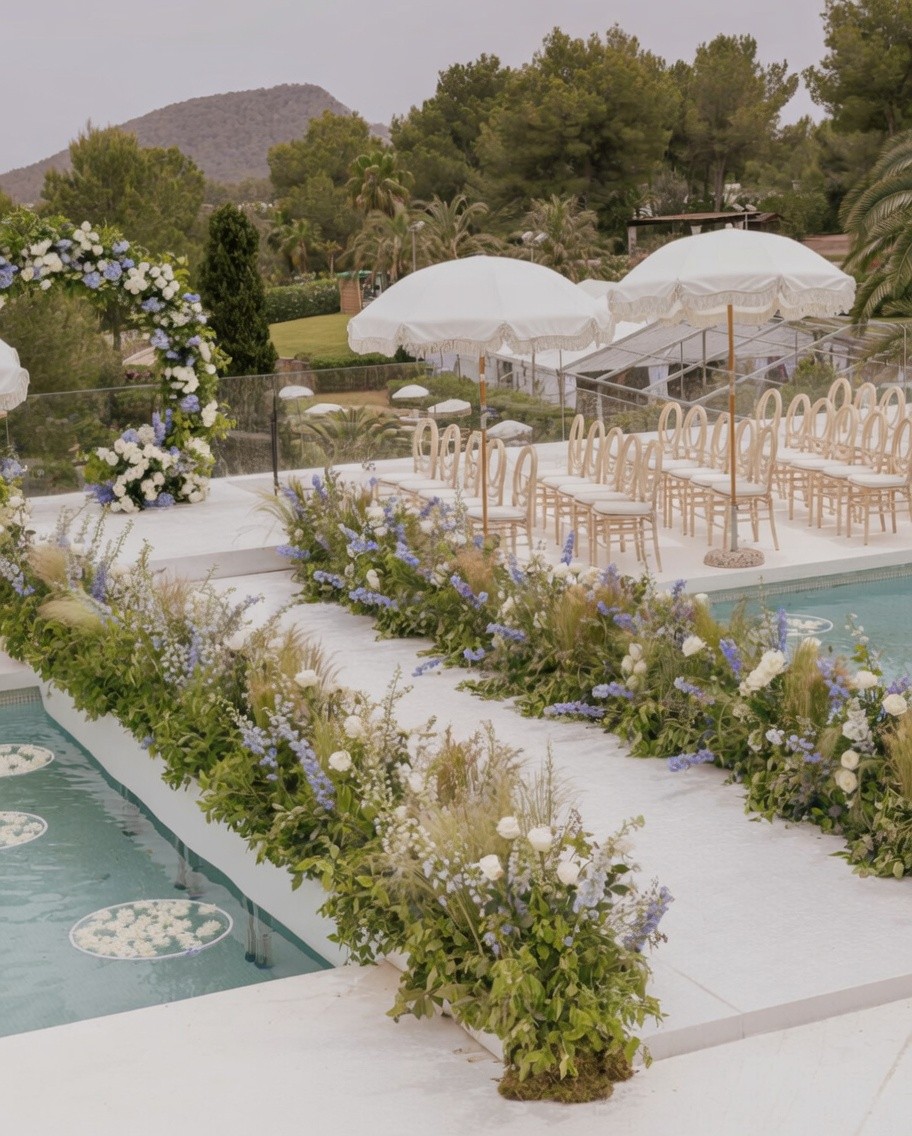
Today, floral art is experiencing one of its most creative periods yet.
Florists no longer work solely with bouquets or classic centrepieces. They design botanical installations, plant sculptures, floral ceilings, architectural structures, and immersive displays that completely transform a space.
Current trends combine sustainability, design, architecture, botany, and emotion.
Flowers have become a storytelling tool, a way to reinforce a brand's identity, or to create unforgettable memories at a wedding or event.
At Eiviss Garden, we understand floral art as a way to inspire emotion
Every arrangement we design is the result of centuries of artistic evolution.
We are inspired by the harmony of Greece, the exuberance of the Baroque, French delicacy, and the freedom of contemporary design to create spaces where flowers do not just decorate: they tell stories, evoke emotions, and create lasting memories.
Because we believe that good floral design does not follow passing trends. It draws on history, interprets the present, and creates experiences that linger in the memory long after the flowers have faded.