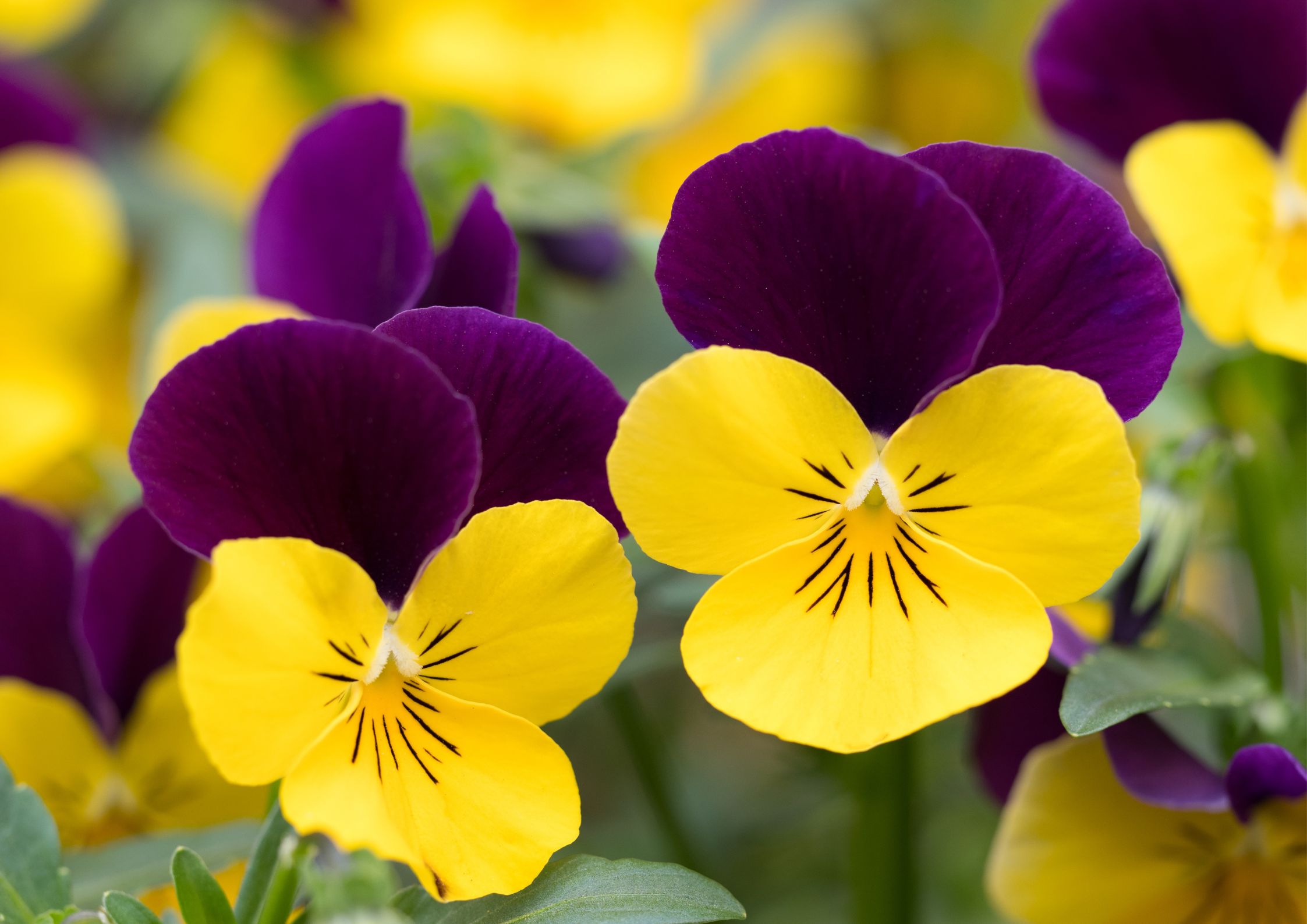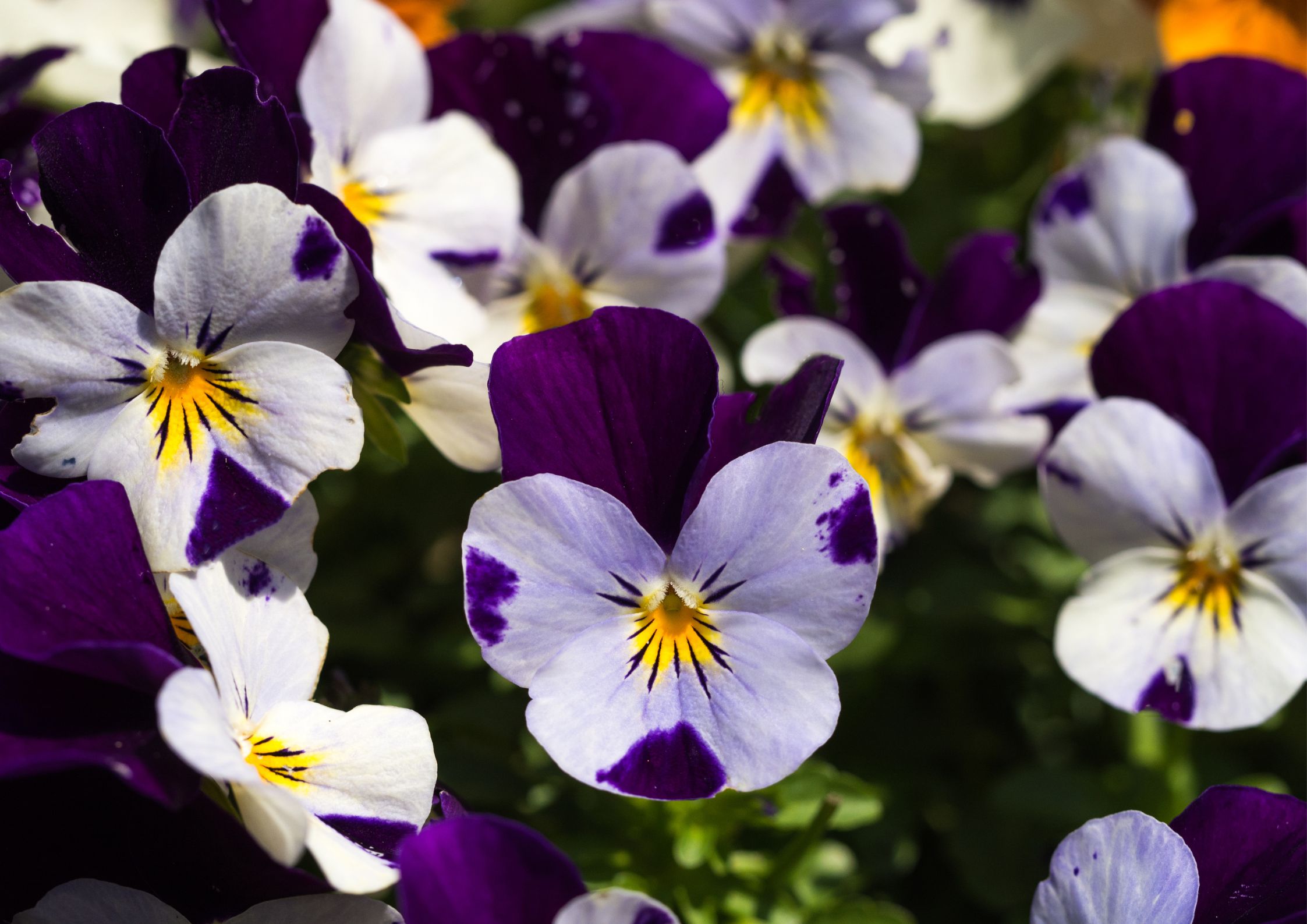
The pansy has been an emblematic plant in the botanical world for generations. If you are looking to understand more about pansies: characteristics and care, you are in the right place. This floral gem, with its wide range of colours and resilience, is a favourite choice for those who want to add a touch of beauty to their gardens or terraces. In this complete guide, you will not only discover the qualities that make this plant special, but also how to care for it properly, with particular attention to the conditions in Ibiza.
General characteristics of Pansies
The pansy, scientifically known as Viola, is a genus that includes around 500 species of herbaceous plants. Its flowers can be a single colour or a mix of shades, and they often present a pleasing contrast with the green of their leaves. This plant is appreciated not only for its beauty, but also for its resistance to cold temperatures, which makes it ideal for gardens that experience cool winters.
Featured varieties
1. Delta Pansies: it is one of the most popular varieties. Its name evokes the idea of diversity, and rightly so. These flowers dazzle with an extensive colour palette that ranges from soft, pastel shades to more vibrant and bold colours. The Delta's cold hardiness allows them to bloom even in the most challenging conditions, helping the garden retain its splendour even on the coldest days.
2. Dew Pansies: Although their flowers are smaller than those of other varieties, this is offset by the abundance of buds that adorn the plant. This quality gives them a fresh and delicate appearance. They are ideal for those seeking a more subtle aesthetic and wanting to enjoy a dense, continuous bloom.
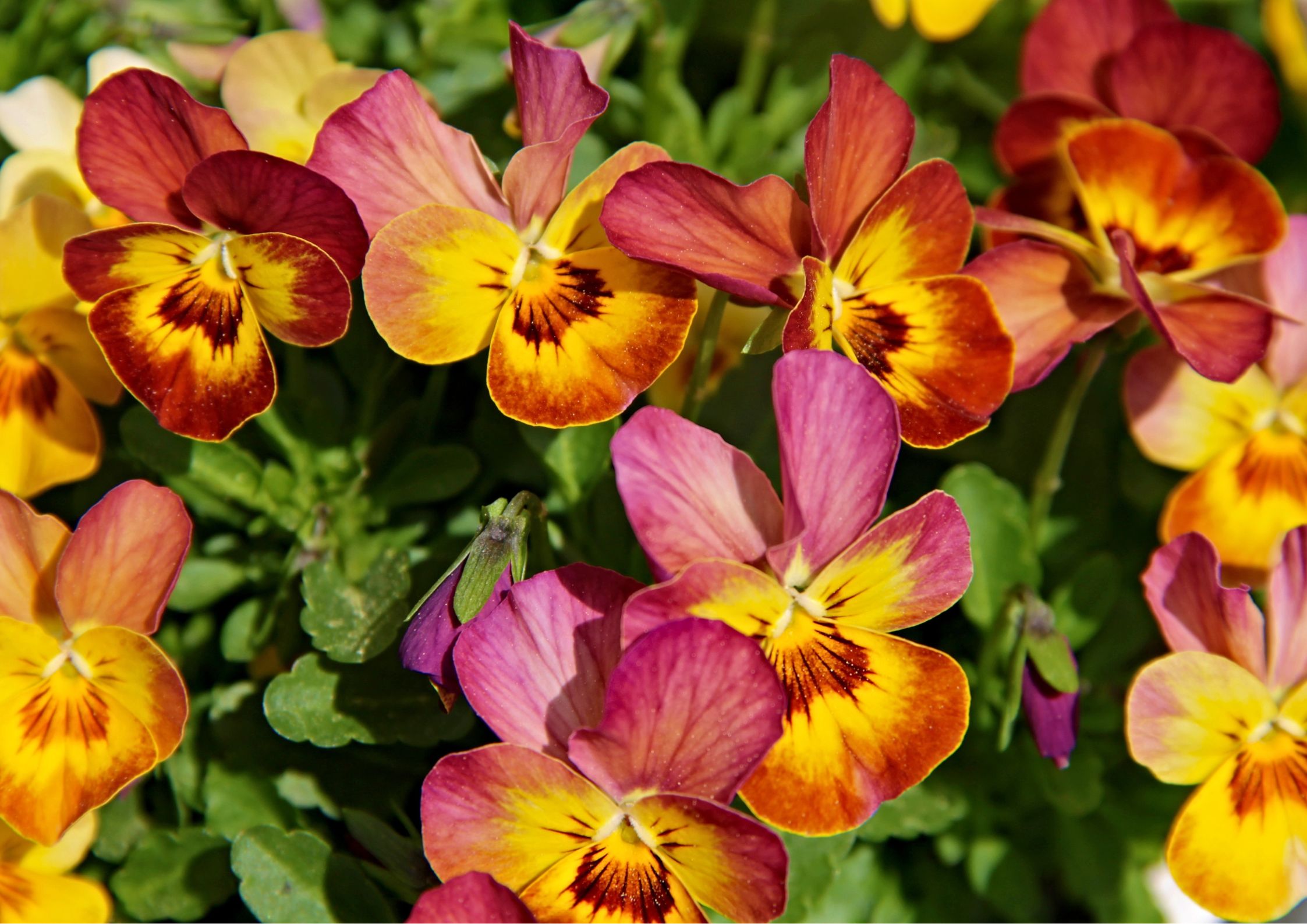
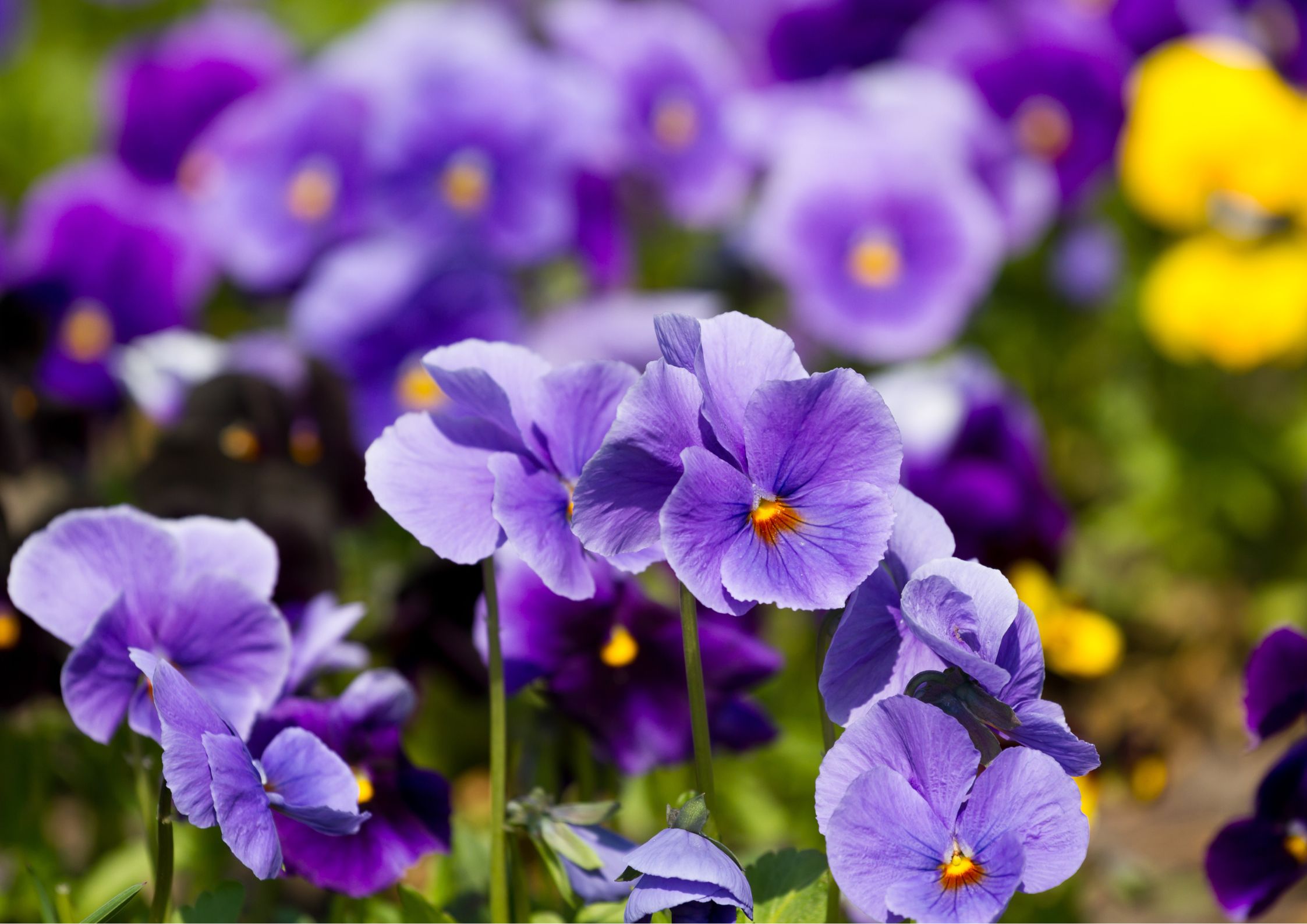
3. Pensamientos Joker: This variety stands out for the boldness of its designs and the blend of colours in its petals. When you observe them, it is common to find striking contrasts that bring to mind a jester's mask or the vibrant outfits of a joker. These patterns, which often seem hand-painted, make each flower a small work of art.
Caring for Pansies
Light
Pansies are lovers of the sun. These plants develop best when exposed to direct sunlight, especially during the early hours of the day. However, they are also versatile enough to adapt to partial shade, particularly in areas where the afternoon sun can be too intense. If you decide to grow your pansies in pots, consider moving them occasionally to ensure they receive the right amount of light.
Watering
Water is essential for pansies, but it is crucial to avoid overwatering. These flowers thrive in soils that retain moisture while also offering good drainage. It is vital to make sure the soil is moist, but not saturated. Waterlogging can be harmful to pansies, as it can lead to fungal growth and other diseases. If you are growing your flowers in pots, make sure they have adequate drainage holes. A good method is to water deeply and then allow the soil to dry slightly between waterings. This helps prevent root rot.
Temperature
The ideal daytime temperature for pansies ranges between 15°C and 18°C, and at night they feel comfortable in temperatures ranging between 4°C and 10°C. These flowers prefer cooler climates and are often planted in autumn or the beginning of spring in many regions.
Fertilisation
Feeding your pansies is an essential part of their care, especially during their flowering period, when they require additional nutrients to maintain their vibrant colours and overall health. It is recommended to use a liquid fertiliser, diluted according to the instructions on the packaging, and apply it every two weeks. This fertilisation routine will provide the plants with the essential nutrients they need to bloom at their best. It is vital not to over-fertilise, as too much fertiliser can be counterproductive and damage the plants.
Dormant period
Pansies, like many other plants, have a dormant period. This period generally occurs during the hottest months of summer. During this phase, the plants reduce their active growth and conserve energy. You may notice that flowering decreases or even stops completely during these months.