At Eiviss Garden, we always keep up with the latest trends in the world of gardening, and 2024 is no exception. This year, the focus is on resilience and creativity, two essential qualities for both gardeners and their plants, especially in a context shaped by climate change and the need to adapt.
1. Edible and ornamental gardens
"Edimentals" represent one of the most exciting trends for 2024. This term, coined by Norwegian writer Stephen Barstow, brings together the best of two worlds: plants that are both edible and ornamental. These not only serve an aesthetic purpose in the garden but also provide us with fresh food, creating a truly multifunctional space.
These are usually plants that live for more than a year, including perennials, shrubs and even trees. What makes them particularly appealing is their ability to integrate design elements such as colour, texture and form into a traditional vegetable garden. This combination not only enriches the garden's biodiversity but also enhances its beauty, creating a landscape that delights both the palate and the eye.
Why incorporate edimentals into your garden?
Reduced maintenance: Edimental plants usually require less care than traditional annual vegetables. Their production throughout the year reduces the need for concentrated sowing and harvesting, simplifying garden management.
Hardier plants: As perennials, shrubs or trees, edimentals have deeper roots, making them more drought-resistant and better prepared to withstand occasional pest infestations. This natural strength is an added value, especially in areas prone to adverse weather conditions such as Ibiza.
Fun for children: The presence of edimentals throughout the garden attracts little ones, inviting them to explore and forage. This interaction is not only educational but also encourages an early connection with nature.
Examples of edimentals
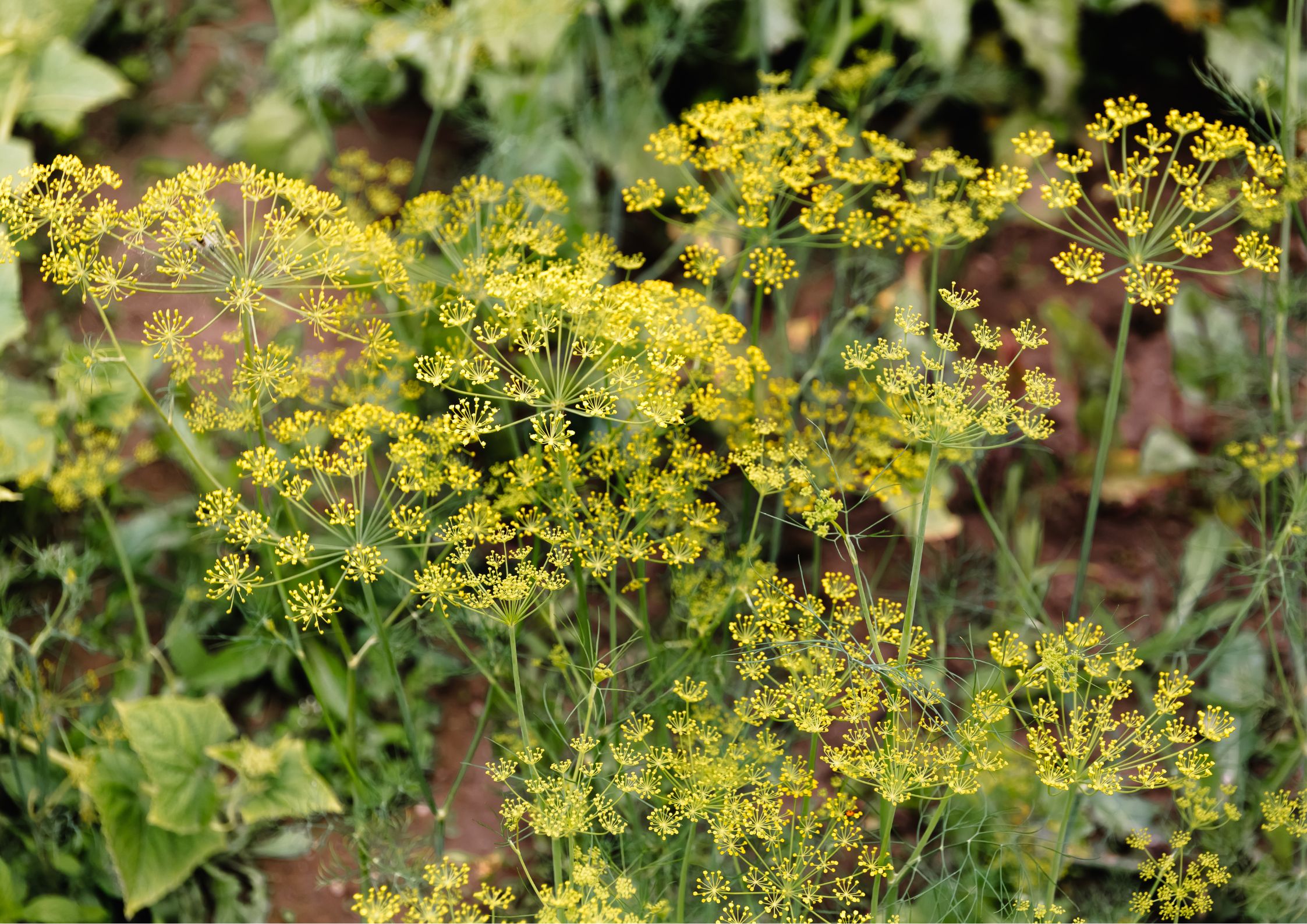
Among the most notable edimentals we find dahlias and daylilies (both the flowers and tubers are edible), anchusa and chicory flowers, currants and gooseberries, silene flowers (excellent for adding volume in containers), elderberries, asparagus and fennel. These plants not only provide food but also bring beauty to the garden with their vibrant colours and varied textures.
We must not forget annual edimentals, such as rainbow chard, kale and nasturtiums (their flowers can be filled with cream cheese to create delicious bite-sized treats with a peppery kick). These plants integrate perfectly with non-edible ones, offering a visual spectacle while providing fresh ingredients for the kitchen.
2. Naturalistic planting and the New Perennials movement
Naturalistic planting and the New Perennials movement represent a revolution in garden design that seeks to harmonise our green spaces with the natural environment. Originating in the Netherlands in the early 1980s, this movement has gained global popularity thanks to its sustainable and aesthetically appealing approach, which aligns perfectly with 2024 gardening trends.
The essence of the New Perennials movement
The New Perennials movement promotes a wilder, less structured garden aesthetic, one that is inspired directly by nature. Instead of neat rows of plants or symmetrical designs, this trend favours the creation of "drifts" or fluid groups of plants and grasses, mainly native species, that appear to have self-seeded naturally. This approach not only creates a visually striking effect but also supports local biodiversity, attracting pollinators and wildlife to the garden.
3. Rain gardens: every drop counts
Eco-friendly rain gardens emerge as innovative solutions to today’s environmental challenges, especially in areas prone to drought and inefficient rainwater management. By transforming areas that naturally collect water during rainfall, such as shady spaces beside driveways, into lush, beautiful landscapes, they not only capture wasted water but also help reduce pollutants flowing from roofs and pavements into drainage systems.
The design of these gardens focuses on plants capable of withstanding extreme moisture variations, including native species, grasses and sedges, which, thanks to their deep roots, not only stabilise the soil and prevent erosion, but also filter impurities from the water.
In addition, rain gardens encourage local biodiversity and provide valuable habitats for wildlife, including pollinators and birds.
This sustainable, mindful approach to garden design reflects a harmony with the natural water cycle, promoting practices that benefit both our immediate surroundings and the planet as a whole. By implementing rain gardens, we not only enhance our spaces but also take a step towards building more resilient communities that are more environmentally responsible.
4. Learning to love insects
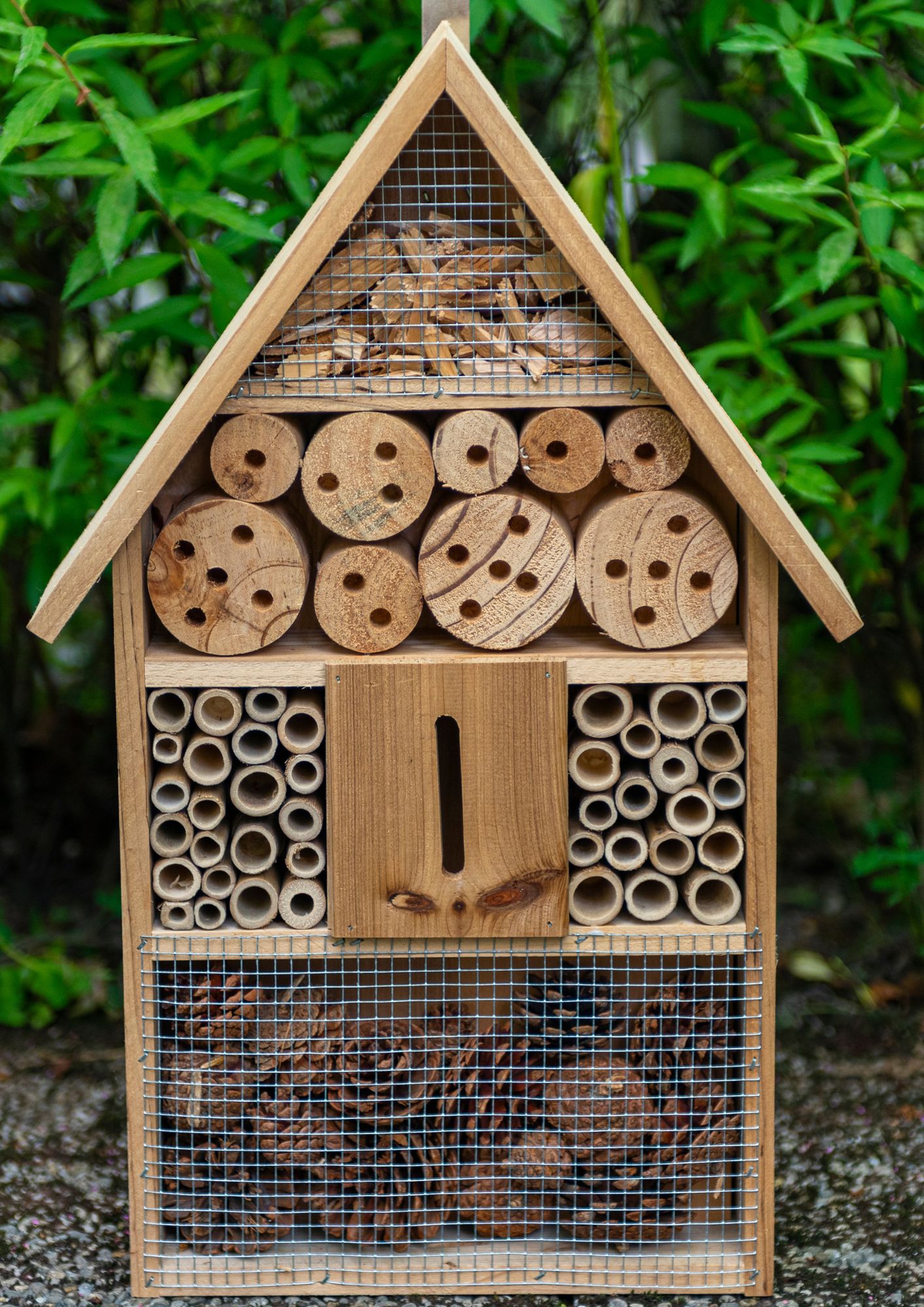
Insects are fundamental to the balance and health of our gardens and plants, playing essential roles that we often overlook. They act as pollinators, without which many of our fruit plants, vegetables and flowers could not reproduce or thrive.
In addition, they are key players in biological control, keeping pest populations in check through a natural balance. Insects also contribute to the decomposition of organic matter, enriching the soil and improving its structure. Recognising and valuing the importance of these small living beings is a step towards more sustainable and environmentally friendly gardening practices, promoting biodiversity and the resilience of our green spaces.
5. Adapting to climate change
In a world where the climate is changing at an unprecedented pace, our gardens become witnesses and victims of these fluctuations, facing hotter, colder, wetter or drier seasons. This reality forces us to rethink how we conceive and care for our green spaces. However, far from being a choice between aesthetics and sustainability, this situation presents us with the opportunity to innovate and adapt our gardening practices.
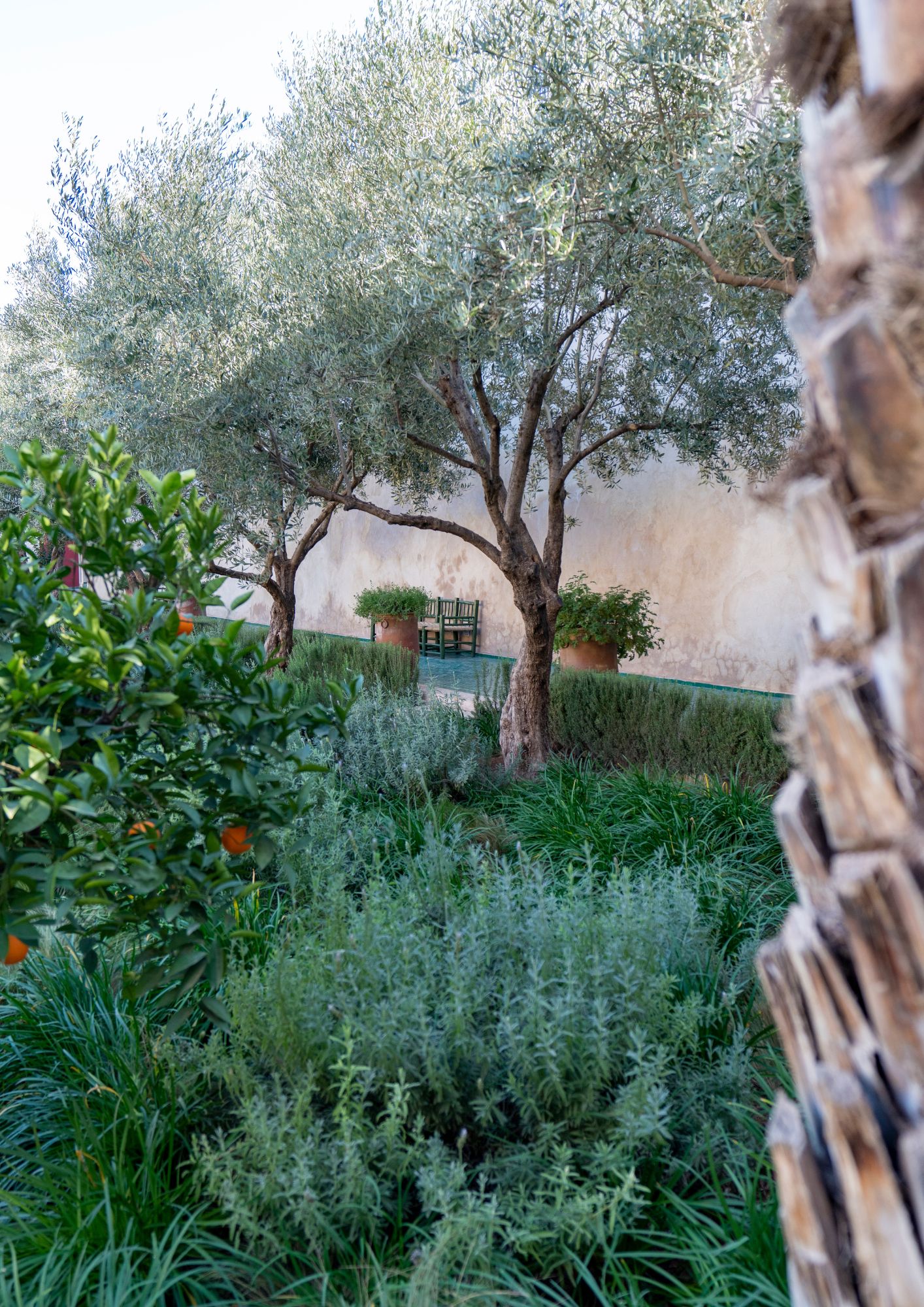
Choosing drought-resistant plants such as rosemary, lavender or aloes is not only an adaptation measure, but also a step towards creating gardens that require fewer water resources. At the same time, focusing on native plants and gardening practices that promote biodiversity and the production of organic food allows us to build spaces that not only survive, but thrive in these changing conditions
6. Gravel gardens: beauty and low maintenance