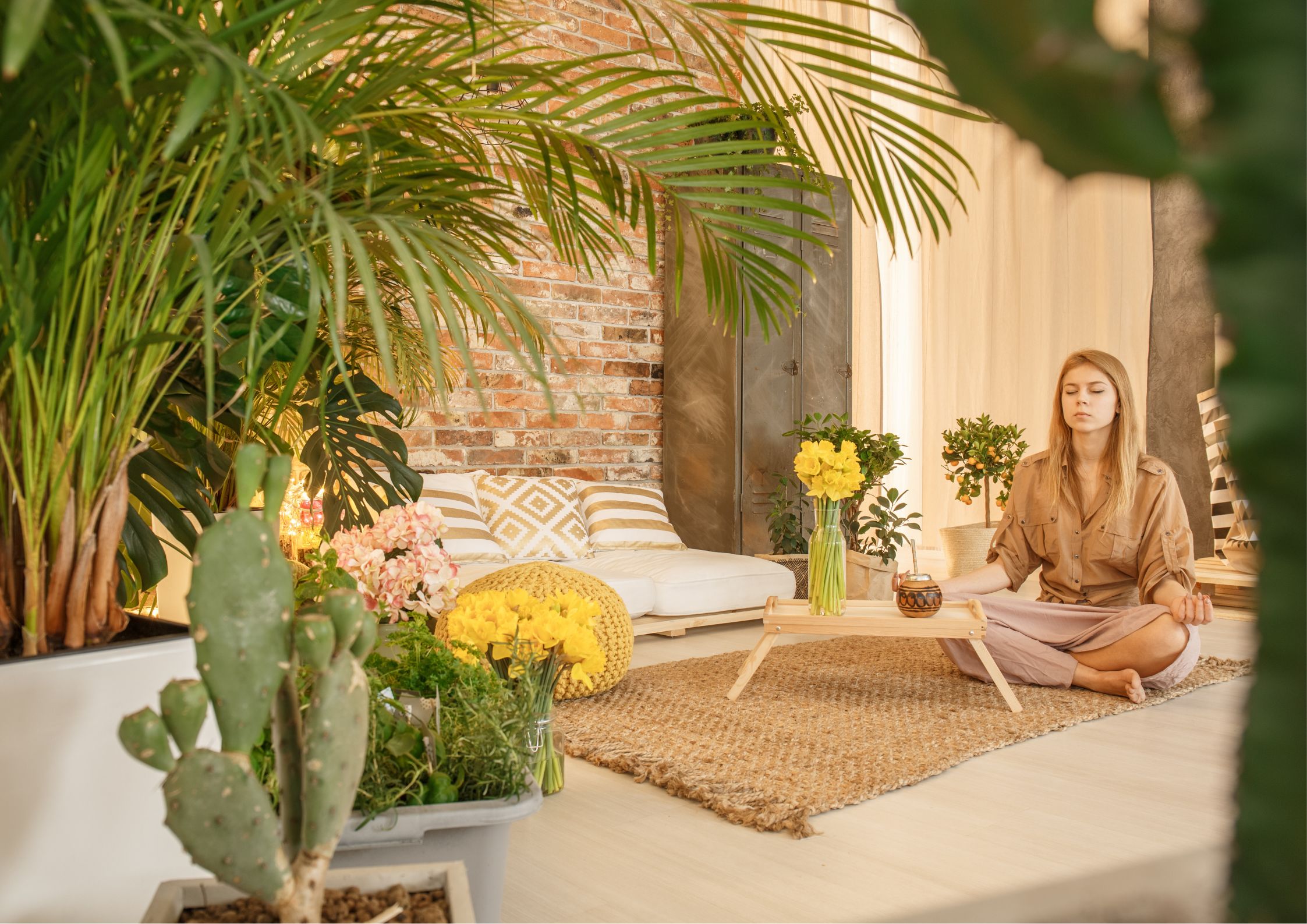
Many of our customers are not aware of the benefits plants can have for mental health. They can brighten your day on a special occasion, cheer you up when you're feeling down, or make a dull, gloomy room much more inviting.
But what do flowers and plants have to do with our good mood? And do they really have such an influence on your mental health?
Today, 10 October, and in honour of World Mental Health Day, we’re putting some facts on the table from different studies that confirm that the presence of plants and flowers at home improves our mental wellbeing.
1. Flowers can help reduce anxiety
Stress and anxiety are part of everyday life. According to the World Health Organization, 6.7% of the Spanish population suffers from anxiety, exactly the same number of people as those living with depression. While there are many things that can be done to manage mental health, flowers can help restore calm in the short term.
A 2009 study found that hospital patients with flowers in their room felt less anxious. They were also more positive about their recovery and needed less post-operative care than patients without plants.
Before showing up beside your loved one’s bed with a huge bouquet, it’s worth noting that many hospitals do not allow flowers in wards. This is due to issues such as mould, hay fever and lack of space.
However, nothing stops you from filling your home and garden with beautiful flowers to lift your spirits.
2. Some flowers can help you sleep
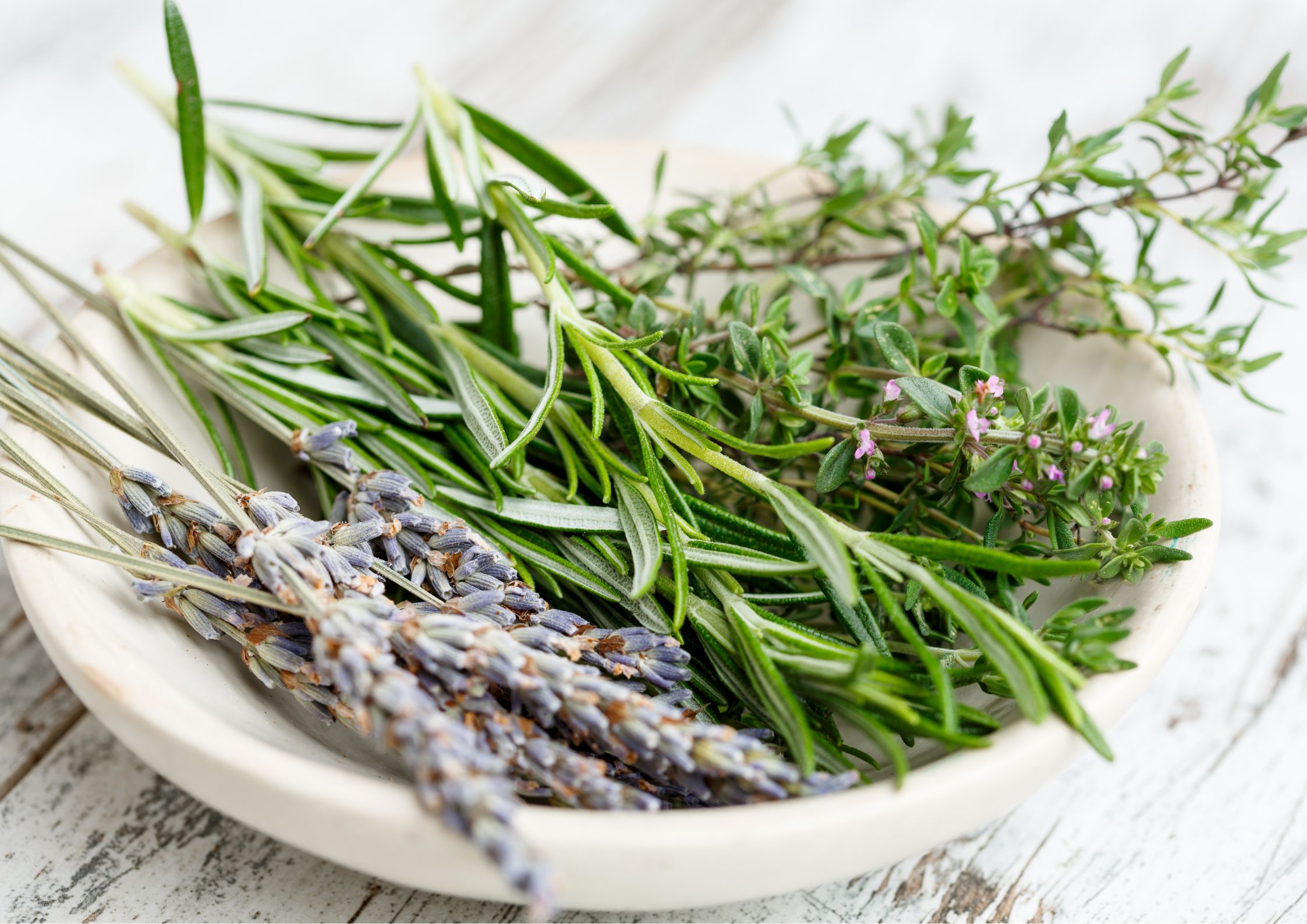
Getting a good night’s sleep is very important. When it comes to rest, we’ll focus on one flower in particular. It has been proven that the scent of lavender lowers heart rate and blood pressure, which helps you relax. The more relaxed you are, the more likely you are to drift off into restorative sleep.
Obviously, lavender cannot cure insomnia on its own, but it can certainly help as part of your bedtime routine. Other flowers and herbs such as lemon balm, linden, chamomile or valerian tea are very soothing.
3. Flowers can improve your memory
Specifically, rosemary can sharpen your ability to remember.
In 2016, researchers carried out a very interesting experiment, in which participants entered one of three rooms and completed a memory test. One room smelled of rosemary, another of lavender and the third had no specific scent.
Each participant had to look at a series of objects hidden around the room and remember them for later. The project tested the impact of different scents on "prospective memory", in other words, how well you remember to remember.
People in the rosemary-scented room scored highest on this test. The lavender room scored significantly lower, presumably because people there were too relaxed and sleepy to keep up with everything!
4. Flowers can change your emotions through colour
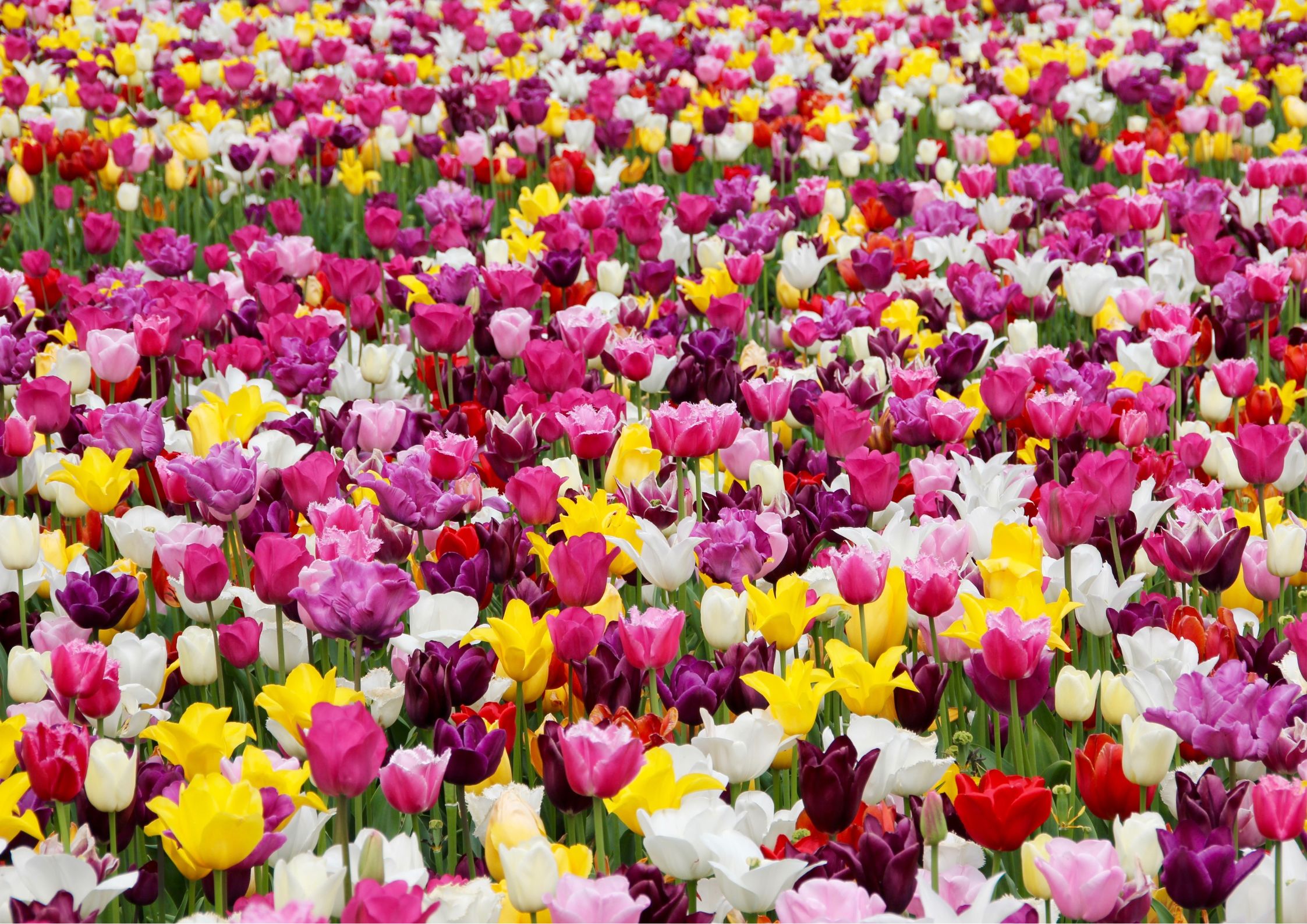
We all associate colours with different moods. Red can mean love, anger or danger. Yellow is generally associated with happiness and sunshine. Blue can mean calm or sadness. Green is linked to security or hope, which could explain why having lots of leafy plants around creates such a cosy atmosphere.
On top of that, each of us has our own personal associations with colours, which can bring a happy or sad memory to mind and influence our reactions.
Suddenly, choosing the colour of your flowers becomes a more important decision than you thought! Of course, it is also a great opportunity to create a particular emotion or feeling in the person who will receive the flowers.
5. Flowers can make you more productive
It has been shown that decorating offices with plants boosts brain performance and encourages creativity.
Minimalist offices may look impressive to people visiting them, but they offer no visual stimulation for those who have to spend the whole day there, which could have an impact on productivity.
And it is not just workers. Studies have also shown that placing plants in study rooms and conference rooms increases attendance. It turns out that having plants around can make you happier and more attentive, wherever you are!
6. Gardening and your mental health
Why wait for someone to give you flowers when you can grow them yourself? We know flowers can make you feel great, and there is also evidence that gardening itself can be good for your mental health.
Digging, planting and pruning provide fresh air and a sense of achievement that comforts us. It is an activity that requires creativity and concentration, both beneficial for our brains.
Some people find value in having something to care for that depends on them to survive. Gardening is also an activity that can be done as a group, such as looking after a community garden, and spending time with friends and family is a sure way to improve your mood.