November arrives with the return of the wind, the first chilly nights and a garden beginning to slow its pace. After the heavy rains of recent weeks —typical of Mediterranean cold drops—, it is now time to protect, strengthen and prepare our plants for winter. Although nature begins its seasonal pause, at Eiviss Garden we know there is still plenty to do. Here we share essential November gardening tips and tasks to keep your garden, terrace and vegetable patch healthy and full of life this month.
1. Fertilising: nutrition for your plants
In November, our plants can still benefit from one last boost of nutrients to help them withstand the coldest months. Fertilisers should be chosen carefully, taking into account the particular weather conditions and the specific needs of the soil and vegetation in this region.
Types of fertiliser to consider in the Mediterranean climate:
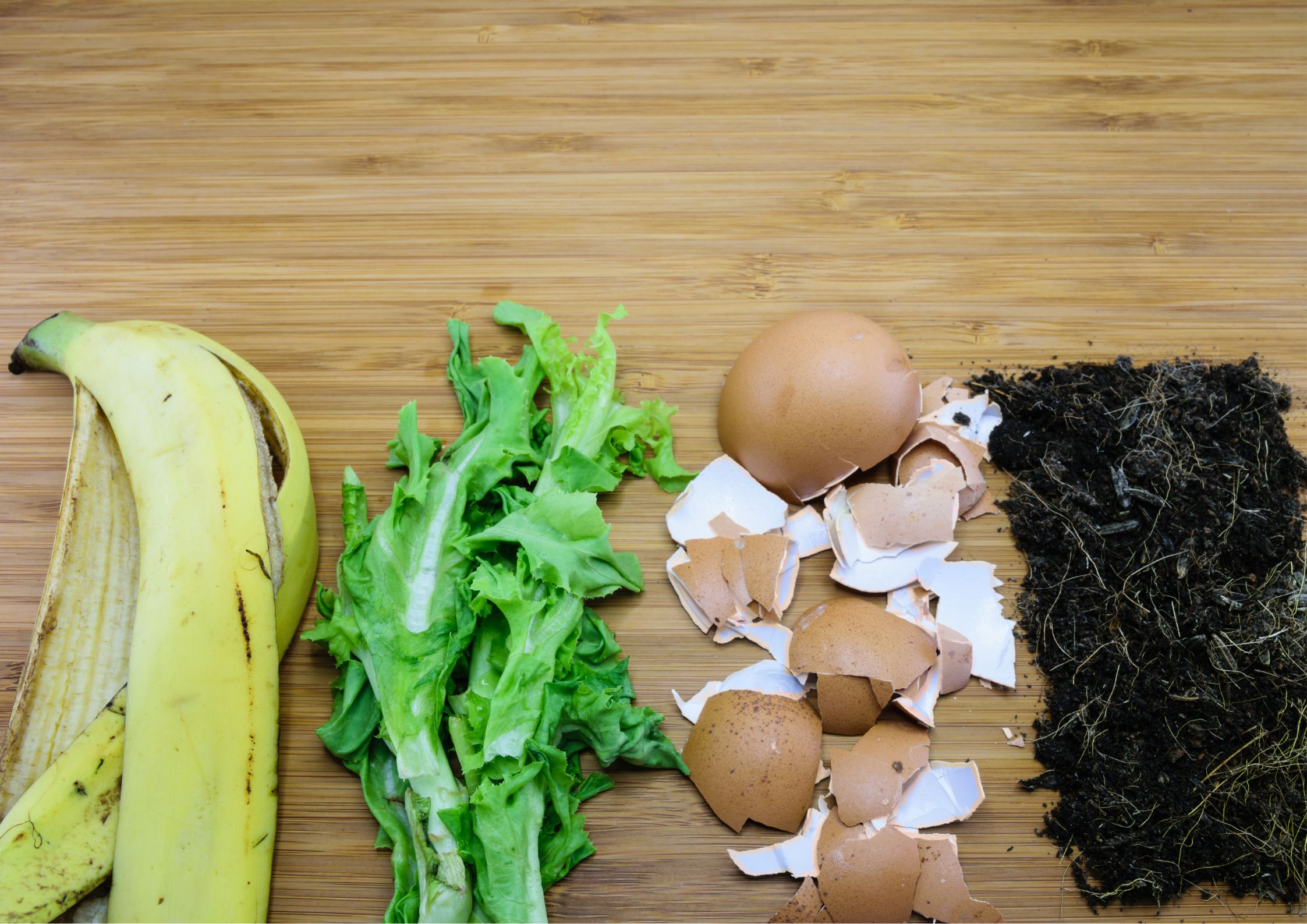
Organic fertiliser: Organic matter such as compost is vital for improving soil structure, which can be affected by the sporadic November rains. In addition, worm castings are an excellent conditioner for typical Mediterranean soil, which is often stony and calcareous.
Slow-release fertiliser: Fertilisers such as guano or slow-release granular fertilisers are perfect for this time of year, providing balanced nutrition that supports plants through the colder months.
Green manure: Incorporating plants as green manure —such as legumes that fix nitrogen— can be an excellent strategy for preparing vegetable gardens for spring.
Tips for fertilising in November in the Mediterranean region
Moderation and precision: As plants grow more slowly in winter, it is important not to over-fertilise. Use fertilisers rich in potassium to increase cold resistance and limit nitrogen, which stimulates growth that is not desirable at this time of year.
Watering and fertilising: Although November can bring rain, make sure your plants are properly watered before applying fertiliser, especially in areas where rainfall is irregular.
Native and adapted plants: Opt for organic fertilisers for plants native to and adapted to the Mediterranean climate, such as olive trees, lavender and rosemary, which require fewer nutrients and benefit from a more natural, less intensive feed.
Last fertilising of the year: This month is generally the last opportunity to fertilise before growth comes to a complete stop with the arrival of winter. Make sure you do it at the beginning of the month so the plants can make the most of the nutrients.
2. Planting: renewal and freshness
November invites us to renew and refresh our gardens with plantings that adapt perfectly to the temperatures that are gradually beginning to fall.
Ideal plants to plant in November
Native trees and shrubs: November is a suitable month for planting or moving trees and shrubs, especially those adapted to the Mediterranean climate, such as olive, holm oak and almond trees.
Late-flowering bulbs: as in October, in November it is possible to plant some that flower later, such as lilies, hyacinths, crocus, daffodils, freesias, irises, anemone and certain types of late tulips, for colourful surprises in late spring.
Cyclamen, asters, chrysanthemums or rose bushes: these will offer us their splendour in the current cycle or prepare their burst of colour for the next season.
Aromatic plants: Take advantage of the opportunity to plant woody aromatic herbs such as rosemary, thyme and lavender, which not only cope well with the cold, but also require less watering, making them ideal for this dry season.
3. Indoor plants
As the outdoors becomes colder and windier, November invites us to turn our attention indoors, where our plants also require specific care. The Mediterranean climate, although mild compared with other regions, brings certain changes that can affect our beloved indoor plants.
Ambient humidity
Indoor plants can suffer in heated environments, as the air tends to dry out. To counter this:
Use a humidifier to increase the humidity around your plants.
Place trays of water near radiators so it can evaporate and increase humidity.
Group your plants together so they can benefit from one another’s transpiration.
Sunlight
The hours of daylight decrease and the sun’s intensity does too. To adapt to this:
Reposition the plants so they receive as much sunlight as possible. Close to windows, but without the direct cold from the glass.
Clean leaves and windows regularly to allow better light absorption.
Consider using grow lights if natural light is insufficient.
Watering and feeding
Watering should be adjusted in winter, as indoor plants enter a slower growth phase.
Reduce watering frequency, making sure the soil is dry to the touch before watering again.
Avoid leaving water in the saucer beneath the pot to prevent root rot.
Pause feeding until spring, when plants resume active growth.
Pest control and cleaning
Indoor air in winter can encourage pests such as spider mites.
Inspect your plants regularly for signs of pests and disease.
Keep leaves free of dust to prevent pest infestations and to ensure they can breathe and receive light properly.
If you detect pests, treat them with a suitable insecticide for indoor use or natural remedies such as insecticidal soap.
Checking pots and roots
It is a good time to check whether the plants need repotting.
Check whether the roots are very cramped in the current pot. If so, plan to repot into a slightly larger pot.
If you decide to repot, use fresh soil and make sure the new pot has good drainage.

4. Vegetable garden: harvesting and sowing
November is the perfect month to harvest what has been sown and sow what is to come. This is a month of transition in the garden, where some harvests come to an end and others are only just beginning their cycle. Here is a guide to what to do for harvesting and sowing in November.
Harvesting in November
Broccoli, pumpkin, courgette, cauliflower: They may be ready to harvest if they were planted in late summer.
Citrus fruits: In Mediterranean regions, citrus fruits such as oranges and mandarins may begin to ripen.
Olives: For those with olive trees, this month is ideal for harvesting olives.
Root vegetables: Beetroot, carrots and radishes, turnips, leeks may be ready to lift from the soil.
Leafy greens: Spinach and winter lettuces may still be in full production.
Sowing and planting in November
Garlic and onions: You can plant garlic and onions to harvest next spring or summer.
Broad beans and peas: These are winter crops that can start to be planted in November.
Spinach and rocket: They make the most of the cooler temperatures to grow without bolting.
Winter lettuces: Choose cold-hardy varieties.
5. Lawn
Even though the lawn grows more slowly and the days get shorter, it is essential to follow some maintenance practices to ensure its health and beauty. Let’s look at how to care for the lawn in this typically autumnal month.
A lawn free of dry leaves
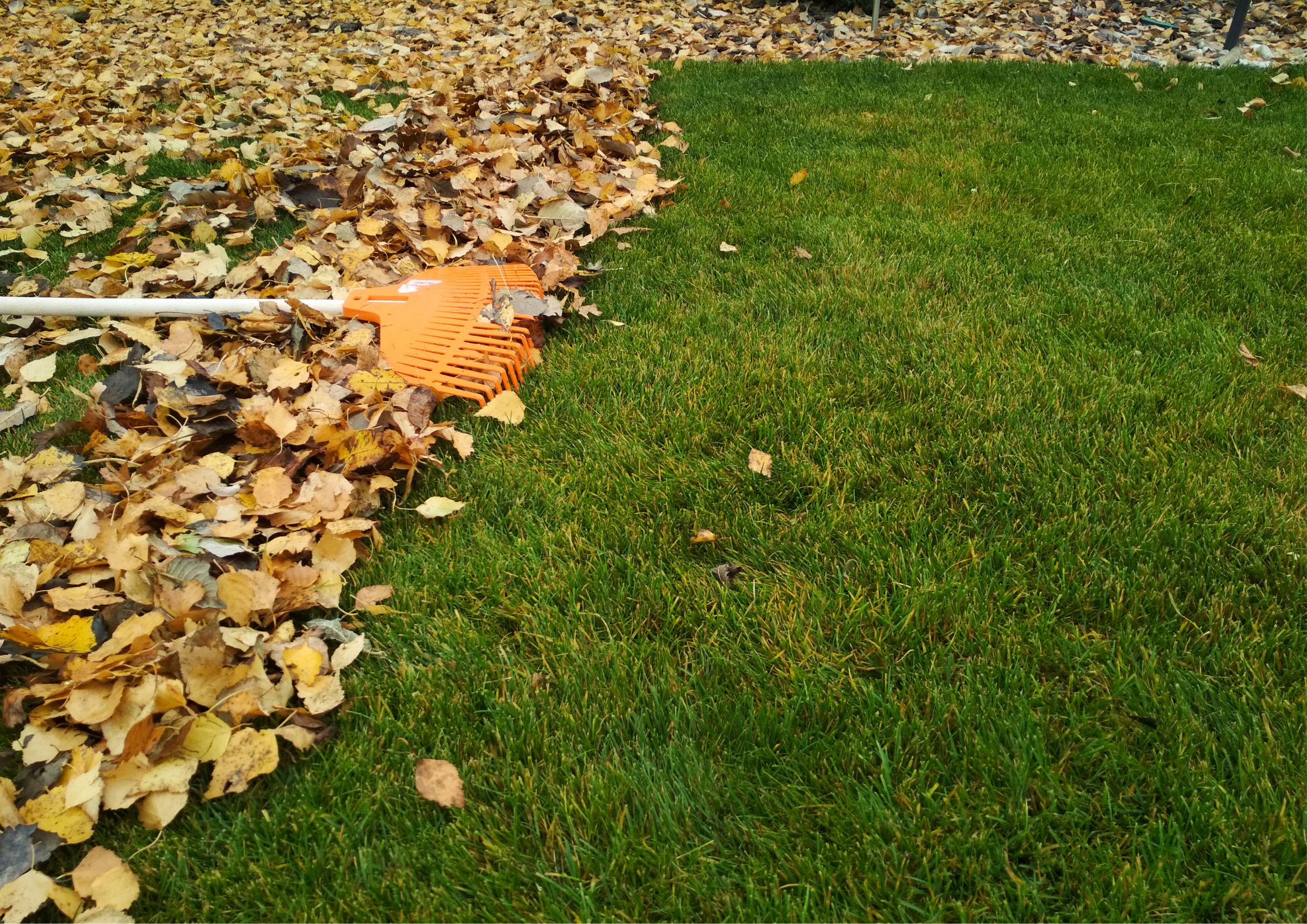
Falling leaves are a hallmark of the season, and although they can be picturesque, they are not friends of a healthy lawn. A layer of dry leaves can block the light and air that are vital for the grass. Let the rake be your ally and set aside time each week to clear away these autumn visitors. In addition to helping prevent disease, you will turn this "waste" into "gold" for your compost heap, closing the circle of life in your garden.
Watering on pause
Artificial watering can take a break in November, thanks to the rains that usually do the watering naturally. However, if the weather is reluctant to cooperate, a light watering may be needed. But remember, more is not better; too much water could lead to the spread of fungi and disease.
It is not time to mow
The lawnmower deserves a rest too. Without the need to mow, we give the lawn the opportunity to grow stronger and prepare for the cold days ahead. A slightly longer grass height acts as a natural coat against lower temperatures.
Composting with leaves
Autumn gives us the perfect material for compost: leaves. By raking them up and adding them to your compost, you are enriching your garden’s future with essential nutrients that will return to the soil as organic fertiliser.
If you need personalised help or advice on seasonal products and plants, the team at Eiviss Garden will be happy to help.