October has arrived in Ibiza, but this year autumn seems to be holding back. We are still experiencing high temperatures, quite sticky weather, and are waiting for the rains that, for now, have yet to arrive. The days are beginning to draw in, but our gardens are still experiencing conditions more typical of late summer than autumn.
That is why this month there is one rule that is especially important: do not change your plant care routine simply because the calendar has turned. In a Mediterranean climate like ours, we must observe the temperatures, soil moisture, and the actual needs of each plant.
Even so, October remains a wonderful month to restore your garden after the summer, start new plantings, and prepare your green spaces for the cooler months ahead.
Here is our guide of gardening tips and tasks for October.
1. Fertilising: nutrition for your plants

After a long, hot, and dry summer, many plants reach October in need of nutrient replenishment. It is a great time to improve the soil and help certain plants recover from summer stress.
However, while the high temperatures persist, we must avoid over-fertilising. Every plant has different needs, and more fertiliser does not necessarily mean more growth.
Types of fertiliser recommended in October
Organic fertilisers: compost, worm castings, or well-rotted manure help enrich the soil and improve its structure.
Slow-release fertilisers: these provide nutrients gradually and can be highly beneficial for certain plants.
Organic matter: especially recommended for preparing the ground where we plan to carry out new plantings.
Practical tips for fertilising in October
Check the plant's condition first. A plant stressed by heat or lack of water does not necessarily need feed.
Never fertilise completely dry soil. If necessary, water first and apply the fertiliser afterwards, always following the manufacturer's instructions.
Adapt your fertilising to the weather. If the warm weather continues and plants are still actively growing, their needs will be different from those in a cool October.
Not all plants require the same care. Well-established Mediterranean species usually need less intervention than more demanding varieties.
2. Planting: renovation and freshness

October is usually one of the best months for planting in a Mediterranean garden.
The soil retains much of the heat accumulated during the summer and, as temperatures begin to cool, plants can establish their roots before winter arrives.
This year, however, we still need to keep an eye on the thermometer. If it remains very warm, especially during the middle of the day, it may be sensible to wait a little before putting certain plants in the ground.
What to plant in October?
Trees and shrubs: as temperatures cool down, it is an excellent time to introduce new species to the garden. Olive trees, carob trees, strawberry trees, bay laurels or pomegranates are some great options for our climate.
Spring-flowering bulbs: we can start planting daffodils, crocuses and hyacinths to enjoy their blooms in a few months' time. For tulips, we can wait until temperatures drop a bit further.
Violas and pansies: these are the stars of the cooler months and add a wealth of colour. If it is still too warm, wait a little before planting them.
Herbs: rosemary, thyme, lavender, sage or cotton lavender are particularly suitable species for Mediterranean gardens due to their resilience and adaptation to our climate.
Do not forget watering
Even though October is here, new plantings still need water to establish their root systems properly.
And this year, as we continue to wait for the rain, it is more important than ever.
Do not reduce watering automatically just because summer has ended. Check the soil moisture and adapt the frequency to the actual temperatures.
When the rains finally arrive, remember to check your irrigation timers to avoid unnecessary watering.
3. Houseplants

Our indoor plants are also beginning to notice the shorter days, although temperatures inside the home can still remain quite high.
Therefore, October is a month to gradually adapt their care, rather than switching abruptly from a summer to a winter routine.
Modify watering
As daylight hours decrease and temperatures begin to drop, many plants will slow down their growth rate and require less water.
However, this change must be made gradually.
Push a finger into the compost before watering to check if it is truly dry. Overwatering can lead to root rot, especially when plants begin to consume less.
Adjust lighting
The days are growing shorter and the sun's position is shifting. Keep an eye on your plants and, if they start receiving less light, you can move them closer to a brighter window.
Avoid, however, moving a plant accustomed to indirect light into several hours of direct sunlight overnight.
Feeding and nutrition
Here too, let the plant be your guide, not the calendar.
If it continues to grow actively, you can carry on feeding according to the needs of the species. When its growth slows down, gradually reduce the frequency of liquid feeds.
There is no need to automatically maintain the same feeding regime as during spring and summer.
Cleaning
Make the most of October by removing dead leaves and wiping away accumulated dust from large leaves with a damp cloth.
As well as keeping them looking their best, clean leaves make it easier for plants to absorb the available light.
Pest and disease monitoring
Regularly check the leaves, stems and especially the undersides of the foliage.
Scale insects, spider mites and other pests can go unnoticed for a long time if we do not inspect our plants closely.
If you spot a problem, identify the pest first before choosing the appropriate treatment.
Repotting and potting on
Spring is generally a better time for most repotting, so there is no need to repot simply because October has arrived.
Only do so if there is a genuine need: tightly bound roots, compost quality issues, poor drainage, or a pot that is clearly too small.
4. Vegetable Garden: Harvesting and Sowing

October is a particularly interesting month in the Mediterranean kitchen garden, as the last of the summer crops share space with the first autumn and winter sowings.
And with the warm weather we are still experiencing this year, this overlap is even more apparent.
Harvesting in October
We can still keep harvesting tomatoes, peppers, aubergines and courgettes as long as the plants continue to produce.
Seasonal produce such as pomegranates are also arriving, while different citrus varieties are gradually starting their season.
As summer crops finish their life cycle, clear out the spent plants and take the opportunity to prepare the ground for the next sowings.
Sowing and Planting in October
Leafy greens: we can start with lettuce, Swiss chard, spinach and rocket. If it is still very warm, shade them during the hottest parts of the day or wait until temperatures drop.
Root crops: radishes and carrots are great choices to add to the autumn veg patch.
Brassicas: broccoli, cauliflower and various cabbage varieties start to take centre stage with the arrival of milder temperatures.
Garlic and onions: depending on the variety, October can be a great time to start planting them in Mediterranean climates.
Soil Preparation
Before replanting, clear the beds of weeds and any debris from previous crops.
Lightly fork over the soil and work in some garden compost or well-rotted organic matter where needed.
And remember: if the warm weather persists, do not rush. Sowing a few days later under better conditions can yield far better results than doing it simply because the calendar says it is October.
5. Lawn care: reviving summer damage

After months of heat, intense sun, dry spells and heavy use, October is the perfect time to restore your lawn after the summer.
But before you start scarifying, overseeding or feeding, take a moment to assess what it actually needs.
Watering
With the autumn rains holding off this year, don't cut back drastically on watering while temperatures remain high.
Also, check that all sprinklers and spray heads are working correctly. Sometimes a yellow patch doesn't need more watering time; it could simply be a sprinkler failing to cover that specific area.
Once the rain starts falling regularly, you can adjust your irrigation timer.
Mowing
As temperatures cool down, lawn growth will slow, meaning you can leave longer intervals between mows.
Avoid cutting the grass too short, especially if it is still dealing with heat and drought stress.
Scarifying and aerating
When the weather turns milder, you can consider aerating compacted soil and scarifying if there is a significant build-up of thatch.
Not every lawn needs scarifying every autumn. Before you start, check the condition of the lawn surface and your specific grass type.
Repairing damaged areas
If thin patches or bare spots appeared over the summer, the mild autumn temperatures offer an excellent window to repair them.
Before overseeding, try to identify why that area deteriorated in the first place: lack of water, heavy foot traffic, compacted soil, poor sprinkler coverage, or disease.
Feeding
If your lawn is lacking nutrients, apply a fertiliser suitable for this time of year and tailored to your grass species.
Avoid feeding purely out of habit, and always stick to the recommended application rates.
Fallen leaves and garden debris
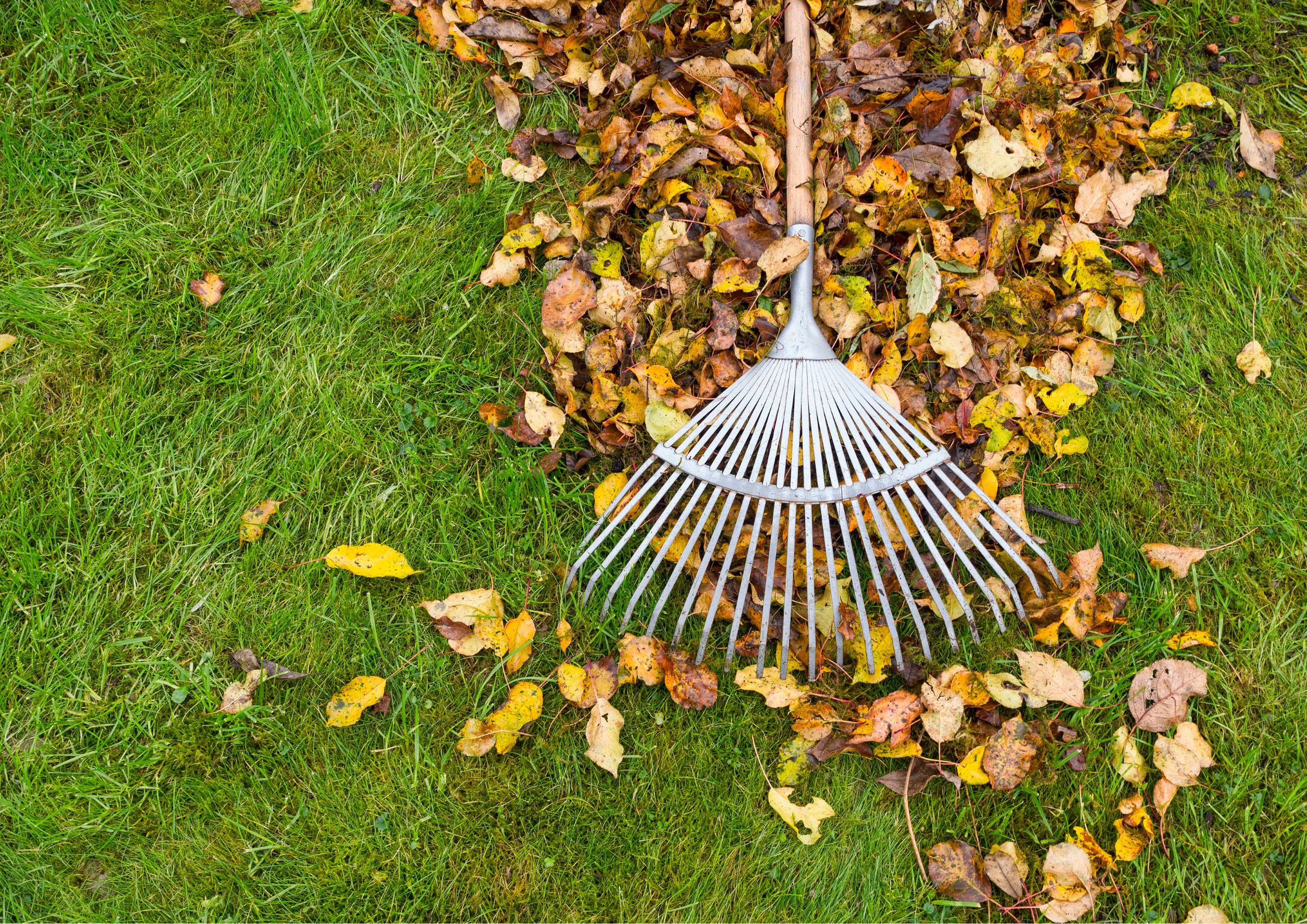
When the autumn leaves begin to fall, make sure they don't pile up on the grass for long periods.
A thick layer of leaves can block out light and trap excess moisture on the surface, encouraging disease.
Gardening in October: observe your garden before taking action
This October is teaching us a very clear lesson: plants don't look at the calendar. In Ibiza, we are still experiencing humid, muggy weather, and we are still waiting for those first rains that make us feel like autumn has truly arrived.
Because of this, observe your garden this month before taking action: check the soil before watering, wait for cooler temperatures before tackling certain planting projects, and take the opportunity to gradually restore what the summer heat has worn down.
October remains one of the most rewarding months for garden enthusiasts. We simply need to adapt to the autumn weather we actually have, rather than the one we expect.
If you have any questions about what to plant in October, how to revive your garden after the summer, or what care your plants need, pop into Eiviss Garden. Our team will be delighted to help you find the plants, products, and solutions best suited to your space.
Did you find this guide helpful? Save it for reference to guide your October gardening tasks, and share it with fellow gardeners who are also waiting for autumn to finally arrive.