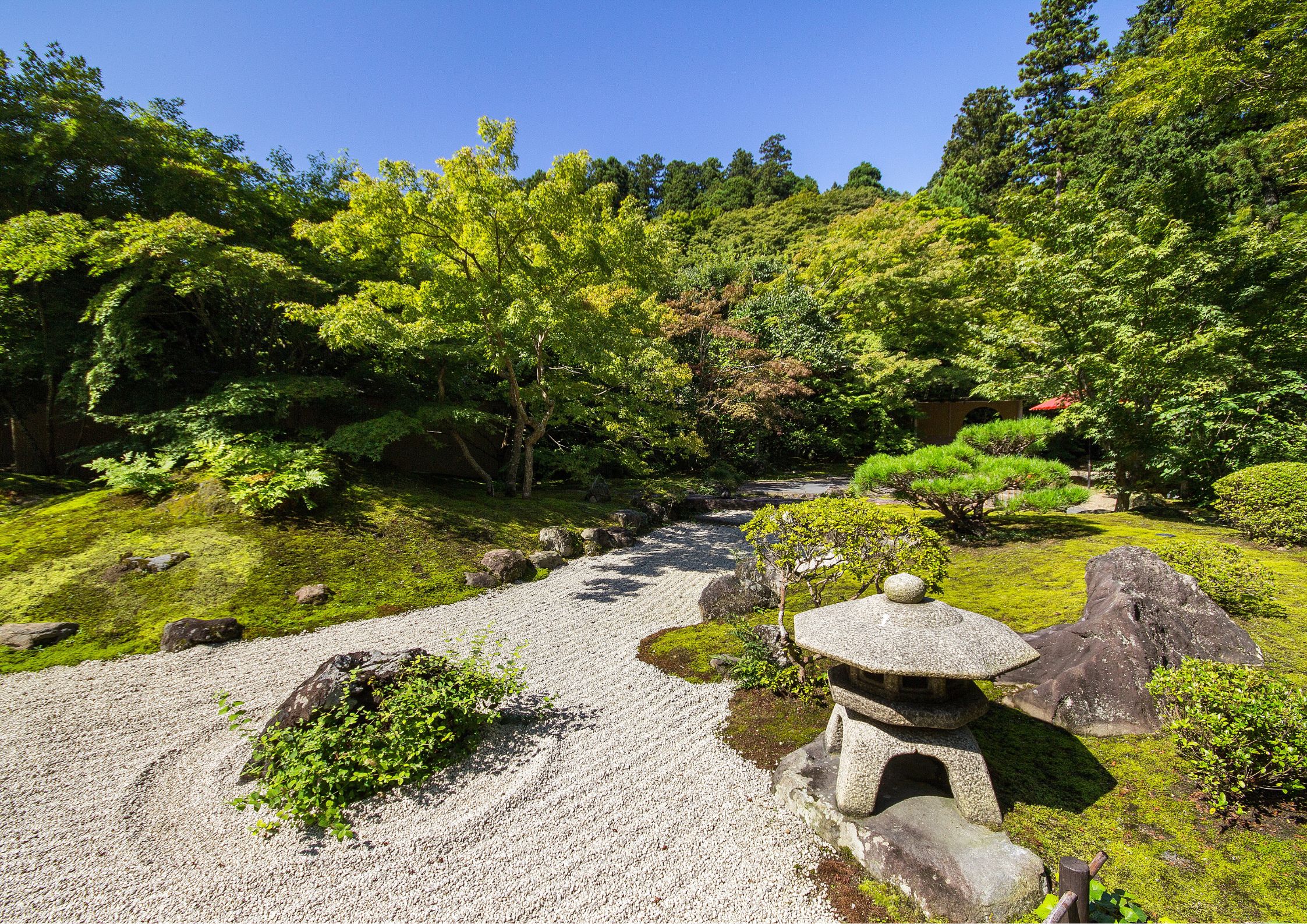
Can you imagine a garden that not only beautifies your home, but also calms your thoughts, reduces stress and reconnects you with the present? Welcome to the world of zen gardening, an ancient practice that combines landscape design with Japanese philosophy to create spaces of deep serenity.
In this post, we’ll tell you what a zen garden is, its essential elements and how you can create one —or incorporate its principles— in your garden, patio or terrace. An invitation to pause, breathe… and reconnect.
What is a zen garden?
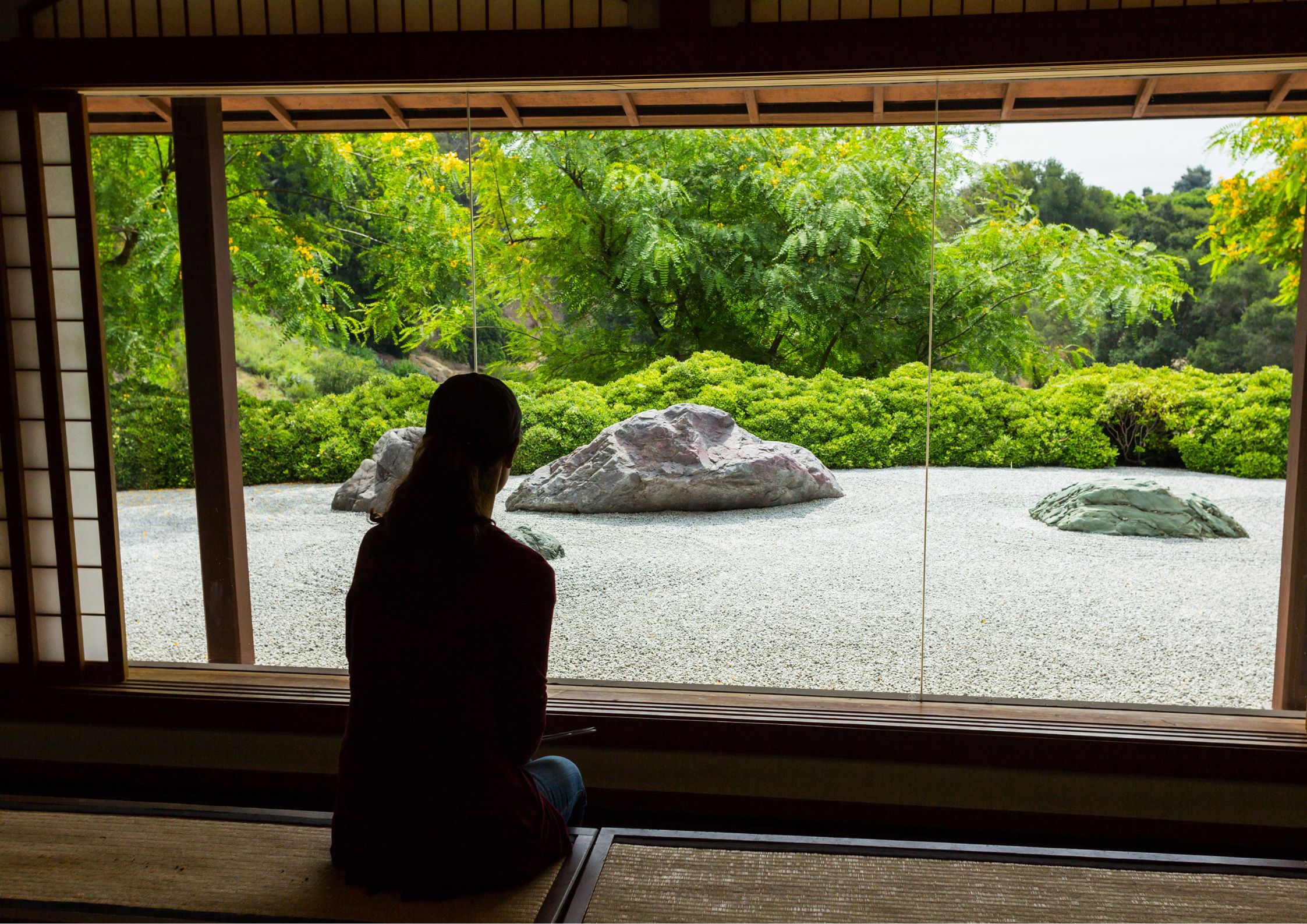
The Zen garden, also known as kare-sansui (dry garden), is a form of traditional Japanese gardening that symbolically represents natural landscapes, using elements such as rocks, sand, gravel, moss and plants in their simplest expression. It does not seek exuberance, but rather the essence of nature. Its purpose is not merely aesthetic: it is designed for contemplation and meditation. In fact, it emerged in Buddhist temples as support for the practice of Zen, with the idea of reflecting the universe in miniature and encouraging introspection.
Benefits of Zen gardening
Although it may seem decorative, the Zen garden is much more than a pretty space. Here are some of its benefits:
Reduces stress and anxiety
The harmonious arrangement of elements conveys calm and helps focus attention on the present.
Encourages mindfulness
Raking the gravel, rearranging stones or simply observing in silence are forms of active meditation.
Stimulates creativity
By representing mountains, rivers or islands with simple shapes, the imagination is exercised.
Requires little maintenance
Ideal for dry climates or spaces where many plant species cannot be grown.
Essential elements of a Zen garden
Although there are no strict rules, these are the most characteristic elements of a Zen garden:
Gravel or sand:
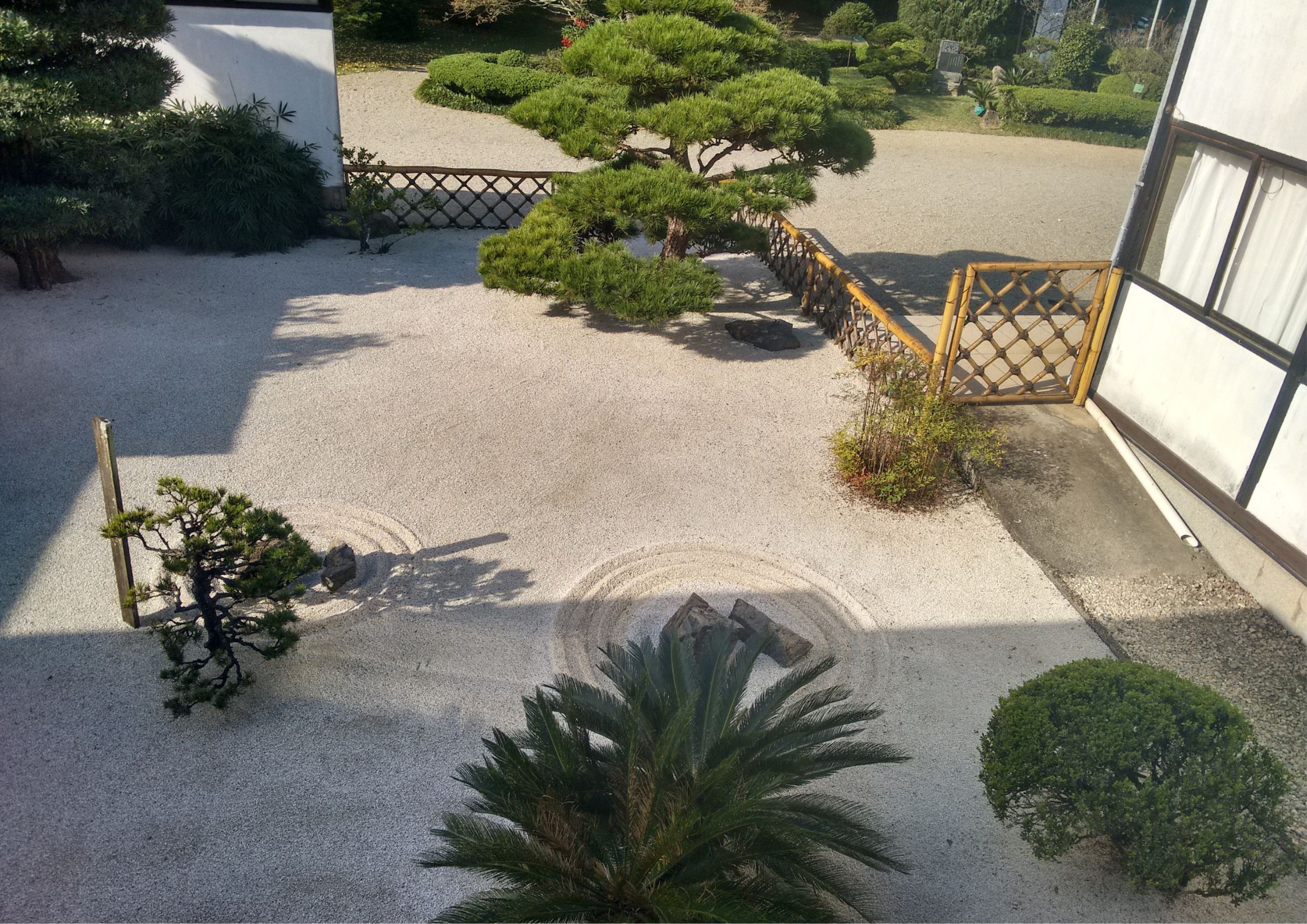
It is raked into waves that represent water. Raking it is a meditative practice in itself.
Rocks:
They represent mountains, islands or animals. Their placement is key and usually follows asymmetric, natural principles.
Moss:
It adds texture and symbolises the permanence of time. It needs moisture and shade.
Minimalist plants:
Bamboo, Japanese maples, ferns or dwarf pines are used sparingly. The choice is based on balance, not abundance.
Water (real or symbolic):
If gravel is not used as a representation, a small fountain or koi pond can be included.
Bridges, lanterns or stone benches:
Decorative elements that invite you to pause and take a look.
How to create a zen corner at home
You don't need a temple or a large plot to enjoy a zen space. You can apply its principles to any garden, balcony or even an indoor corner. Here are some tips:
1. Choose a peaceful spot
Look for a place away from the bustle. It could be a corner of your garden or a spot on your terrace.
2. Prepare the ground
Lay down a base of white gravel or sand. Draw ripples with a wooden or metal rake to represent the flow of water.
3. Add rocks and plants
Use stones of different sizes and shapes, grouping them in odd numbers. Pair them with moss or hardy plants, preferably native or low-maintenance species.
4. Create an atmosphere
Incorporate elements such as Japanese lanterns, gentle fountains or benches where you can sit and take it all in. Adding a small bamboo or bonsai can also reinforce the style.
5. Care for it as a ritual
Comb the gravel, remove dry leaves, rearrange the stones… but do it unhurriedly. Every gesture should invite you to connect with yourself and your surroundings.
Zen gardening in Ibiza: is it possible?
Although the zen garden comes from Japan, its philosophy can be perfectly adapted to the Mediterranean climate. In Ibiza, you can replace some Asian species with local alternatives such as:
Lavender (bringing fragrance and purple blooms)
Rosemary or thyme (hardy plants with low water needs)
Ibizan pine trees shaped as bonsai
Natural stones from the island
White gravel or fine sand instead of moss, which needs moisture
Zen gardening is not a decorative trend. It is an invitation to simplify, to see with fresh eyes and to create beauty from calm. In a fast-paced world, having a space where everything slows down can be the best gift for your well-being.
At Eiviss Garden, we help you create that balanced space your mind and garden deserve. Come and visit us or get in touch with us about designing your own zen corner.