October arrives in Ibiza marked by contrasts. After the intense rain and flooding that affected the island, we begin the month with clear skies, although there is still uncertainty about further cold drops. The days are getting shorter and temperatures are gradually falling, reminding us that we must prepare the garden for the arrival of winter. For gardening enthusiasts, this month offers a unique set of tasks and care routines worth carrying out. Here we present a guide to gardening tips and tasks in October.
1. Fertilising: nutrition for your plants
The Mediterranean climate, with mild winters and intense summers, requires certain specific care in autumn. October is a transitional month, in which we leave the summer heat behind and prepare for the freshness of winter. It is a good time to strengthen the soil and help plants face the coldest months.
Recommended types of fertiliser
Organic fertilisers: Compost, worm humus or well-rotted manure. They enrich the soil, improve its structure and release nutrients gradually. Ideal for shrubs, trees and perennial plants.
Potassium-rich fertilisers: They strengthen resistance to cold and disease. Very useful for plants that will remain outdoors throughout winter.
Phosphorus-rich fertilisers: They promote the development of strong roots, something essential for newly planted or transplanted plants in October.
Practical tips for fertilising in October
Water before fertilising: A moist soil makes nutrient uptake easier.
Choose liquid fertilisers for pots: For indoor or container plants, use a diluted liquid fertiliser every 15 days. It provides a quick and effective boost.
Moderate the frequency: As temperatures drop, plants reduce their activity. Avoid overfeeding them and in November increase the interval between applications.
Native plants: Mediterranean species need less fertilising, as they are adapted to the local soil.
New plantings: If you have added plants in October, use a balanced fertiliser to help them establish and grow initially.
2. Planting: renewal and freshness
October becomes an ideal month to carry out plantings that will bring life and colour to our green space in the seasons ahead. Temperatures are still not extremely low, and the soil retains the summer warmth. This combination of conditions encourages rooting and helps plants acclimatise before the colder winter months arrive.
What to plant in October?
Trees and shrubs: It is the ideal time to plant or transplant, as the roots will have time to settle before the cold sets in.
Spring-flowering bulbs: Tulips, daffodils, crocuses and hyacinths can be planted now so you can enjoy a garden full of colour when spring arrives.
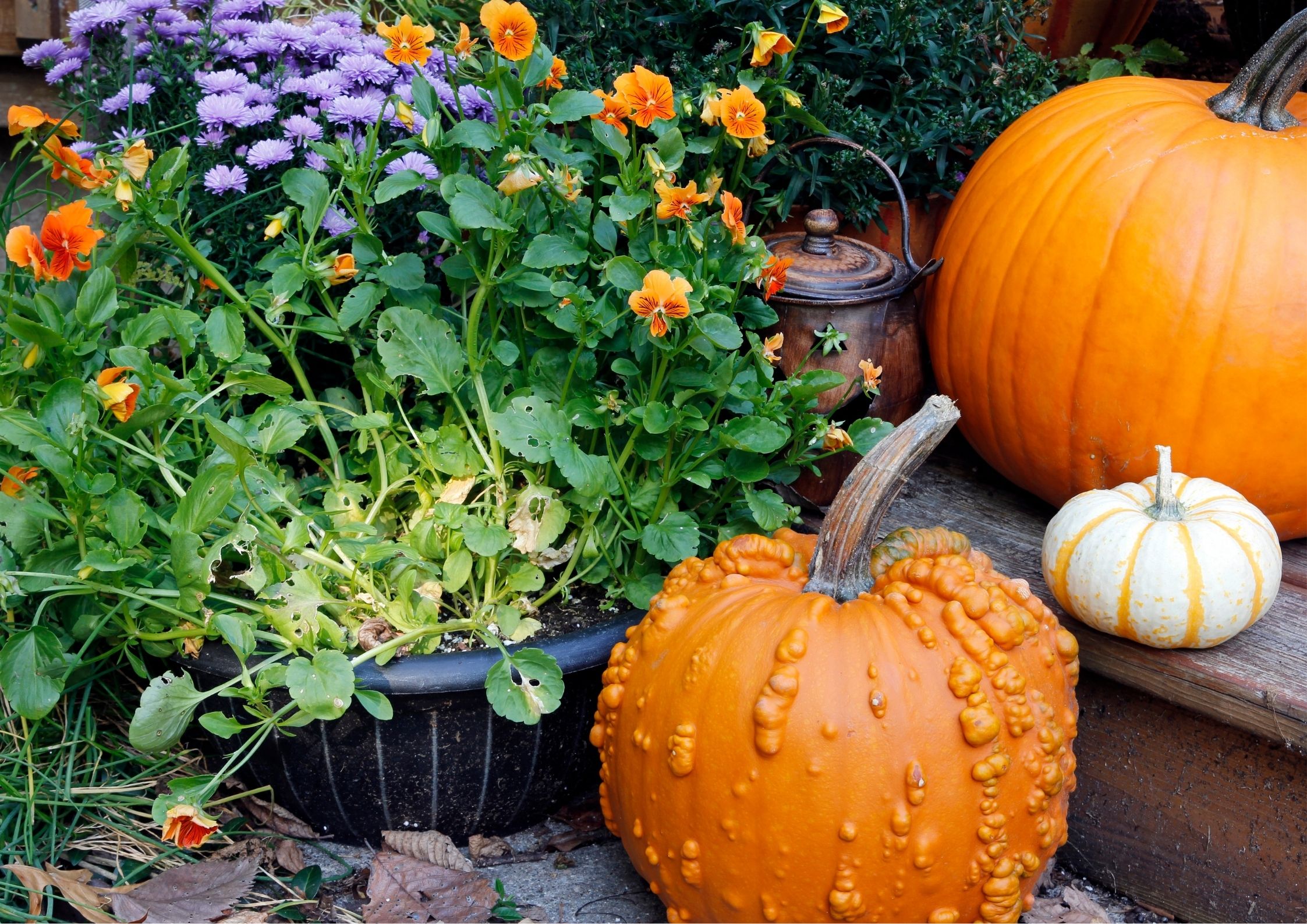
Violas and pansies: These flowers stand up well to low temperatures and will provide colour throughout autumn and winter.
Aromatic plants: Species such as rosemary, thyme and lavender adapt well to the Mediterranean climate, and October is a good month for planting them.
3. Indoor plants
Not only outdoor gardens feel the change of season, but also our beloved indoor plants. It is essential to adapt your care to ensure they continue growing healthily and lushly. Below, we share some tips:
Adjust watering
As the days grow shorter and temperatures fall, indoor plants slow their growth. As a result, they will need less water. Make sure you let the soil dry out between waterings.
It is always good practice to check the moisture of the soil with a finger before watering, avoiding overwatering, which can lead to root rot.
Adjust the light
Move your plants closer to brighter windows if necessary, or consider using artificial grow lights, especially for species that need more light.
Feeding and nutrition
Continue feeding indoor green plants with a liquid fertiliser rich in nitrogen every two weeks. You will stimulate growth and achieve greener leaves.
It is essential that the growing medium is moist before feeding. From November onwards, you should reduce the feeding frequency, as most plants will enter a dormant period.
Cleaning
Leaves collect dust, which can hinder light absorption. Clean large, smooth leaves with a damp cloth and use a soft brush for smaller or fuzzy leaves.
Monitoring for pests and diseases
The drier indoor environment can be conducive to pests such as mites. Check leaves and stems regularly for signs of pests or diseases. If you detect any, treat them immediately with a suitable insecticide or natural remedies.
Transplanting and repotting
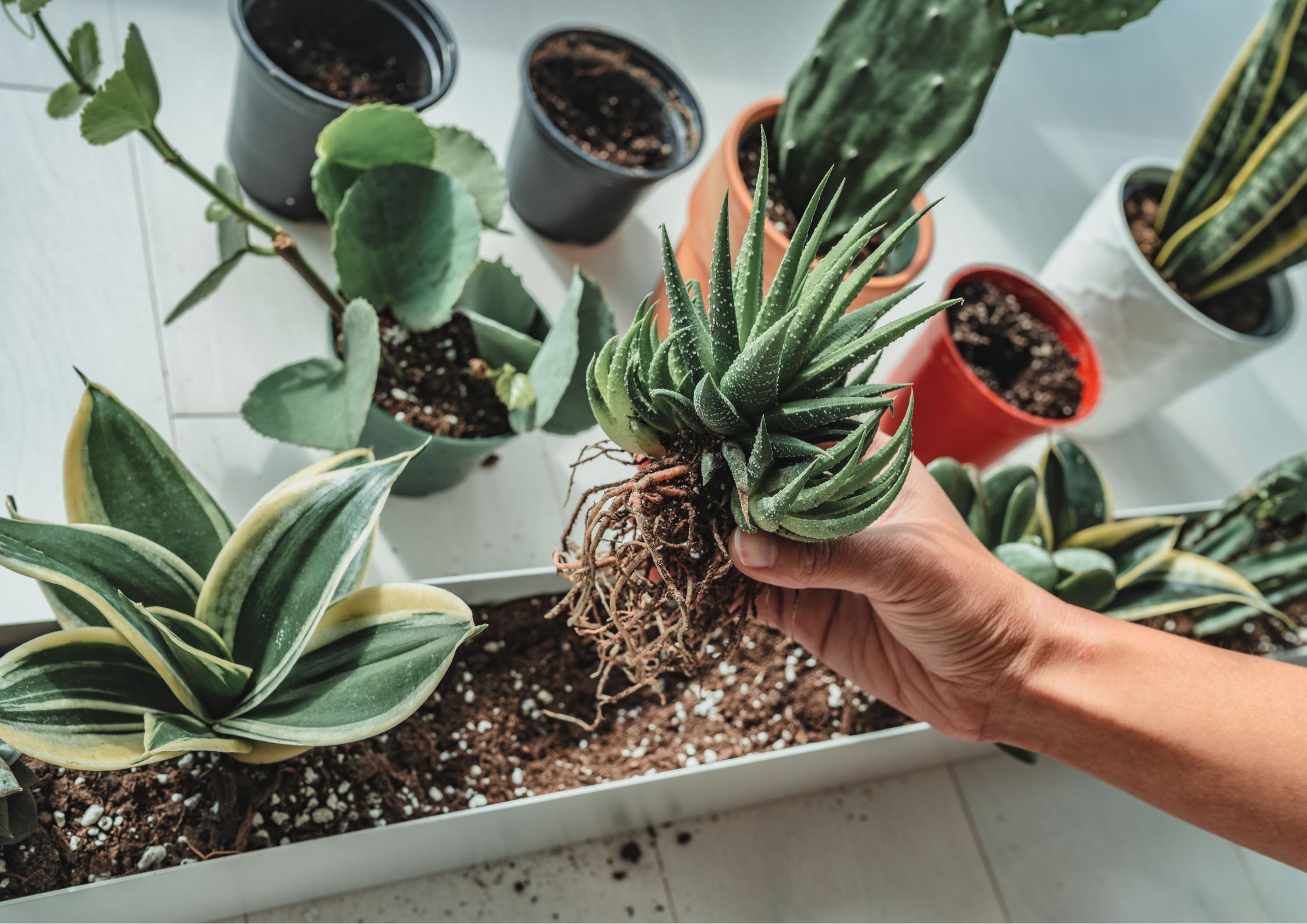
Although spring is generally the best time to transplant, if you notice that a plant is particularly cramped in its pot or showing signs of stress, consider doing it in October. That said, after transplanting, make sure to keep it out of direct sunlight for a few days.
4. Vegetable garden: harvesting and sowing
It is a key month for the vegetable garden, full of essential tasks that will ensure a smooth transition and ongoing production.
Harvesting in October
Fruit: It is the season of the "quince summer", which means it is time to harvest quinces, as well as kiwis and hazelnuts. Pomegranates and some lemons will also be ready to pick. Let us not forget the last apples and pears from certain varieties.
Vegetables: The late potatoes planted at the end of spring are ready to be harvested. It is important to store them in a cool, dark place. In addition, we can continue harvesting vegetables such as courgettes, aubergines, peppers and, in some cases, the last tomatoes.
Wild berries: If you have plantings of blackcurrants, gooseberries or sloes, October is the ideal month to harvest them, always choosing a sunny day.
Sowing and Planting in October
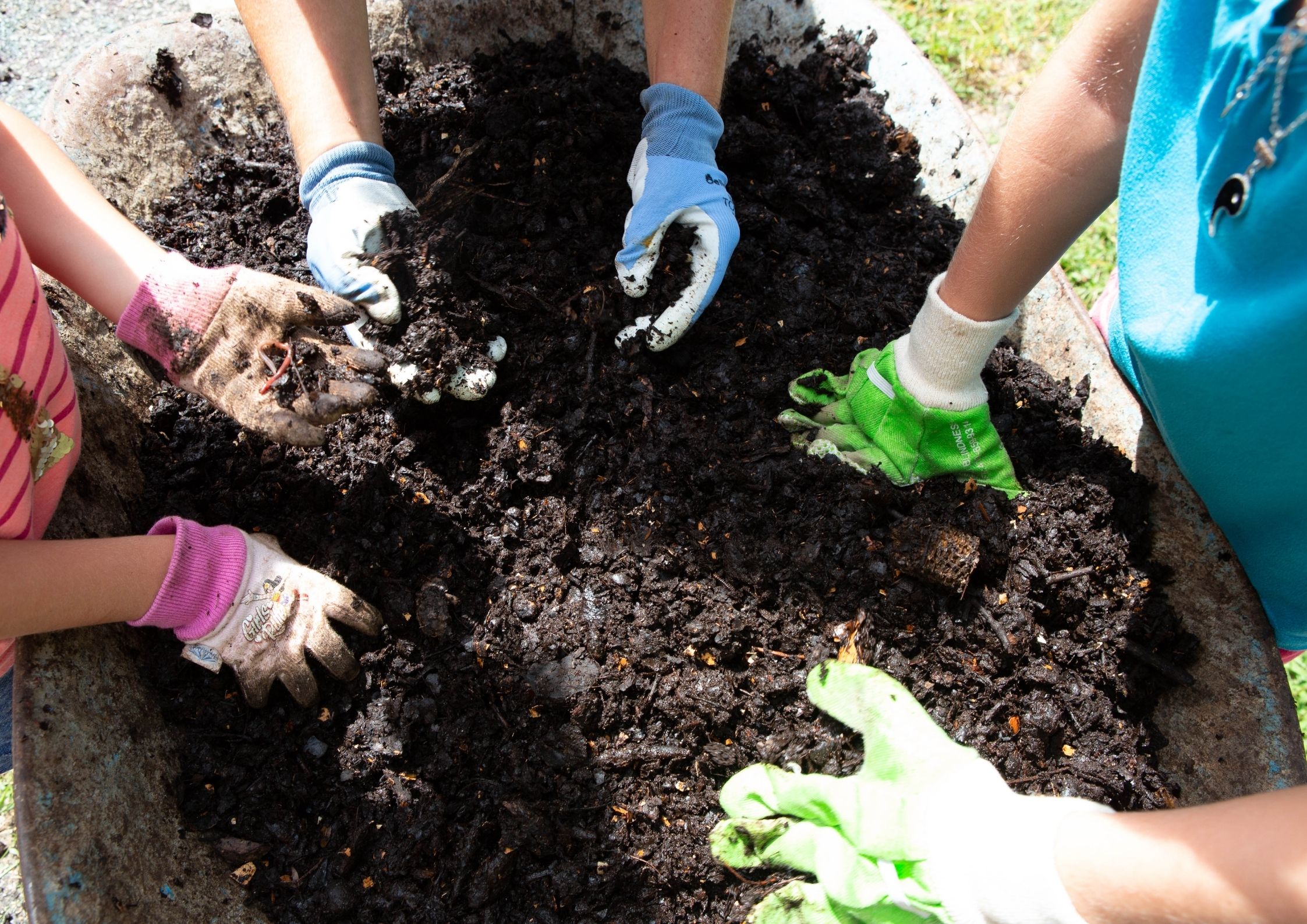
Preparing the soil: Before any new sowing, it is crucial to clear the beds or borders of remains of spent vegetables and weeds. Loosen the soil well and mix in organic compost.
Leafy vegetables: October is ideal for sowing spinach, chard and winter lettuces. These vegetables grow well in cooler temperatures and will provide you with harvests during the colder months.
Roots and bulbs: It is the right time to sow carrots, radishes and leeks. These vegetables will develop their roots deep in the soil during autumn and winter and will be ready for harvest in the months ahead.
Garlic and onions: While many gardeners choose to plant garlic in late autumn, October can be a good time, especially in the warmer areas of the Mediterranean region. Short-day onions can also be planted now for an early harvest in spring.
Cold-weather crops: Consider sowing cabbages and broccoli to transplant later and harvest in spring. These crops cope well with the cold and are ideal for keeping your vegetable garden active throughout winter.
Encourage biodiversity: If you have the space, consider sowing plants that encourage the presence of beneficial insects, such as marigolds or chamomile. These attract natural predators that will help keep pests under control.
5. Lawn
After the hot summer months, October offers a unique opportunity to restore, renew and prepare your lawn for winter.
Scarifying: If you did not do it in September, October is an excellent time to scarify. Scarifying allows water, air and light to reach the roots, removing the layer of dead grass or thatch that forms on the surface of the lawn. After scarifying, it is advisable to sow some grass seed in thinner areas to achieve a fuller lawn.
Watering: As temperatures drop, the frequency of watering should be reduced. However, make sure the lawn continues to receive water regularly, especially if it does not rain for long periods.
Mowing: With the autumn coolness, the lawn grows at a slower pace, so it will not need cutting as often as in summer.
Feeding: October is a good time to apply a slow-release fertiliser, especially formulated for autumn. These fertilisers are rich in potassium, which strengthens the roots and helps the lawn resist frost and winter diseases.
Moss and lichen control: Shadier areas or those where the soil is compacted are susceptible to moss growth. If you notice its presence, consider applying an anti-moss treatment and, after a few days, remove it with a rake.
Pest and disease control: Keep an eye out for fungal diseases such as powdery mildew. If you detect spots or affected areas, treat them quickly with a suitable fungicide. In addition, October is a good month to carry out preventive treatment against lawn grubs.
Repairing damaged areas: If, during the summer, some areas of the lawn have been affected by heavy traffic or drought, October is the ideal time to repair them. Fill in with soil and sow new grass seed in those areas.
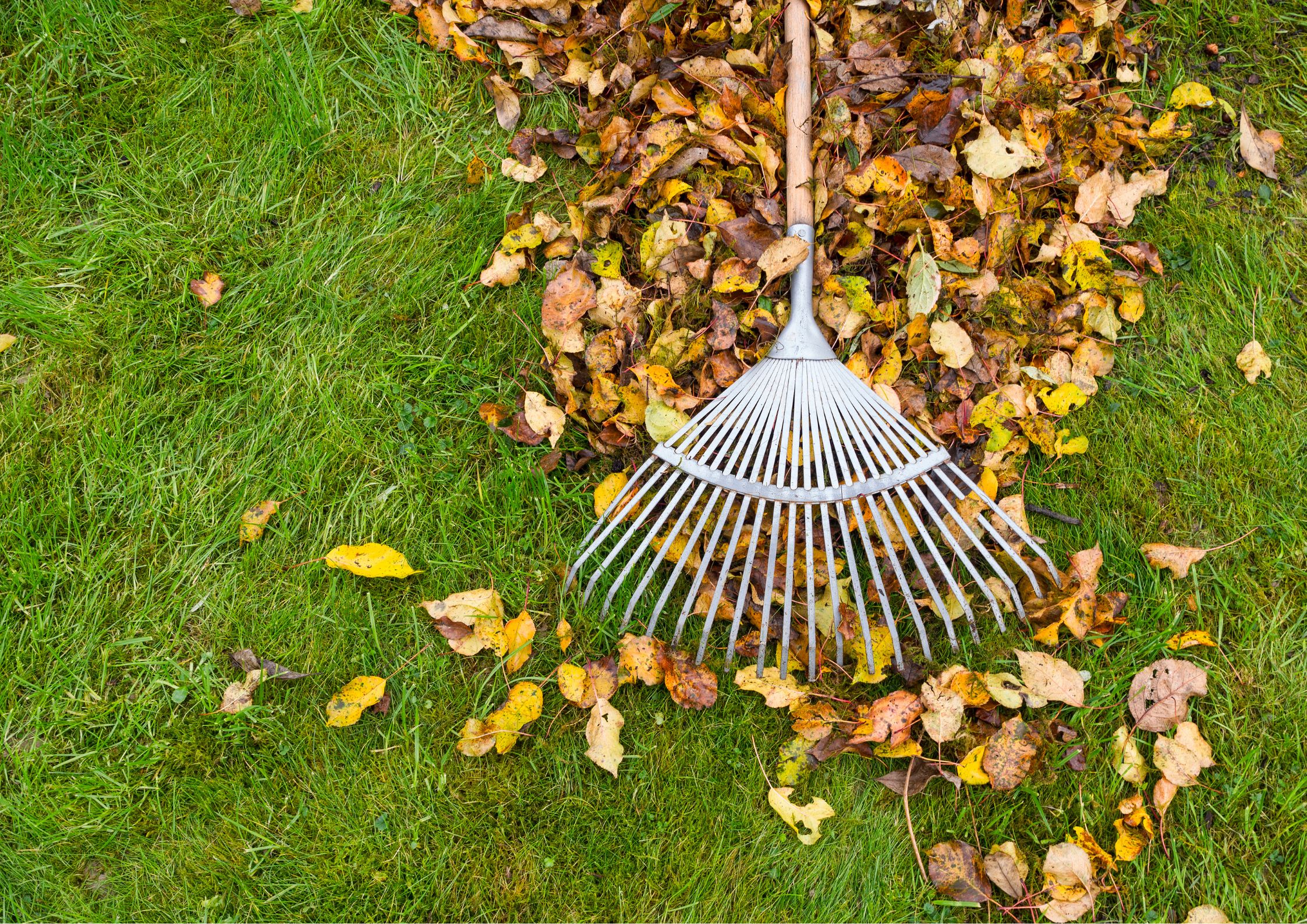
Leaf collection: It is essential to keep the lawn free of fallen leaves. A lawn covered in leaves does not receive enough light and can suffocate, as well as being more susceptible to disease.
Take your gardening skills to the level you've always dreamed of, and remember that, just like plants, every action counts and will eventually flourish. If you need any help, the team at Eiviss Garden will be delighted to help.
Have you found this content useful? We would love to hear about your October gardening adventures! Leave your experiences in the comments and share this article with those friends who are passionate about all things green.