December brings with it the spirit of the festive season, the cold in the air, and a sense of calm in nature. However, it is not a month to abandon your garden, terrace, or balcony. In Mediterranean climates such as Ibiza, this month offers a unique opportunity to prepare your green space for winter and ensure a smooth transition into spring. Here are our December gardening tips and tasks, updated so you can enjoy caring for your green oasis.
1. Year-end fertilising: Nutrition for your plants
Fertilising in December is crucial to prepare the soil and plants for the cold months.
Recommended fertilisers for December:
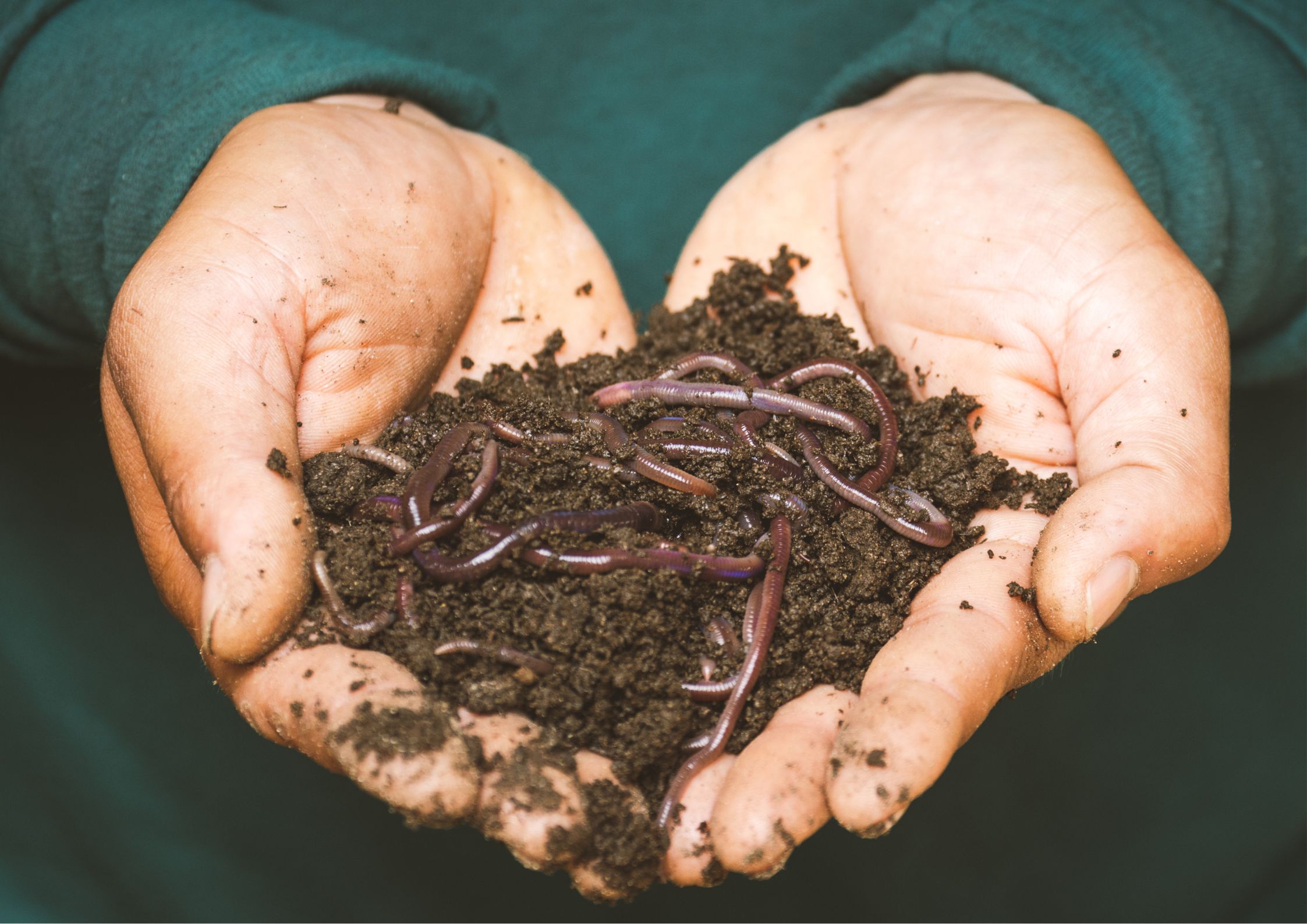
Organic fertilisers: Compost and worm castings are ideal for adding to the soil before temperatures drop too much. This will help improve soil structure and provide essential nutrients during the cold months.
Slow-release fertilisers: Applying a slow-release fertiliser can be beneficial for providing nutrients throughout the winter, without the risk of over-fertilising.
Tips for fertilising in December:
Apply the fertiliser when the soil is moist but not saturated.
Avoid fertilising on especially cold or frozen days so as not to damage the roots.
Fertilising in the Mediterranean region
Fertilising in December in the Mediterranean region requires special consideration due to its unique climate, which tends to be milder compared with other colder regions. This means that many plants continue growing, albeit more slowly.
It is recommended to use organic fertilisers such as mature compost, well-rotted manure, or worm castings, which provide a slow release of nutrients and improve soil structure. Using organic fertilisers also helps promote the activity of beneficial microorganisms in the soil and helps prepare it for spring planting, giving plants a solid nutritional base when they begin to grow more vigorously.
2. Planting: Ideal species for December
In December, the cooler temperatures and soil moisture in the Mediterranean region create optimal conditions for planting certain species that can establish themselves during the winter months.
What to plant in December
Bare-root trees
Bare-root trees are sold without soil around the roots, usually after they have lost their leaves and entered a dormant period. Examples include:
Fruit trees: Many fruit trees are sold bare-root and can be planted in December, such as apple, pear, plum and almond trees.
Ornamental trees: Trees such as elm, maple and oak can also be planted at this time, taking advantage of the dormant period to establish a strong root system.
Perennials
Perennials are plants that live for more than two years, and in December you can plant cold-hardy varieties such as:
Lavender: A plant very well adapted to the Mediterranean climate, drought-resistant and with fragrant blooms.
Rosemary: Another very hardy perennial shrub typical of the Mediterranean region, which, in addition to its culinary use, attracts pollinators.
Aromatic herbs: In addition to rosemary, you can plant thyme, sage and oregano, which are hardy and establish well during the colder months.
3. Indoor plants
Heating and the limited hours of daylight can have a negative impact on your indoor plants.
Recommendations
Light: Place the plants near windows and clean the leaves to maximise light absorption.
Humidity: Place trays with water and pebbles near the plants to increase humidity.
Watering: Reduce the frequency of watering and make sure the substrate dries out before watering again.
Examples of indoor plants for December
Sansevieria (Mother-in-law's tongue or Saint George's sword): Very hardy and perfect for indoor environments, it doesn't require much water and can tolerate low light.
Zamioculcas (ZZ plant): A plant that has become popular for its hardiness and its ability to survive with little light and water.
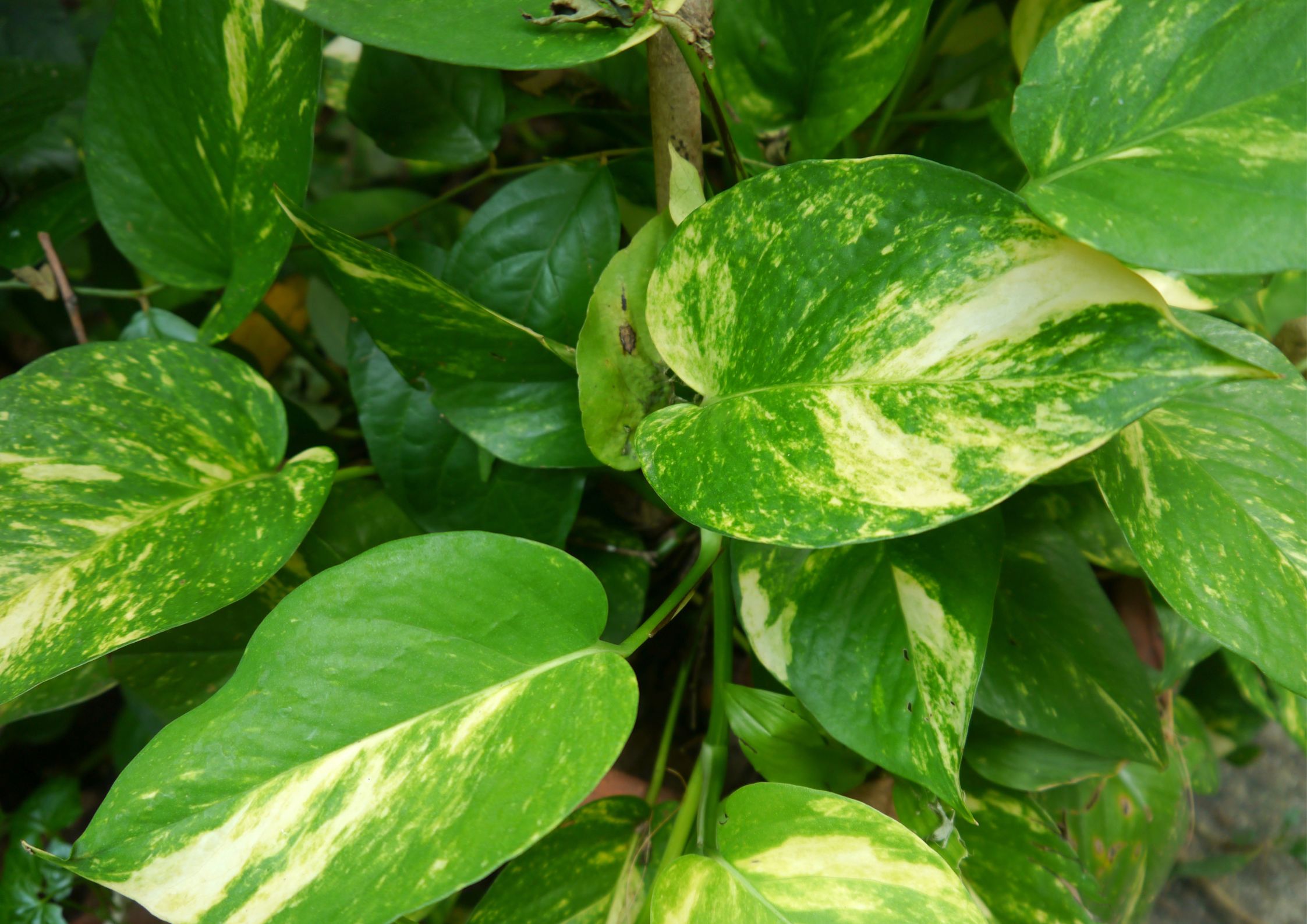
Pothos (Epipremnum aureum): Ideal for hanging or placing on high shelves, pothos can thrive in indirect light and do not need frequent watering.
Ferns: Such as Nephrolepis exaltata, which appreciate humidity but can also adapt to indoor conditions if given enough water.
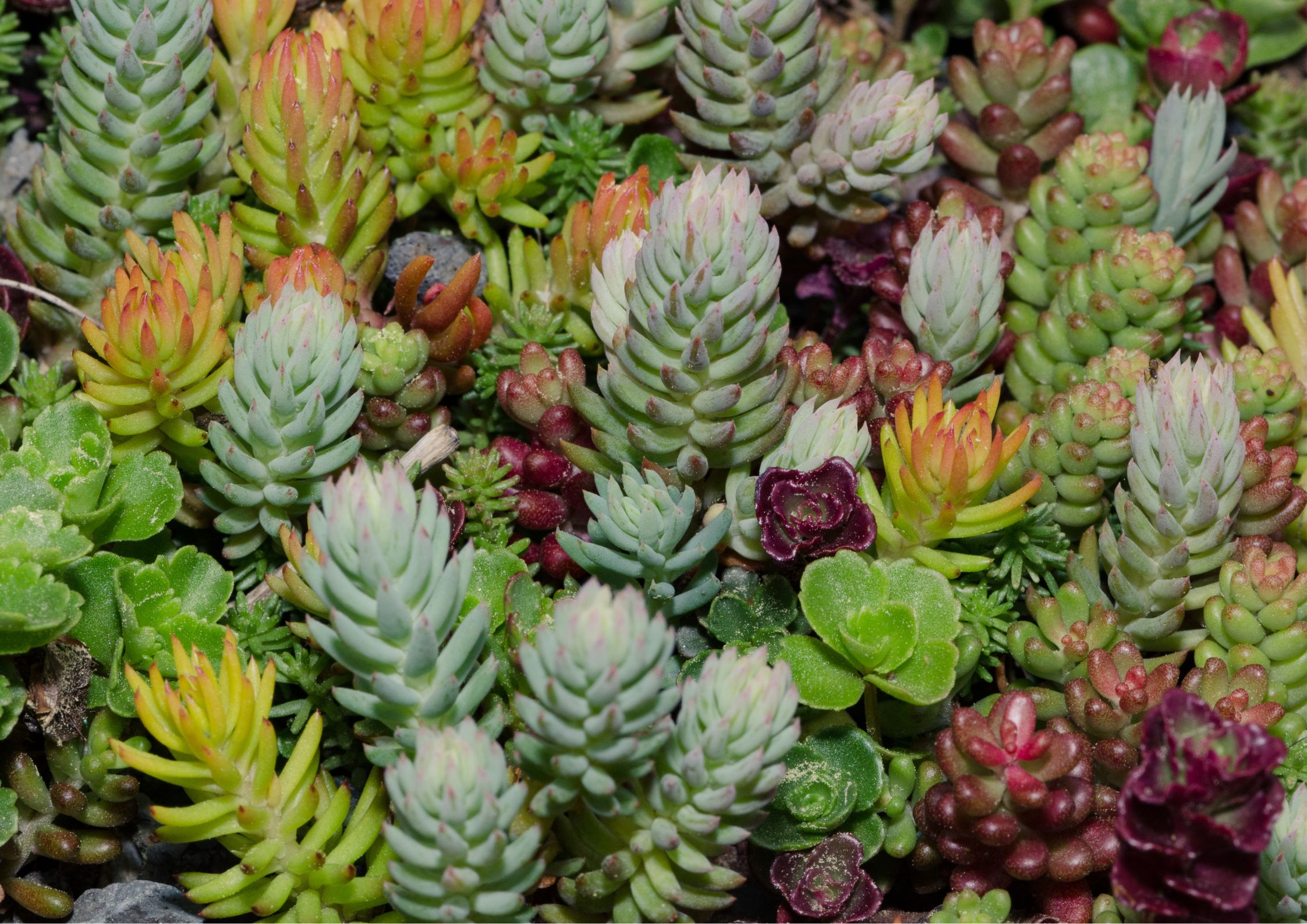
Cacti and succulents: Although they prefer bright light, they can survive low-light conditions during winter, provided watering is reduced.
4. Vegetable garden in December: Harvesting and preparation
The vegetable garden in the Mediterranean region is preparing for cooler temperatures, but thanks to our relatively mild climate, some growing and harvesting activities can continue.
Gardening tasks for December in the Mediterranean region
Harvesting
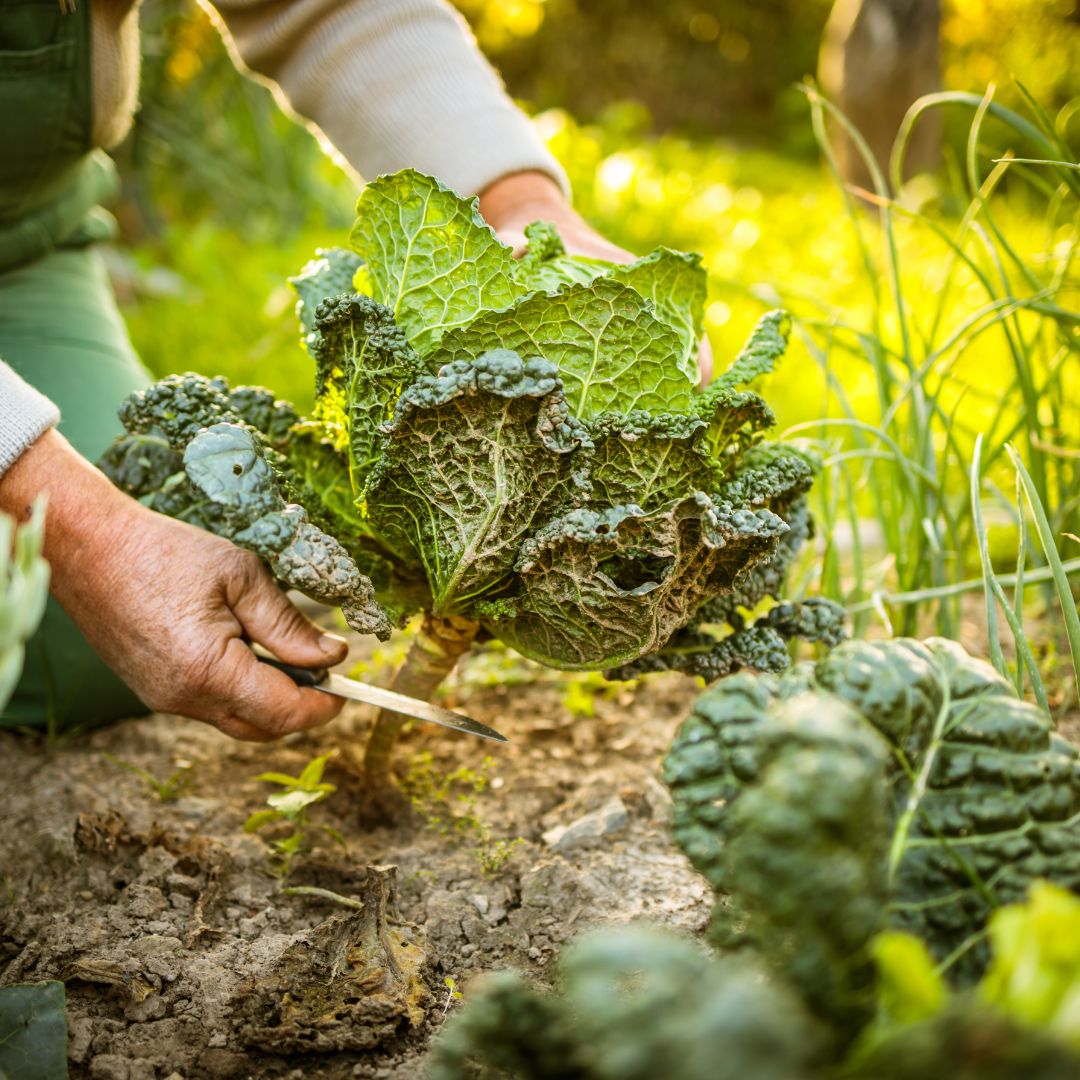
Brassicas: Winter brassicas such as kale and cabbage can cope well with the cold and continue to be harvested.
Winter lettuces and spinach: Choose cold-hardy varieties and harvest as needed.
Roots and tubers: Carrots, turnips and beetroot may have reached their ideal size and be ready to harvest.
Citrus: Many citrus fruits ripen at this time, so it is a good time to pick oranges, lemons and mandarins.
Sowing
Broad beans and peas: These legumes are ideal to sow in December as they germinate in the cold and will be ready to produce in spring.
Garlic and onions: Planting garlic and onions now means they will root over winter and you will have an early harvest in spring or early summer.
Spinach and chard: Spinach and chard can be sown or planted, and will germinate with the first mild spells of late winter and early spring.
Garden preparation
Pruning: For fruit trees, December is ideal for maintenance and training pruning, provided there is no frost.
Protection: If frost is expected, protect your crops with frost fleece or plastic covers, especially if you have recently sown or transplanted.
Other tips
Crop rotation: Plan your crop rotation to help prevent disease and nutrient depletion.
Weed control: Take the opportunity to remove weeds, which compete with your crops for nutrients and water.
Planning: Start planning your spring crops, thinking about the varieties you want to plant and where they will go in your garden.
5. Lawn