January is a month of new beginnings, and that includes our garden. In the Mediterranean area, this month can be quiet, but there are essential tasks to ensure the health and beauty of our plants. From feeding to sowing, every step we take now prepares us for a spring and summer full of life and colour. In this post, we’ll give you gardening tips and tasks for January.
1. Feeding: nourishment for your plants
Winter is a crucial time for feeding, especially in the Mediterranean region where the climate is milder. During this month, it is important to provide your plants with the nourishment they need to strengthen their roots and prepare them for next season’s growth.
Types of Feed to Consider
Organic Feed: Ideal for improving soil structure and providing essential nutrients. Compost and worm castings are excellent options for enriching the soil.
Slow-Release Feeds: These feeds guarantee continuous nourishment, which is vital during the colder months.
Tips for Effective Feeding
Apply the feed evenly and according to each plant’s specific needs.
Don’t forget fruit trees and ornamental shrubs, which will benefit greatly from a good feed at this time of year.
2. Planting: renewal and freshness
January is an ideal time to plant species adapted to the cool climate of the Mediterranean winter.
Bare-root trees and shrubs
Planting bare-root trees and shrubs in January is ideal, as they are dormant and this supports successful establishment.
Fruit trees: Apples, pear trees and cherry trees are classic examples that adapt well to this planting method.
Ornamental trees: Trees such as almond and weeping willow are also suitable for planting at this time of year.
Shrubs: Shrubs such as forsythia, spirea and bare-root roses are excellent options for adding colour and structure to your garden.
Perennials
Planting perennials in January allows them to establish their roots during winter, preparing them for vigorous growth in spring.
Perennial herbs: Plants such as rosemary, thyme and lavender are ideal, as they withstand winter weather well.
Perennial flowers: Consider plants such as echinacea, salvia and Shasta daisies, which can withstand colder conditions and will bring colour to your garden in the months ahead.
Planting tips:
Make sure the soil is well drained to prevent the roots from rotting.
Consider sun exposure and wind protection when choosing where to plant.
3. Indoor plants
January brings specific challenges for indoor plants in the Mediterranean region. During this month, the use of heating in homes can significantly reduce air humidity, which negatively affects many plants. In addition, daylight hours are shorter, which can influence the growth and health of your plants.
Tips for maintaining proper humidity
Use of humidifiers: Placing a humidifier in the room can help maintain an optimal humidity level. This is particularly beneficial for tropical plants that require a more humid environment.
Water trays: Placing trays of water and pebbles under the pots can increase the humidity around the plants. As the water evaporates, it creates a more humid microclimate.
Maximising exposure to natural light
Strategic placement: Place the plants near windows that receive direct sunlight. Consider the direction of the windows; south-facing ones usually receive more light.
Regular rotation: Rotate the plants periodically to ensure that all parts of the plant receive light and grow evenly.
Cleaning leaves and windows: Keep plant leaves and windows clean to maximise light absorption. Dust can block light and reduce photosynthesis.
Choosing indoor plants for January
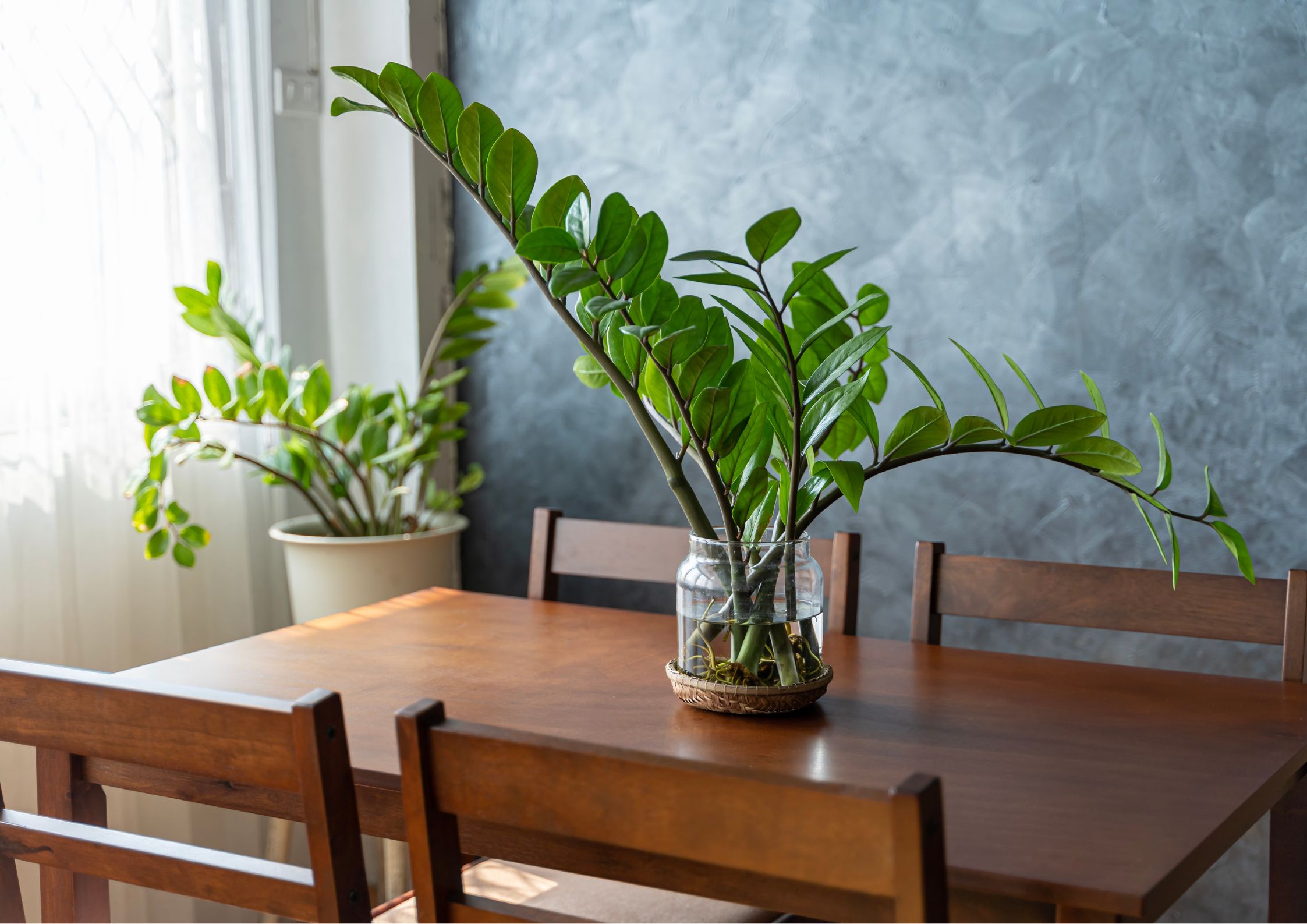
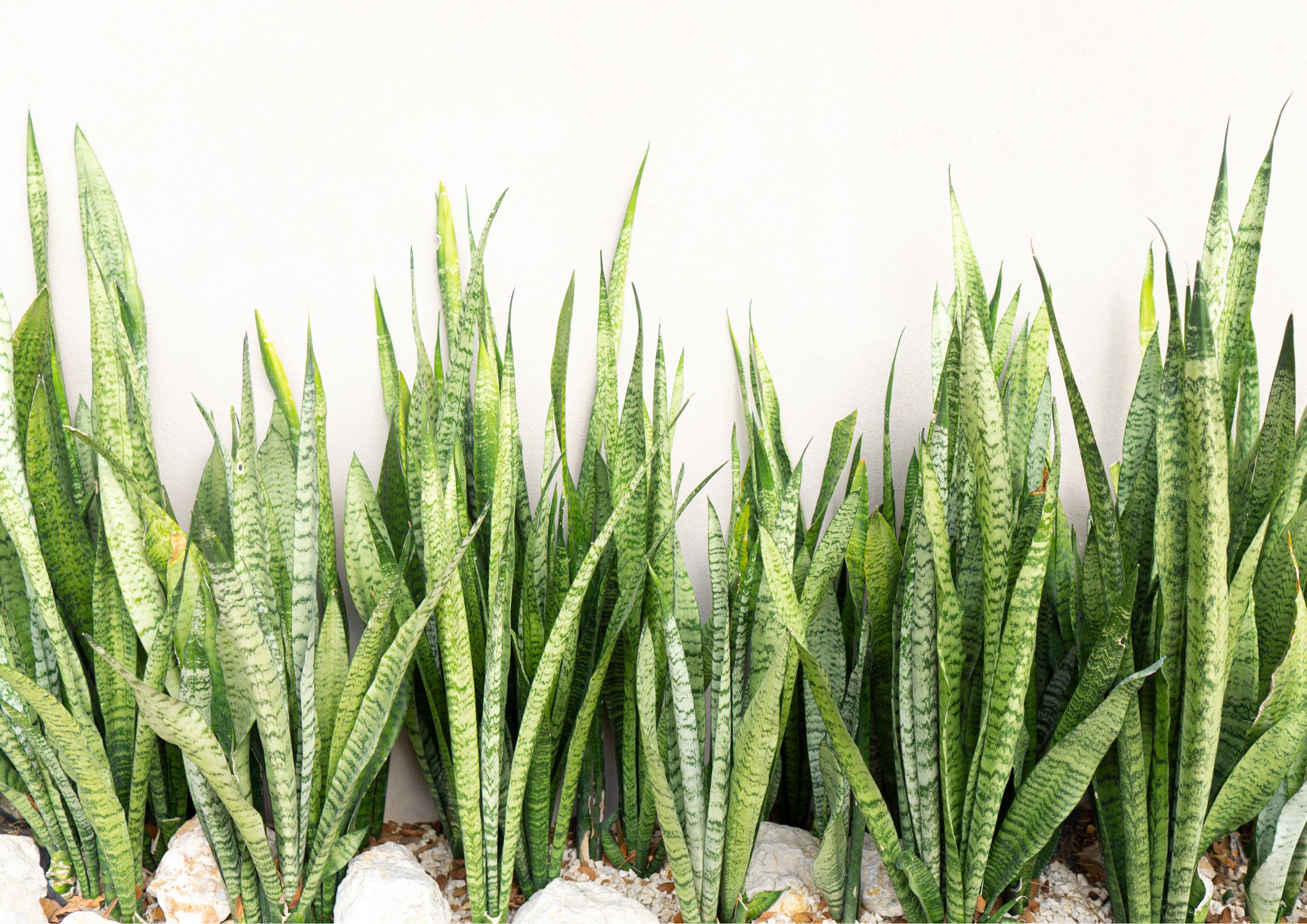
Low-maintenance plants: Opt for plants that require less care, such as Sansevierias, Zamioculcas and Philodendron.
Shade-tolerant plants: Consider plants that thrive in less light, such as Pothos (Epipremnum aureum) and Calathea.
Maintenance and additional care
Pest control: Inspect plants regularly for signs of pests and disease, especially in warm, dry environments.
Proper watering: Avoid overwatering, as plant growth slows down in winter. Water only when the top layer of soil feels dry to the touch.

Maintenance and additional care
Pest Control: Regularly inspect the plants for signs of pests and diseases, especially in warm, dry conditions.
Proper Watering: Avoid overwatering, as plant growth slows in winter. Water only when the top layer of soil feels dry to the touch.
4. Vegetable garden: harvesting and sowing
Managing the kitchen garden in January
January is a quieter month in the kitchen garden, but that does not make it any less important. Although tasks are more limited due to the region's winter climate, there are essential actions you can carry out to ensure the health and productivity of your kitchen garden.
Harvesting winter vegetables
Ongoing harvest: Take advantage of the opportunity to pick winter vegetables that are still at their best, such as cabbages, winter lettuces, spinach, chard and broccoli.
Careful handling: Harvest vegetables during the warmest hours of the day to avoid cold damage.
Sowing winter crops
Broad beans and peas: These crops are ideal for sowing in January. They cope well with the cold and usually germinate well at this time of year.
Soil preparation: Make sure the soil is well drained and enriched with compost or organic manure to give the seeds a good start.
Frost protection: If temperatures drop significantly, consider using plastic tunnels or horticultural fleece to protect young plants.
Planning and preparation for spring
Space planning: Use this quieter time to plan next season's sowings and crop rotations.
Soil preparation: Start preparing the areas of the kitchen garden that will remain idle until spring. Aerate the soil and add amendments if needed.
General kitchen garden maintenance
Weed control: Keep the kitchen garden free of weeds to stop them competing with your crops for nutrients and water.
Tool check: This is a good time to clean, sharpen and repair your gardening tools.
5. Lawn