February heralds the onset of spring, a transitional month in which our garden slowly begins to awaken. Although temperatures remain cool, especially in the Mediterranean climate, it is the ideal time to plan the growing season and prepare plants for the months ahead. In this article, we tell you which key tasks you can carry out in February to keep your garden healthy and ready to bloom.
1. Fertilising: essential for your plants
February is the ideal time to start fertilising the garden and preparing the soil for spring growth. As the days lengthen and temperatures begin to rise, plants start to become active and need an extra boost of nutrients to strengthen themselves after winter.
Recommended fertiliser types
Organic and mineral fertilisers: The combination of compost, worm castings or manure with mineral fertilisers offers an optimal balance of nutrients.
Specific fertilisation: Fruit trees and young plants require special feeding to support their development and future flowering.
Fertiliser for acid-loving plants: Rhododendrons, azaleas and hydrangeas need specific fertilisers that maintain the soil at the right pH.
Recommended fertilising tips
Test the soil: Before applying fertiliser, check the state of the soil to identify which nutrients it really needs.
Apply in moderation: Too much fertiliser can be harmful. Always follow the doses recommended by the manufacturer.
Distribute evenly: Spread the fertiliser around the base of the plant, avoiding direct contact with the stem and leaves.
Avoid frosty days: If very low temperatures are expected, delay fertilising so you do not stimulate premature growth that could be damaged by the cold.
With these care tips, your garden will be well nourished and ready to welcome spring in full force.
2. Planting: renewal and freshness
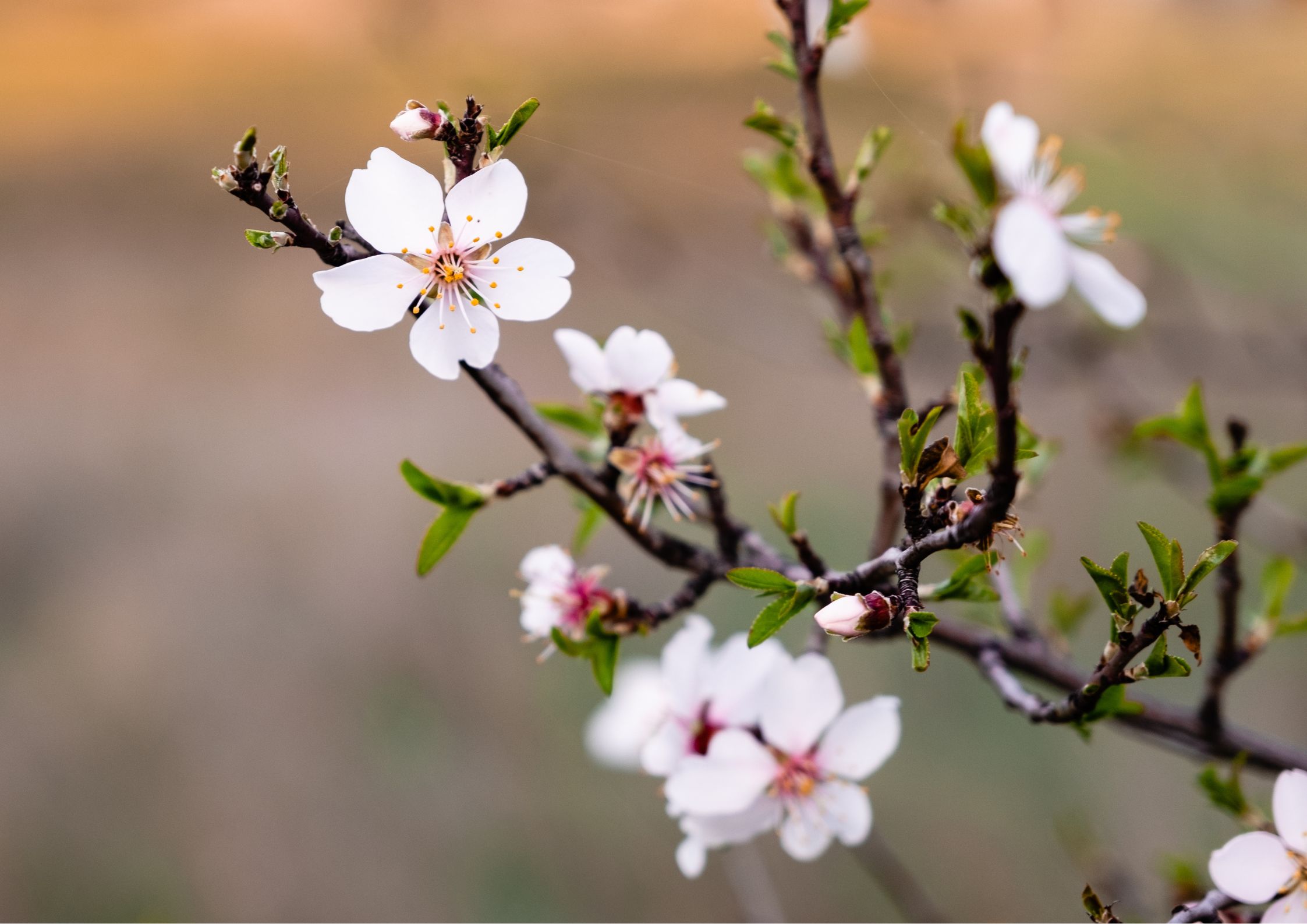
February is a key month for bringing new life to your garden. Despite the cold, many species can be planted now to bloom strongly in spring. Whether you want to add colour with hardy flowers or strengthen the landscape structure with trees and shrubs, this is the perfect time to act.
Cold-hardy flowers: a vibrant touch in winter
Primulas and violets: Brighten your garden with these colourful, resilient flowers, perfect for adding a vibrant touch even on the coldest days.
Gazanias: Ideal for borders and pots, they stand out for their hardiness and striking flowers that open with the sun.
Pansies: Their long flowering period and ability to withstand low temperatures make them an excellent choice for winter and early spring.
Trees and shrubs: strengthening the garden's structure
February is the ideal time to plant and transplant deciduous trees and ornamental shrubs. Winter dormancy minimises transplant stress and allows them to develop strong roots before the spring warmth.
Planting and transplanting: If you want to add new trees or move any to a different location, now is the perfect time.
Recommended species:
Fruit trees such as apple, pear and cherry trees can be planted this month to ensure a good harvest in the future.
Mediterranean shrubs such as lavender, rosemary and oleander, perfect for low-maintenance gardens.
Evergreen hedges such as laurel, viburnum or boxwood, ideal for creating natural divisions and protecting against the wind.
Extra tip: Remember to protect the roots of new plantings with a layer of mulch or organic mulch to retain moisture and shield them from the cold.
Take advantage of February to prepare your garden and give it a refreshed feel. Your green space will thank you in spring!
3. Indoor plants


February is the perfect time to pay special attention to your indoor plants, helping them recover after the colder months. With a few essential care steps, you will revitalise their growth and prepare them for the spring season.
Pruning and cleaning: A fresh start
Removing dry leaves and stems: inspect each plant and remove yellow or wilted leaves, dry flowers and damaged stems. This process encourages the growth of healthier, more vigorous new shoots.
Cleaning the leaves: dust built up during winter can block photosynthesis. Wipe them with a damp cloth or a soft sponge to improve their breathing and prevent pests.
Controlled humidity: winter heating reduces the humidity in the air. If you notice dry leaves or brown tips, increase the humidity by placing a container of water near the plants or using a humidifier.
Refresh your space with new indoor plants
February is also an excellent opportunity to add new plants to your home and give it a fresh, renewed feel.
Ideal indoor plants for winter:
Sansevieria (mother-in-law's tongue): hard-wearing and perfect for beginners.
Pothos (Epipremnum aureum): easy to care for and air-purifying.
Zamioculcas: thrives in low-light environments and with infrequent watering.
Ferns and Calatheas: ideal for bringing freshness and greenery to any corner.
Tip: play with pots of different heights and materials to create a more dynamic and decorative green corner.
Spring preparation: time to nourish them
With the arrival of March, plants begin to wake up and it is important to provide them with the right nutrients.
Resuming feeding: from March onwards, start fertilising with a specific feed for indoor plants.
Liquid fertilisers are ideal because they are absorbed quickly. Use them every 15 days.
Organic fertilisers, such as worm castings or compost tea, provide balanced nutrition without the risk of over-fertilising.
Important: do not over-fertilise, as growth is slower in winter and excessive feeding could harm the plant.
With this care, your indoor plants will be ready to bloom with all their energy in spring. Spend a few minutes pampering them and you will see the difference in their growth and beauty!
4. Vegetable garden: harvesting, sowing and soil preparation
As some winter crops come to an end, it’s time to prepare the soil and start sowing new cold-hardy vegetables. With a few simple care steps, you’ll ensure a plentiful, healthy harvest in the months ahead.
Preparing the ground for spring
Before sowing, it is essential to condition the soil so your crops grow strong and healthy.
Soil cultivation
Use tools such as hoes or cultivators to break up the surface crust and improve soil aeration.
Turn over the soil to improve the absorption of water and nutrients.
Weed control
Pull out weeds and remove any remains of previous crops to avoid competition for nutrients.
You can add a layer of compost to enrich the soil and encourage the growth of beneficial microorganisms.
Sowing cold-hardy crops
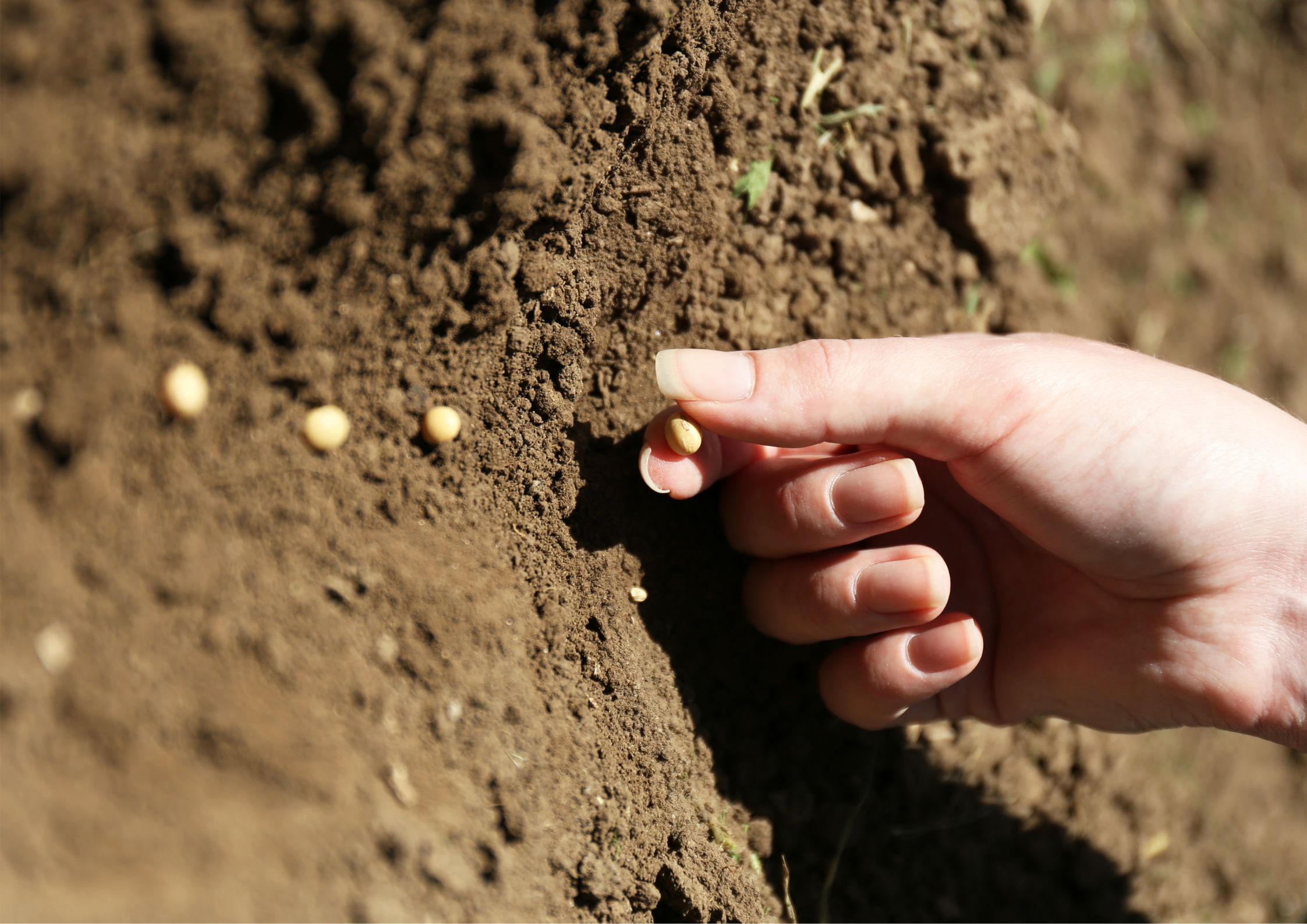
In February, temperatures are still cool, but there are many vegetables that can be sown and develop without any problems.
Ideal crops for early sowing
Onions, radishes and peas:Easy to grow and with relatively short growing times.
Lettuce and spinach– Perfect for the colder months and ready to harvest in just a few weeks.
Garlic and onion– Sowing them in winter ensures strong growth and an abundant harvest in spring.
Tip:If you live in an area at risk of frost, cover the crops with frost protection fleece to protect them.
Harvesting winter vegetables
Some crops are still at their best in February, so take the opportunity to harvest them at their peak.
Brussels sprouts and leeks:They usually reach their best flavour after the first cold spells of winter.
Chard and kale:Cold-hardy and with tender leaves ready for cooking.
Carrots and turnips– You can harvest them once they reach the right size, before temperatures rise too much.
Extra tip:After harvesting, cover the soil with mulch or straw to retain moisture and prevent erosion until the next sowing.
With these tasks, you’ll prepare your vegetable garden for a productive and healthy season. Dedicate a few hours to your garden in February and enjoy an abundant harvest in the months ahead!
5. Lawn