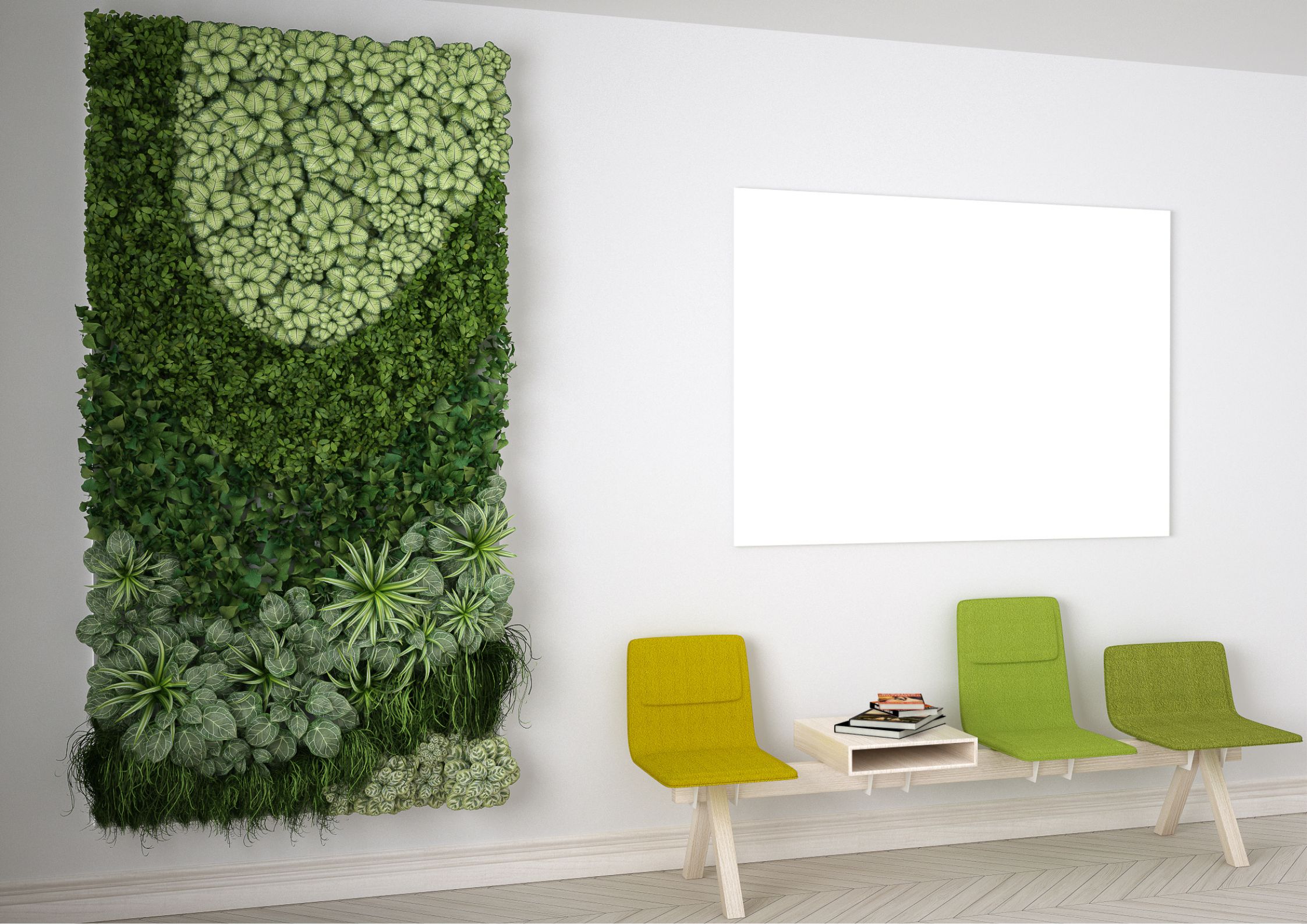
Vertical gardens have gained popularity in recent years, becoming an aesthetic and functional solution for maximising space and improving air quality indoors and outdoors. In this article, we will explore what a vertical garden is, how to create one at home, and which plants to choose.
What is a vertical garden
A vertical garden is a structure designed for the cultivation of plants in a vertical position, using walls or specialised panels. Its history dates back to the Hanging Gardens of Babylon, one of the Seven Wonders of the Ancient World, where advanced irrigation systems were used to maintain lush terraces of vegetation.
In the modern era, the concept of vertical gardens was popularised by the French botanist Patrick Blanc, who developed innovative techniques for integrating plants into urban environments. His approach to green walls has been adopted worldwide, from residential buildings to public spaces and offices.
Vertical gardens not only enhance the surroundings, but also improve air quality, regulate temperature and encourage biodiversity in urban areas. Thanks to their versatility, they can be installed indoors and outdoors, adapting to different light and humidity conditions.
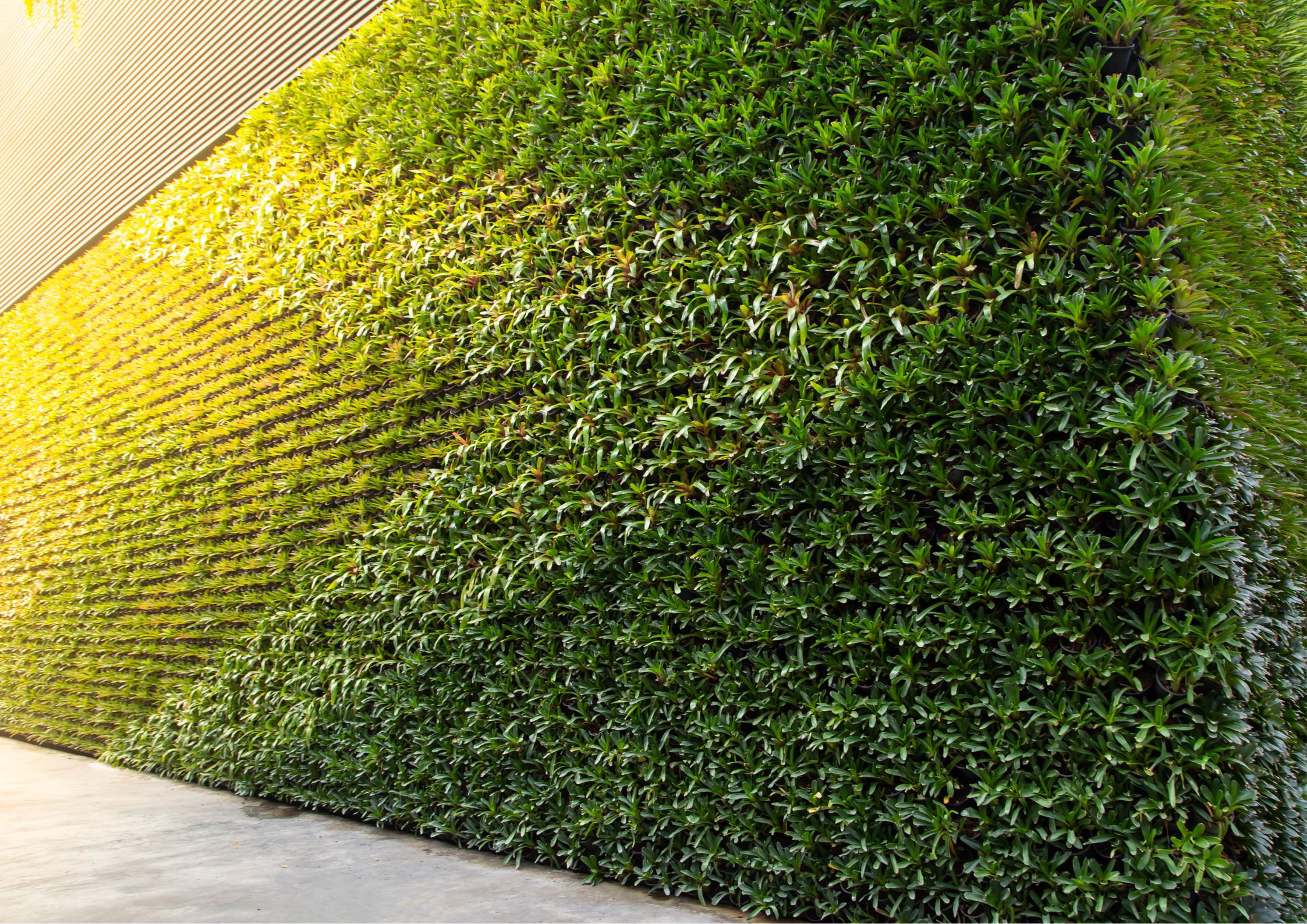
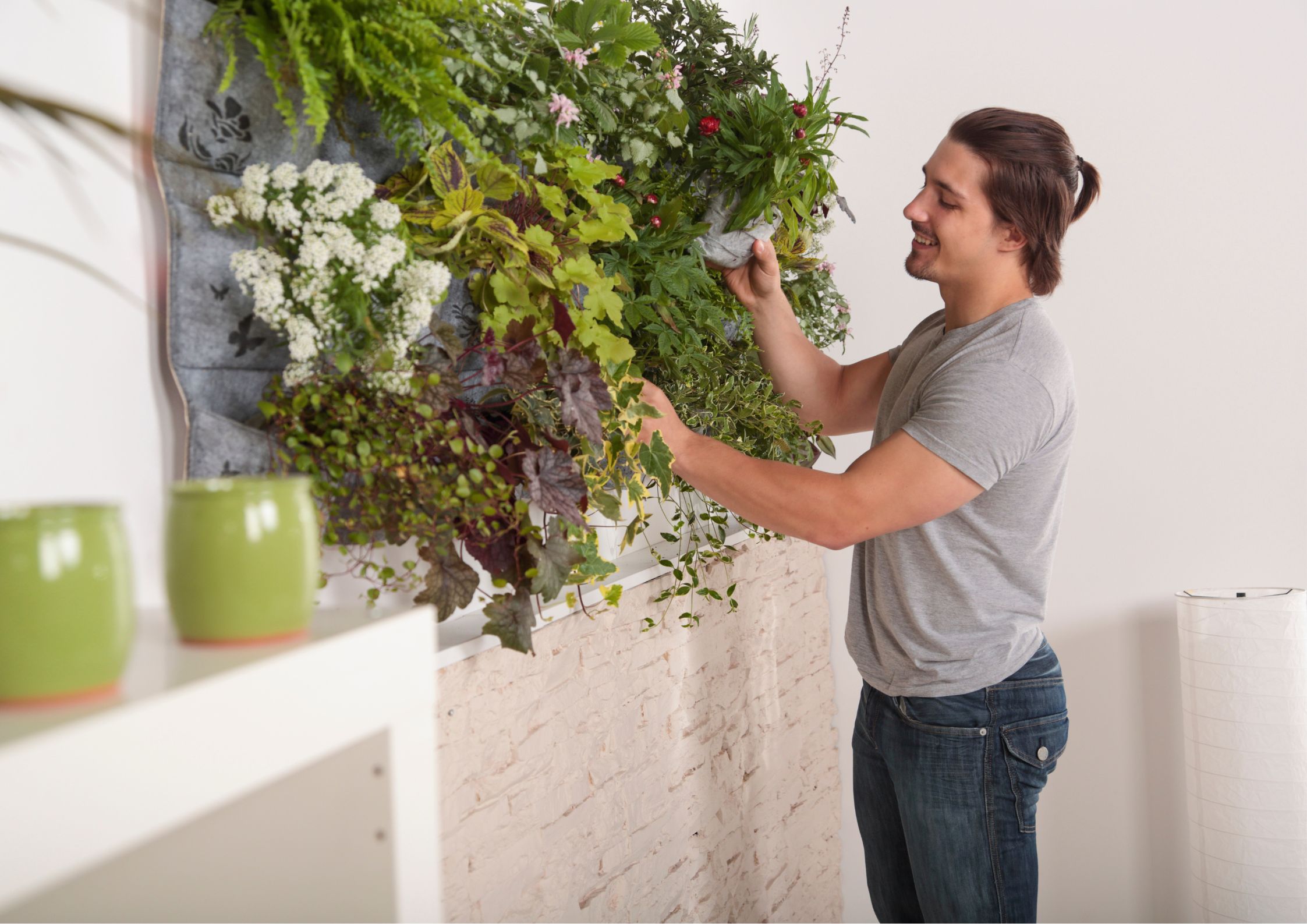
What elements make up a vertical garden?
To build a vertical garden, you need the following elements:
Support structure: It can be a wall, a modular panel or a felt bag system.
Substrate: The medium in which the plants will grow, such as coconut fibre, moss or a hydroponic substrate.
Irrigation system: It can be manual or automatic through drip irrigation to ensure even hydration.
Plants: The selection will depend on the environment and the available light.
Lighting: For indoor spaces, the use of LED lights is recommended to ensure proper growth.
Vertical gardens for indoor and outdoor spaces
Vertical garden for the living room
In indoor spaces, vertical gardens bring freshness and purify the air. You can use plants such as:
Ferns
Pothos (Epipremnum aureum)
Ficus pumila
Sansevieria
Orchids
If you are looking for a low-maintenance vertical garden, you can choose artificial vertical gardens. These mimic the appearance of natural plants without the need for watering or special care.
Vertical garden for outdoor spaces
If you have a balcony, terrace or garden, a natural vertical garden can enhance the aesthetics and comfort of your space. Some recommended outdoor plants are:
Ivy (Hedera helix)
Lavender
Jasmine
Geraniums
Succulents
They are resistant to sun and rain, and offer a realistic finish with no maintenance effort.
How to make a vertical garden at home
If you want to create your own home vertical garden, at Eiviss Garden we encourage you to follow these steps before getting started:
Select the location: decide whether it will be indoors or outdoors and how much light it will receive.
Choose the structure: you can opt for recycled pallets, wooden panels or prefabricated systems.
Set up the irrigation system: a drip irrigation system is ideal for keeping the garden effortless to maintain.
Add the right substrate: use light soil or coconut fibre to encourage drainage.
Plant the chosen species: make sure to combine them according to their light and humidity needs.
Eiviss Garden: Your partner in vertical gardens
At Eiviss Garden, we specialise in vertical gardens and offer you three different types: natural, artificial and preserved. We will be delighted to advise you according to the location and size you decide to purchase. Come to our Garden Center and ask in the flower shop. We will help you find the best option to transform your space with a unique vertical garden full of life!