September marks a turning point in the garden. Although the calendar announces the end of summer, in the Mediterranean climate, this month can still bring high temperatures, plenty of sunshine, and dry spells, especially during the first few weeks.
Therefore, it is not a matter of suddenly changing your garden care with the arrival of September, but rather of adapting it progressively. It is the perfect time to revive plants worn down by the heat, check irrigation, prepare the soil, and start planning autumn planting.
Moreover, after several months of intense heat, September allows us to observe which species have responded best to the summer and which have required more water or maintenance. This is highly valuable information if we want to achieve more resilient, sustainable Mediterranean gardens that are adapted to the environment.
What should you plant in September? Should you start reducing watering? Is it time to fertilise or prune? In this guide, we review the main gardening tasks for September in a Mediterranean climate, for the garden and patio as well as the veg patch, lawn, and houseplants.
1. Reviving the garden after the summer
Before thinking about everything we can plant in autumn, it is worth pausing to observe how our garden has fared by the end of summer.
The heat, solar radiation, and high water demands of the previous months may have left plants weakened, areas dry, or compost compacted. September is an excellent time to give the garden a quick tune-up.
These are some of the tasks we recommend:
Remove dry or damaged leaves, flowers, and branches to promote plant health and improve their appearance.
Check plants affected by the sun or heat before deciding whether they need pruning, fertilising, or simply time to recover.
Inspect the irrigation system, especially drippers, sprinklers, and timers after several months of intensive use.
Check the condition of the substrate and soil. If it is highly compacted, you may need to aerate it and add organic matter.
Top up the mulch in areas where it has broken down. This will help retain moisture and protect the soil.
Look out for potential pests and diseases, especially on plants that have ended the summer in a weakened state.
Analyse which species performed best and which required too much water, protection, or maintenance.
This final point is particularly interesting. A well-designed Mediterranean garden should not constantly fight against the climate, but work with it. Observing how our garden responds during the most demanding months helps us make better decisions for future planting.
2. How to water your garden in September
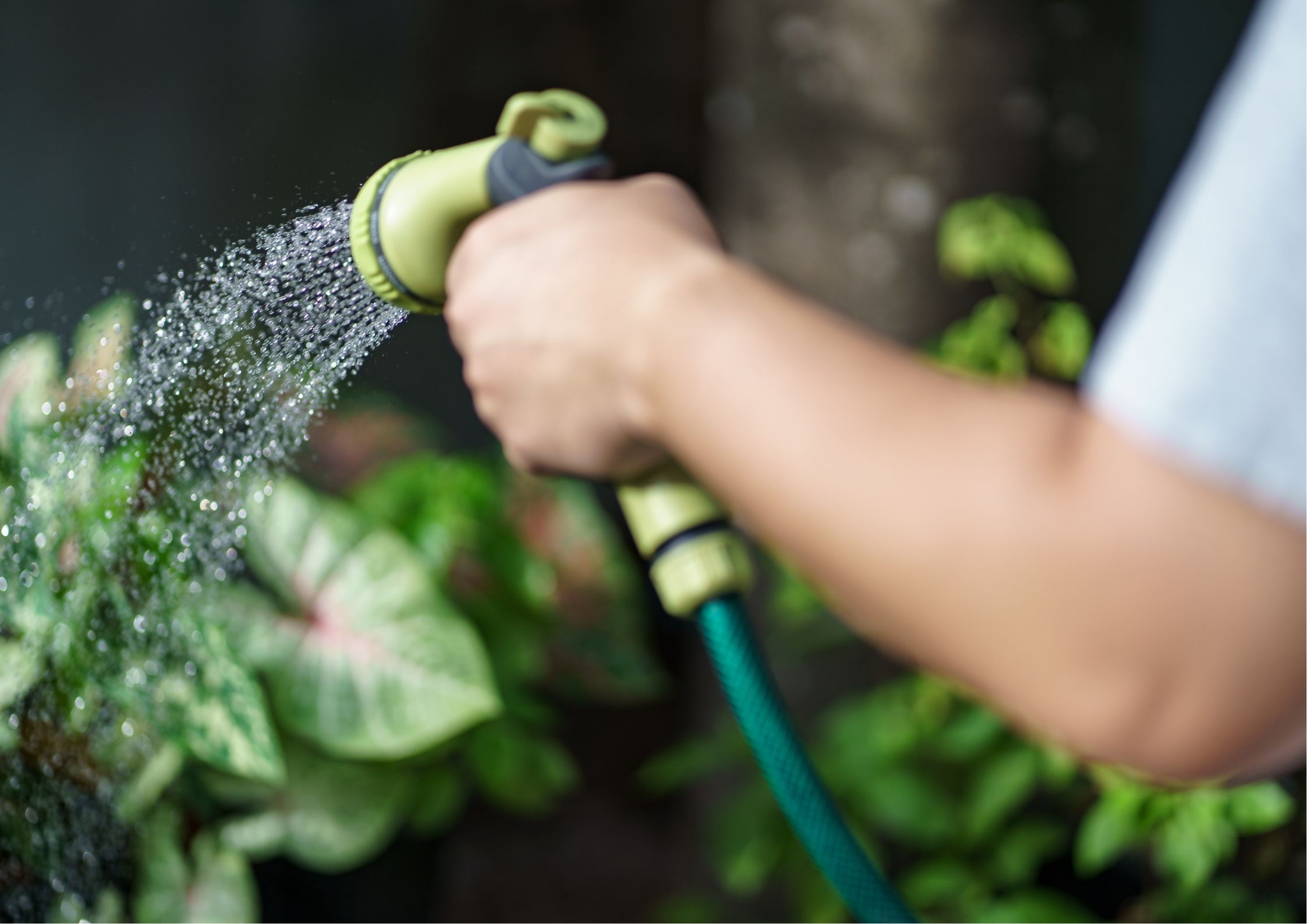
One of the most common mistakes at the end of August is automatically reducing watering because September has started. The calendar alone should not dictate when or how much we water.
In a Mediterranean climate, September can remain warm and dry, meaning that watering needs will depend on temperatures, rainfall, sun exposure, soil type and, of course, the specific plant species we have.
As temperatures begin to drop, we can progressively reduce the frequency of watering, but always by first observing the garden's actual needs.
A few recommendations:
Prioritise deep, less frequent watering over shallow, frequent watering, provided the plants' requirements allow for it.
Water preferably early in the morning to minimise water loss from evaporation.
Check the soil moisture level before watering again.
Adjust irrigation controllers after periods of rain.
Check that all drippers are functioning correctly and that no plant is receiving too much or too little water.
Maintain a layer of mulch to reduce evaporation and better conserve soil moisture.
Newly added plants require special attention. Even if temperatures start to cool down, establishment watering remains vital during their first few weeks.
3. How to fertilise the garden in September
After the summer, it can be tempting to fertilise the whole garden to help it recover, but not all plants need fertiliser, nor should they all receive it in the same way.
Before feeding your plants, observe their condition. A severely dehydrated plant, one stressed by the heat, or one with root issues needs to recover from that stress first. Where appropriate, September can be an excellent time to replenish nutrients and improve soil conditions.
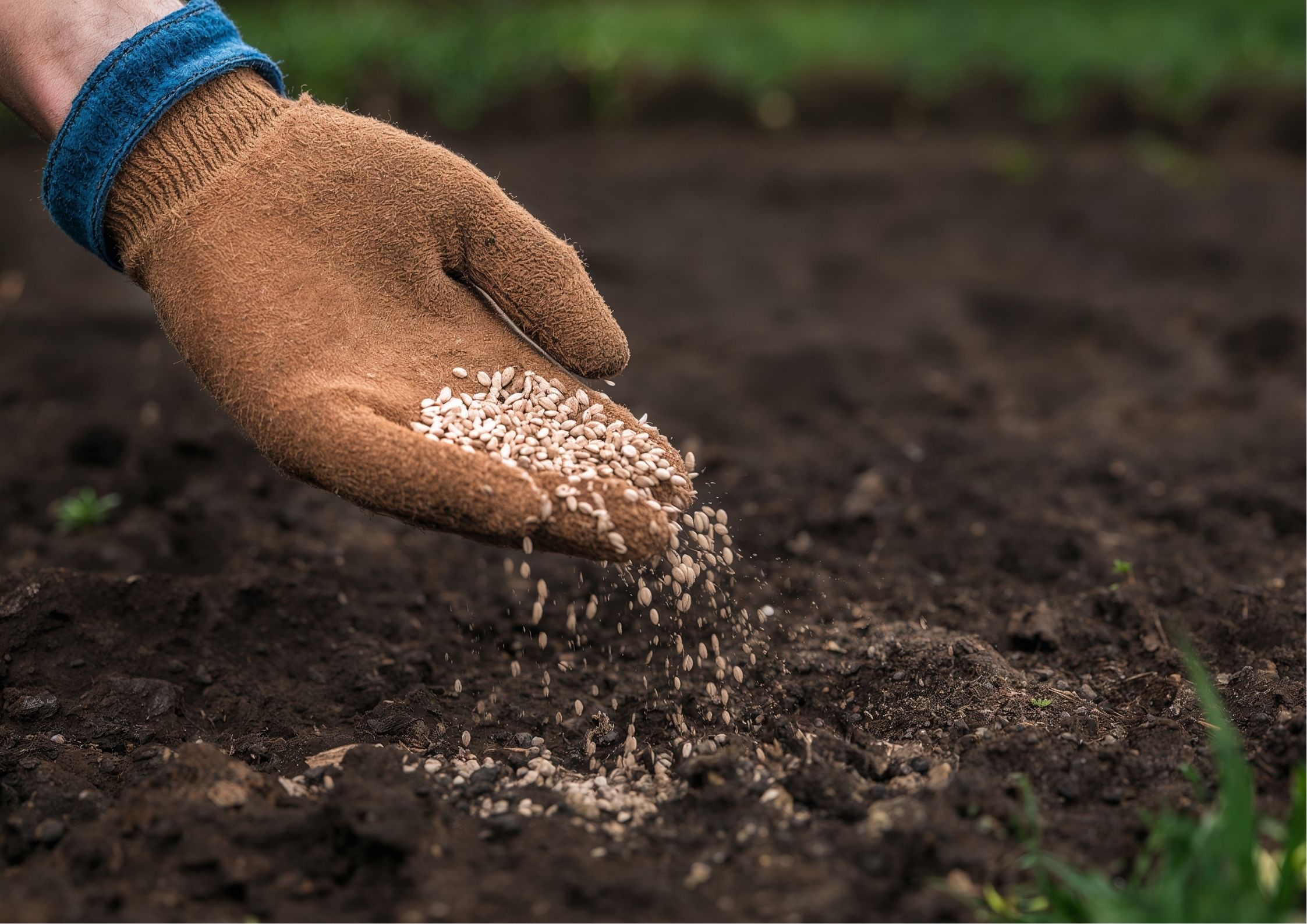
Slow-release fertilisers
These release nutrients progressively, helping to maintain a more consistent nutrient supply over several weeks. It is important to always choose a formulation suitable for each plant type.
Fertilisers for potted plants
Plants grown in containers have a limited volume of compost, and their nutrients can deplete more quickly. Feeding must be tailored to the species, the pot size and its growth rate.
Specific fertilisers for fruit and citrus trees
After months of growth and production, some fruit trees can benefit from targeted nutrition. Always use products suitable for each species and follow the recommended application rates.
Compost and organic matter
Well-rotted compost can help improve soil structure, add organic matter and enhance its water-retention capacity. September is a great time to assess the condition of your soil ahead of new autumn plantings.
Eiviss Garden Tip: Avoid fertilising plants that are severely dehydrated or during spells of intense heat. If you use fertiliser, apply it according to the product instructions and on soil with an adequate moisture level.
4. What to plant in September in a Mediterranean garden?
September ushers in one of the most exciting times for giving your garden a fresh start. As temperatures begin to cool down, the soil retains much of the warmth built up over the summer, creating increasingly favourable conditions for new root growth.
However, this does not mean we can rely solely on autumn rainfall. In many Mediterranean areas, September can still be dry, and new plantings will require proper watering to help them establish.
Seasonal bedding plants
As the heat subsides, we can begin to introduce new blooms. Chrysanthemums, asters and, once conditions turn cooler, pansies and other seasonal species can bring colour back to your garden or terrace.
Trees and shrubs
Autumn is an excellent time for planting many trees and shrubs, as they can spend the coming months developing their root systems ahead of next summer.
It is a great time to start incorporating species well-suited to the Mediterranean climate, always selecting them based on aspect, soil type, available space and the specific needs of your garden.
Strawberry trees, laurels or carobs are just a few examples, but there are many other possibilities.
Mediterranean aromatic herbs
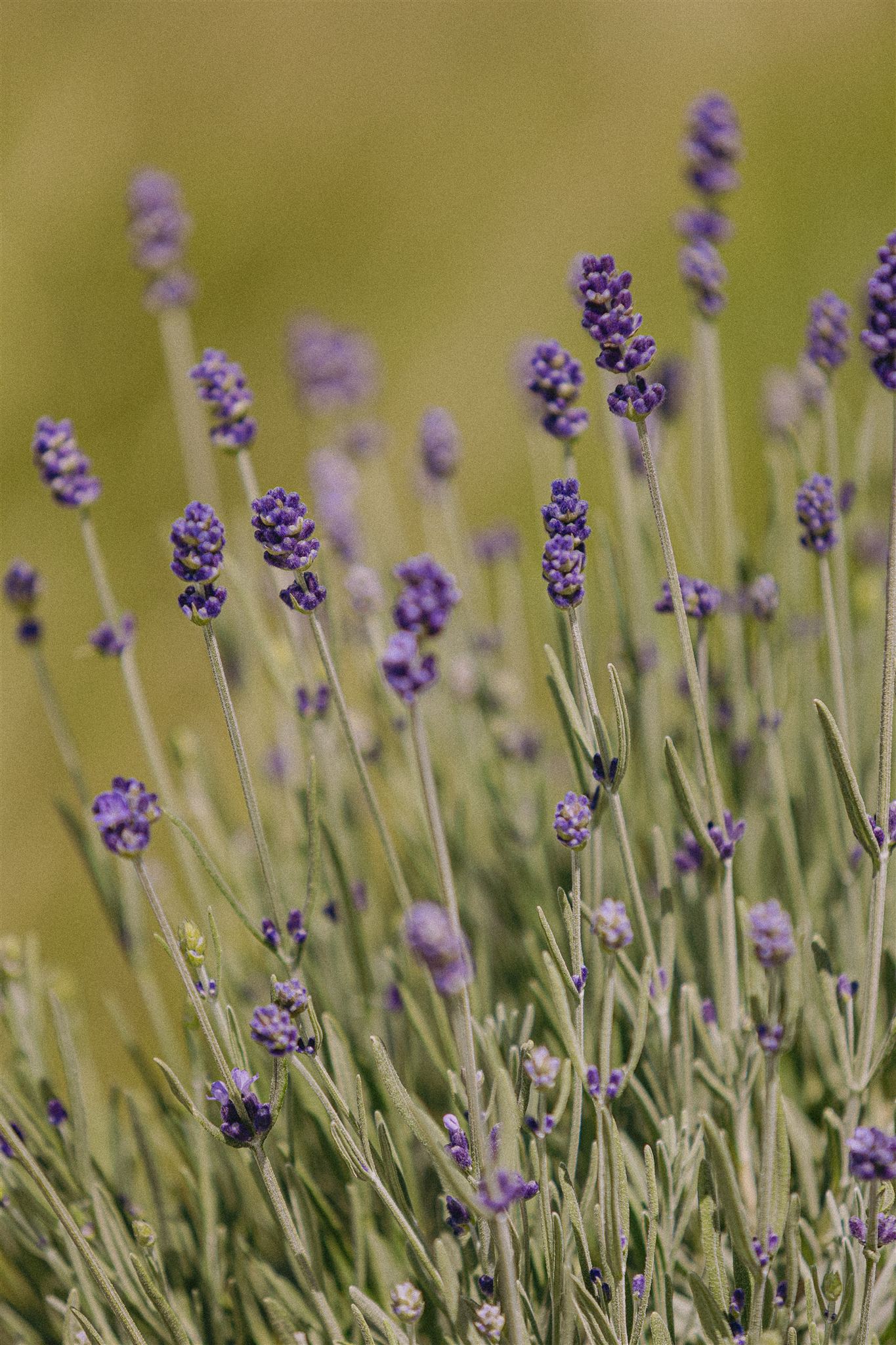
Rosemary, lavender, thyme or cotton lavender are particularly excellent choices for Mediterranean gardens. Along with their ornamental and aromatic appeal, once established they adapt extremely well to hot conditions and periods of dry weather.
Climbing plants
We can also plan the addition of climbing plants to cover pergolas, walls or structures. Choose the species based on its aspect, hardiness and specific requirements, particularly when dealing with frost-sensitive varieties.
Ground cover plants
Ground cover plants help fill bare spots, create more natural schemes and, depending on the species, reduce direct exposure of the soil to the elements.
Creeping thymes and other Mediterranean species can work exceptionally well in low-maintenance gardens.
Eiviss Garden Tip: Before planting anything new, check the soil drainage and condition. Choosing the right species and preparing the soil properly is far more important than trying to correct a poorly chosen spot later on.
5. Which bulbs should you plant in September?
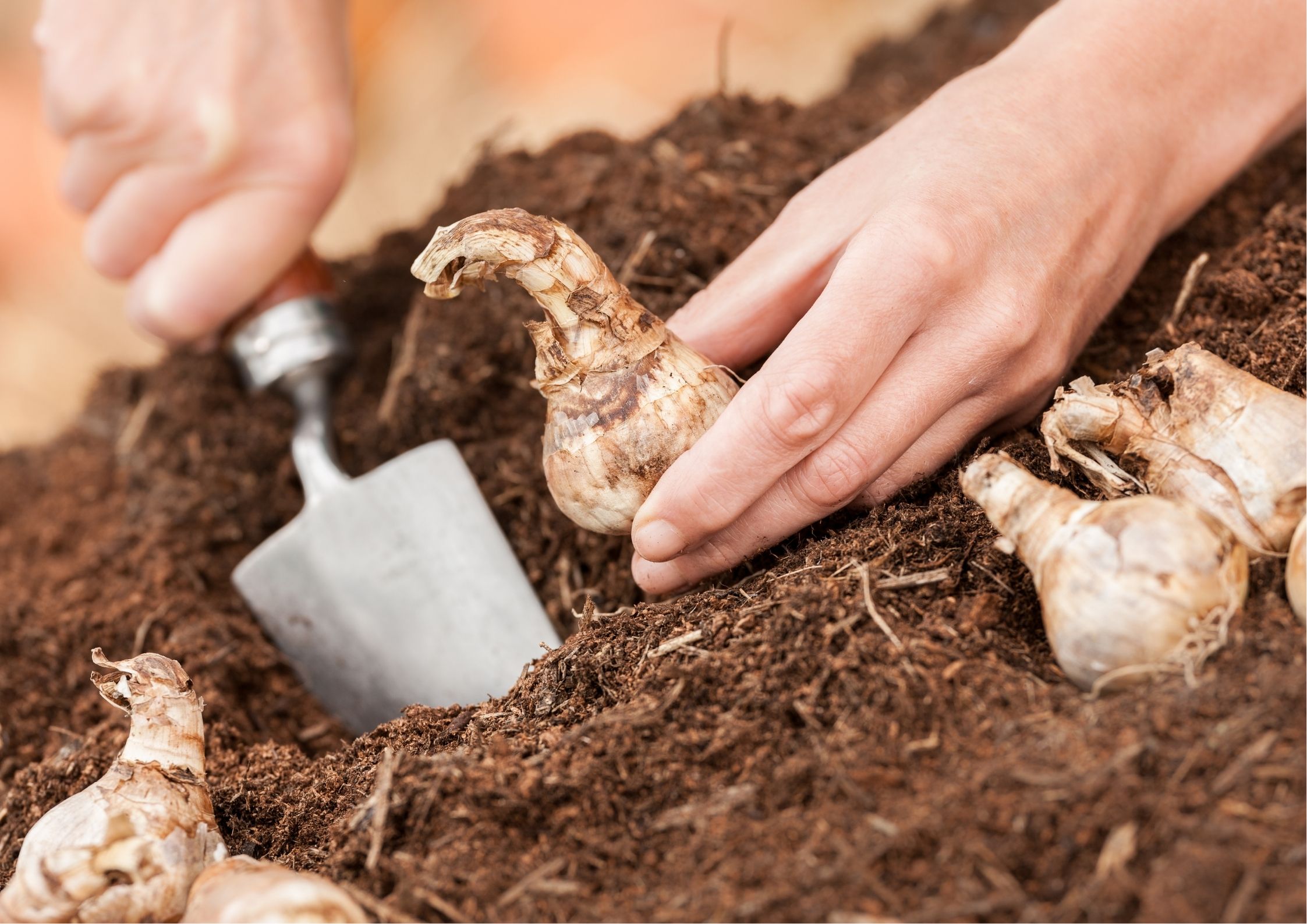
September also marks the start of the season for many bulbs that will flower during winter and spring, but they should not all be planted at exactly the same time.
From late September onwards, and always depending on local temperatures, you can start planning to plant some daffodils, crocuses and hyacinths.
For tulips, it is best to wait for cooler temperatures, usually until later in autumn.
Before planting bulbs, make sure the soil has good drainage. Excessive moisture around the bulb can cause it to rot.
And remember: even though it might look like nothing is happening for a few weeks, the work we will see blooming months later is already starting underground.
6. What to prune in September?
September can be a great time for light maintenance and tidy-up pruning, but this should not be taken as an invitation to heavily prune every plant in the garden.
You can:
Remove dry, broken or damaged branches.
Deadhead faded flowers when appropriate for the species.
Clean up parts of the plant damaged during the summer.
Lightly trim plants that have lost their shape.
Structural or heavy pruning should be carried out according to the needs and life cycle of each species, and is best avoided during spells of hot weather.
Before pruning, always research the specific plant: not all of them respond in the same way or share the same optimal pruning time.
7. What to plant in the kitchen garden in September?
September is a particularly exciting month in the kitchen garden as it combines the last of the summer harvests with the start of autumn and winter crops.
Last summer harvests
Tomatoes, peppers, aubergines, courgettes, cucumbers and some herbs can continue producing depending on the weather and when they were planted.
Gradually clear crops that have finished their cycle and take the opportunity to clean and prepare the ground.
Autumn sowing and planting
Depending on the temperatures in your area, September can be a good time to start with:
Broccoli
Cabbages
Swiss chard
Spinach
Lettuce
Rocket
Radishes
Carrots
Turnips
Onions
In areas where September remains particularly hot, some leafy crops may need protection during the peak hours of sunlight, or you might need to wait for temperatures to drop a bit further.
Preparing the ground
Aerate the soil, remove the remains of spent crops and add compost or organic matter where necessary. Crop rotation can also help maintain a more balanced kitchen garden.
Adjusting irrigation
Do not cut back on watering automatically. Reduce it progressively depending on the temperature and rainfall, avoiding keeping the soil constantly waterlogged.
Pest and disease control
Keep checking leaves, stems and fruit. Aphids, caterpillars and certain fungal issues can still appear during this time.
8. Indoor plant care in September
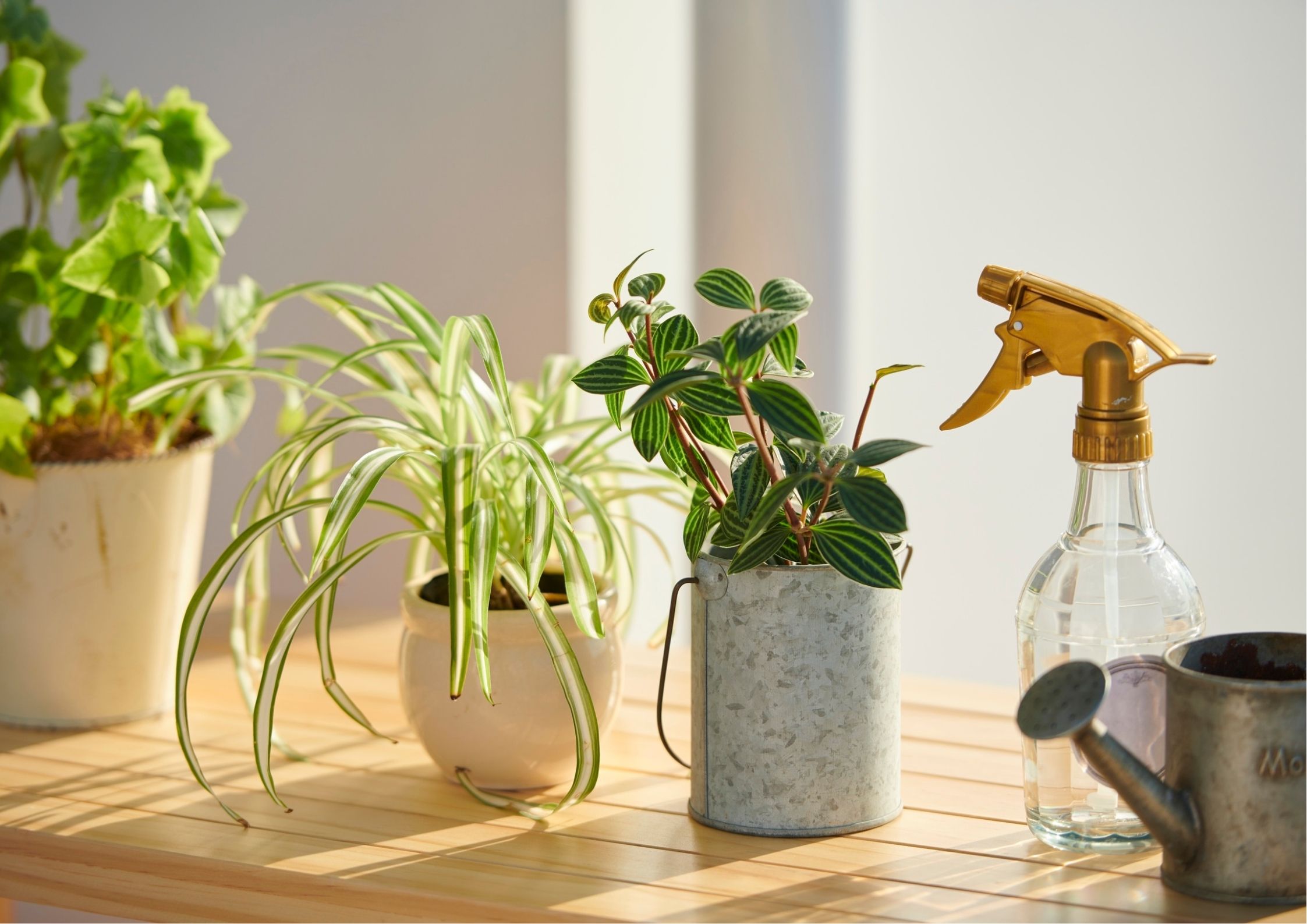
The change of season can also alter conditions inside the home. Daylight hours gradually decrease and room temperatures can change, so it is best to adapt your care to the response of each plant rather than simply following the calendar.
Check natural light
Observe how the light coming into your home changes and move plants closer to brighter spots when necessary, always keeping the needs of each species in mind.
Rotating the pots periodically can encourage more balanced growth.
Adapt watering
As temperatures cool and growth slows down, many plants will need less water. Always check the substrate before watering again and avoid leaving standing water in saucers.
Clean and check leaves
Wipe away accumulated dust and take the opportunity to inspect the undersides of leaves and stems. Catching mealybugs, spider mites or other pests early makes control much easier.
Adjust feeding
There is no need to automatically stop fertilising just because autumn is arriving. If the plant is still actively growing and has good light conditions, it may continue to need nutrients. If its growth begins to slow down, gradually reduce feeding according to the needs of the species.
It is also a good time to start thinking about where plants that are particularly sensitive to temperature fluctuations will spend the cooler months.
9. How to revive your lawn after summer
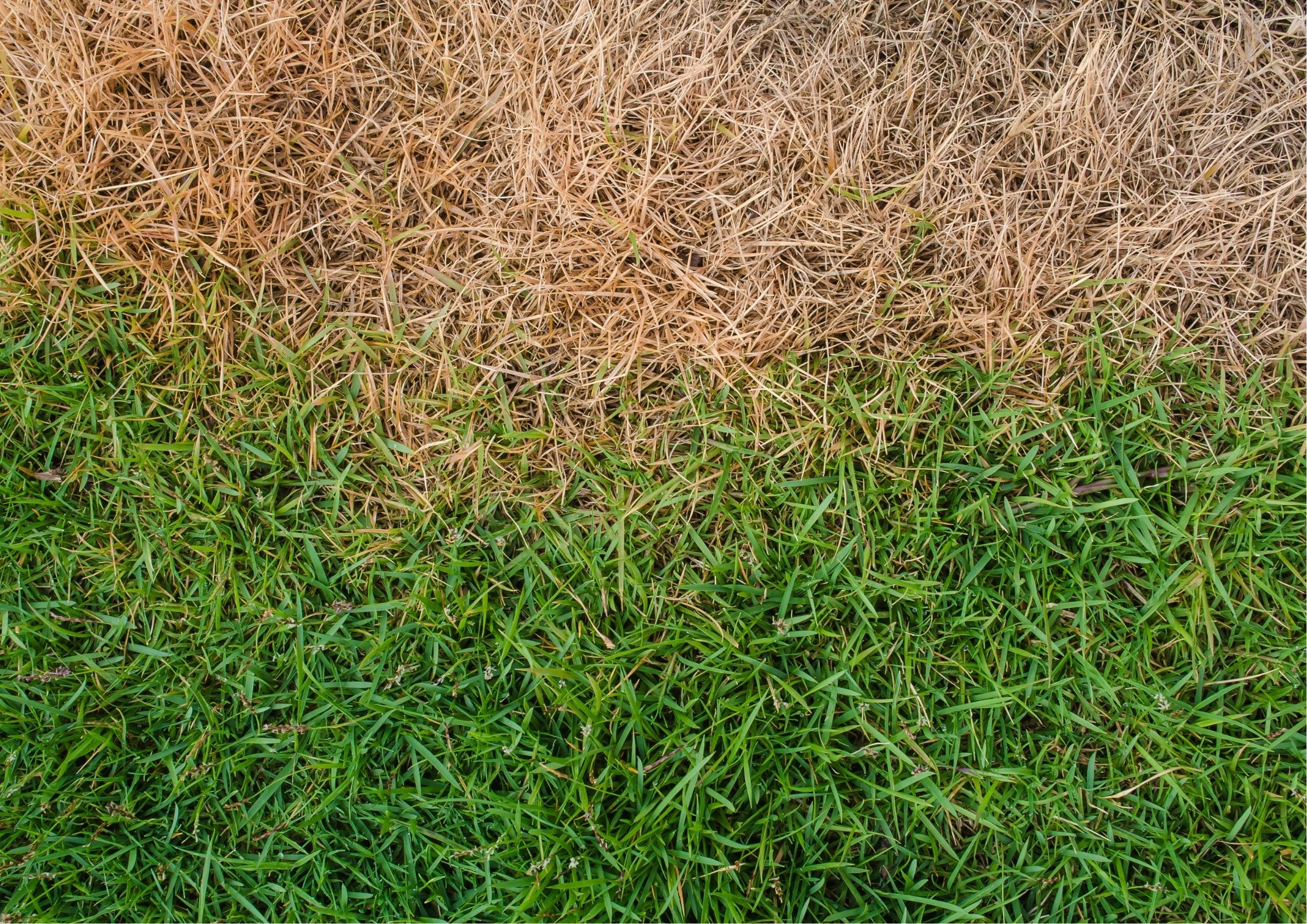
Summer can leave lawns with yellowing, dry or compacted patches. With temperatures gradually turning milder, September offers a great opportunity to assess the damage and start restoring your lawn.
Check your watering
First, check if the damaged areas are linked to coverage issues with your irrigation system. A poorly adjusted sprinkler can leave dry patches while other areas receive too much water.
Adjust the mowing height
Avoid mowing the lawn too short, especially if it is still warm. Keeping the grass at a suitable height helps reduce stress.
Aeration
If the soil is heavily compacted, aerating it will help water, oxygen and nutrients reach the roots more easily.
Scarifying and overseeding
Depending on your lawn type, its condition and local temperatures, this can be an ideal time to consider restoration tasks like scarifying or overseeding. Not all grass varieties require the same treatment, so it is important to first identify what type of lawn you have.
Fertilisation
If your lawn needs it, apply a fertiliser suitable for the autumn season and always follow the application guidelines.
10. Checklist: 10 gardening jobs for September
If you want to prepare your garden for the change of season, here are 10 tasks worth looking at this month:
Check how your plants have coped with the summer.
Remove dry branches, leaves and spent flowers.
Inspect drippers, sprinklers and timers.
Adapt watering to the actual weather, not the calendar.
Check the soil condition and drainage.
Top up mulch where necessary.
Look out for potential pests and diseases.
Prepare the ground for autumn planting.
Begin seasonal sowing in the kitchen garden.
Plan which new plants you want to introduce over the coming months.
September: observe, restore and prepare
September does not mean summer vanishes overnight. In Mediterranean gardens, the transition into autumn is gradual, and our gardening care should be too.
Above all, it is a month for observation: seeing which plants have resisted the heat best, which ones need to recover, how the irrigation system is performing, and which areas of the garden can be improved for the next season.
Because achieving a more resilient garden is not just about watering or feeding more. The choice of species, design, orientation, soil and proper water management are essential for creating gardens capable of thriving in Mediterranean climatic conditions.
At Eiviss Garden, we work in Ibiza with a deep connection to the Mediterranean landscape and its flora. If you have questions about what to plant this autumn, how to restore your garden after the summer, or if you want to start a new landscaping project, our team will be delighted to help. Visit us and start preparing your garden for the new season.