August has arrived in full force and the garden can feel it. In the height of summer, high temperatures and intense sun exposure put our plants and gardens to the test. It is a month in which watering takes centre stage, but it is also key to observe, adjust and care for every detail. The good news? We have all the tips and gardening tasks for August. With a few mindful gestures, you can help your garden not only survive, but flourish even during the most demanding weeks of the year.

In this guide, we tell you which tasks are best to prioritise, which risks you should avoid and how to prepare your green space for the start of cooler temperatures. Because even in August, the garden is still alive… and it needs you.

1. Feeding

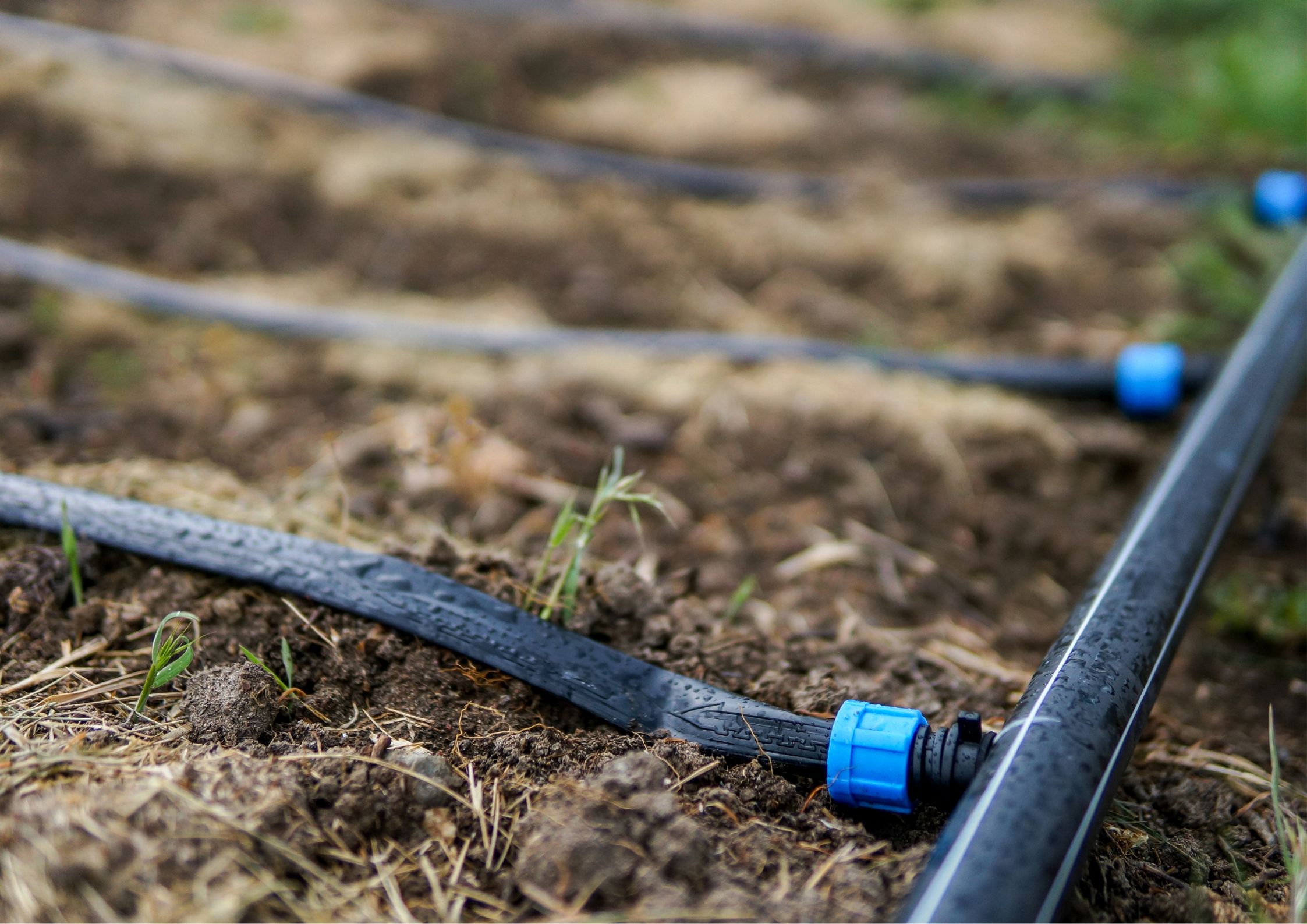
Efficient garden irrigation system for summer

During the month of August, extreme heat can be a challenge for our plants. It is crucial to adjust our fertilising practices to ensure our plants receive the nutrients they need without causing them additional stress.

Suspending fertilising for flowering and indoor plants

In August, it is advisable to suspend fertilising flowering and indoor plants. High temperatures can cause plants to scorch or become stressed, and adding fertiliser in these conditions can do more harm than good. Indoor plants and those in bloom are in a delicate phase, and it is best to wait until temperatures drop before resuming fertilising.

Fertilising rose bushes

For rose bushes, it is important to continue fertilising after their first flowering. Use a balanced fertiliser that encourages a second flush of blooms and strengthens the roots. Apply the fertiliser during the coolest hours of the day, early in the morning or at dusk, to minimise the risk of sun scorch.

Fertilising the lawn

The lawn also needs special attention during August. Use a spreader to apply the fertiliser evenly and make sure all areas receive the right amount of nutrients. Choose a slow-release fertiliser that keeps the lawn nourished throughout the month without overloading it.

Additional Tips

  • Watering after fertilising: Always water the plants after applying fertiliser to help the nutrients dissolve and be absorbed more effectively by the roots.

  • Type of fertiliser: For rose bushes and the lawn, consider using organic fertilisers such as compost or worm castings, which release nutrients steadily and in a balanced way.

  • Precautions: Make sure not to apply fertiliser directly onto leaves or flowers to avoid burning. Control the amount of fertiliser to prevent over-fertilising, which can be just as harmful as a lack of nutrients.

2. Planting

Although August is one of the most demanding months for gardening due to the extreme heat and lack of rainfall, it is still possible to bring the garden to life if the right species are chosen. The key is to opt for plants well adapted to the Mediterranean climate, able to withstand high temperatures and needing little watering. With a bit of planning and care, your garden will not only survive the summer, but can continue to grow strongly. Here are some recommendations for planting in August in Ibiza without compromising the health of the environment or your time.

Fruit trees

In August, you can continue planting fruit trees that adapt well to the warm, dry climate. Some excellent options include:

  • Fig tree (Ficus carica): This tree adapts perfectly to the Mediterranean climate and produces delicious figs in summer.

  • Pomegranate (Punica granatum): Resilient and decorative, the pomegranate offers showy flowers and tasty fruit.

  • Orange tree and lemon tree: Although it is best to plant them in spring, if you do so in August, they should receive generous watering and initial protection from the intense sun.

Ornamental trees

Adding ornamental trees to your garden in August can provide shade and structure all year round. Some ideal options are:

  • Olive tree (Olea europaea): Perfect for adding a classic Mediterranean touch, it is drought-tolerant and low-maintenance.

  • Cypress (Cupressus sempervirens): It provides structure and greenery all year round, and is also extremely drought-resistant.

Resilient shrubs

Shrubs are essential for creating aromatic, low-maintenance borders in your garden. Some recommended species are:

  • Lavender (Lavandula): With its purple flowers and soothing fragrance, it is ideal for borders and beds.

  • Rosemary (Rosmarinus officinalis): This aromatic shrub is heat-resistant and adds a Mediterranean touch.

  • Santolina (Santolina chamaecyparissus): Perfect for well-drained soils and full sun, it is ideal for aromatic borders.

Annual flowers

  • Gazania (Gazania rigens): These vibrant flowers withstand intense heat and bring bright colours.

  • Portulaca (Portulaca grandiflora): Ideal for sunny areas, its flowers come in a variety of colours and require little maintenance.

Perennial flowers

  • Echinacea (Echinacea purpurea): In addition to being decorative, it attracts pollinators and is very resilient.

  • Coreopsis (Coreopsis spp.): These yellow flowers are long-lasting and perfect for the Mediterranean climate.

Summer bulbs

  • Lilies (Lilium spp.): Planting them in August ensures a late bloom that will add a touch of elegance to your garden.

  • Amaryllis (Hippeastrum spp.): Although they are more commonly associated with winter, planting them now can surprise you with a late flowering.

3. Indoor plants

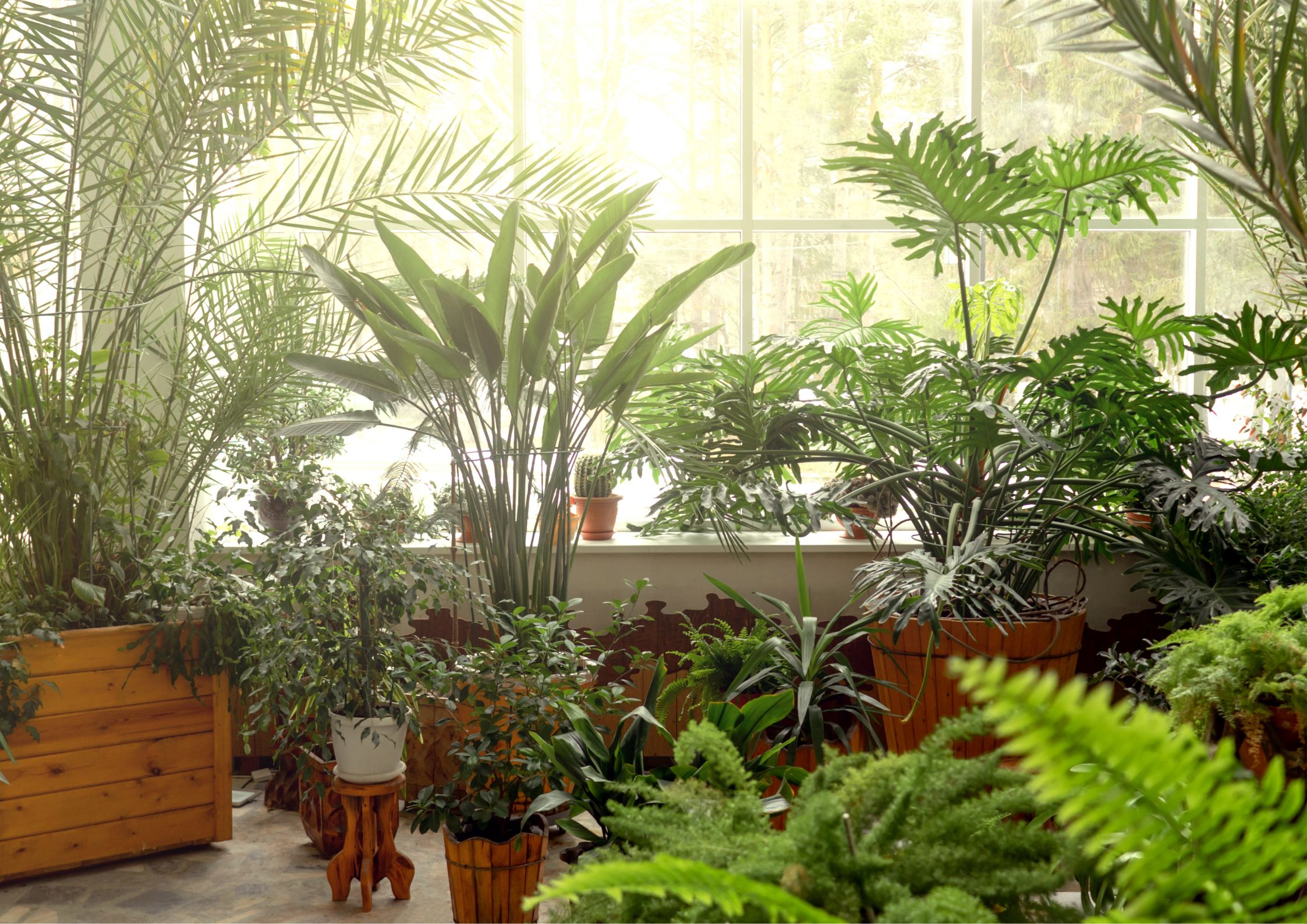
August heat doesn’t just affect outdoor gardens. Your indoor plants also feel the impact of high temperatures, strong light and dry air caused by fans or air conditioning. This month, more than ever, they need your attention. With a few simple care steps, you can keep them cool, healthy and vibrant even in the middle of summer. Here is a practical guide to pampering your indoor plants throughout August.

Protect your plants from the sun

Even if your plants are indoors, the sun’s rays can scorch their leaves if they are too exposed. To prevent damage, move any plants that are close to windows where they receive direct sunlight. A good time to take them outside is on a rainy day, as rain cleans their leaves, oxygenates them and improves their ability to breathe.

Watering during holidays

If you plan to be away during the holidays, it is important to plan how you will water your plants in your absence. There are several systems that can make this task easier:

  • Self-watering pots: these pots store water in a reservoir and release it gradually according to the plant’s needs.

  • Ceramic watering cones: these devices attach to a bottle of water and allow the water to seep slowly into the soil, keeping the growing medium moist without the risk of waterlogging.

What to plant in summer

Indoors, August is also a good month to sow certain species that can thrive from seed. Recommended options include:

  • Coleus (Solenostemon scutellarioides): with their colourful leaves and varied patterns, they are perfect for adding a splash of colour to your home.

  • Cyclamen (Cyclamen spp.): ideal for indoors, these plants offer vibrant flowers during the cooler months.

  • Primroses (Primula spp.): known for their bright, cheerful flowers, they are an excellent indoor choice.

To sow these species, use a mix of peat, worm humus and perlite to improve drainage and ensure healthy growth.

Essential care

Pause feeding: during August, stop fertilising your indoor plants. Intense heat can cause additional stress, and fertilisation could make the situation worse. Resume feeding in September when temperatures start to fall.

Watering and humidity: maintain a suitable watering routine. Water your plants as needed, making sure the top layer of the growing medium is dry before watering again. Avoid excess water and waterlogging, as they can lead to pathogens and root rot. Mist the leaves with distilled or limescale-free water at least twice a day to maintain humidity and prevent pests.

Pest prevention: red spider mite is a common pest during warm, dry months. Keep the environment humid to discourage its appearance. If you detect pests, apply a suitable acaricide for indoor plants.

Preparing for absences

If you plan to be away during the summer, make sure your plants have enough water and humidity. Group the plants together in a room with indirect light and use humidifiers to maintain the right environment. You can also consider automatic watering systems or ask someone you trust to look after your plants while you are away.

4. Kitchen garden

Heat-tolerant plants for the August garden
Maintaining the kitchen garden in the height of summer

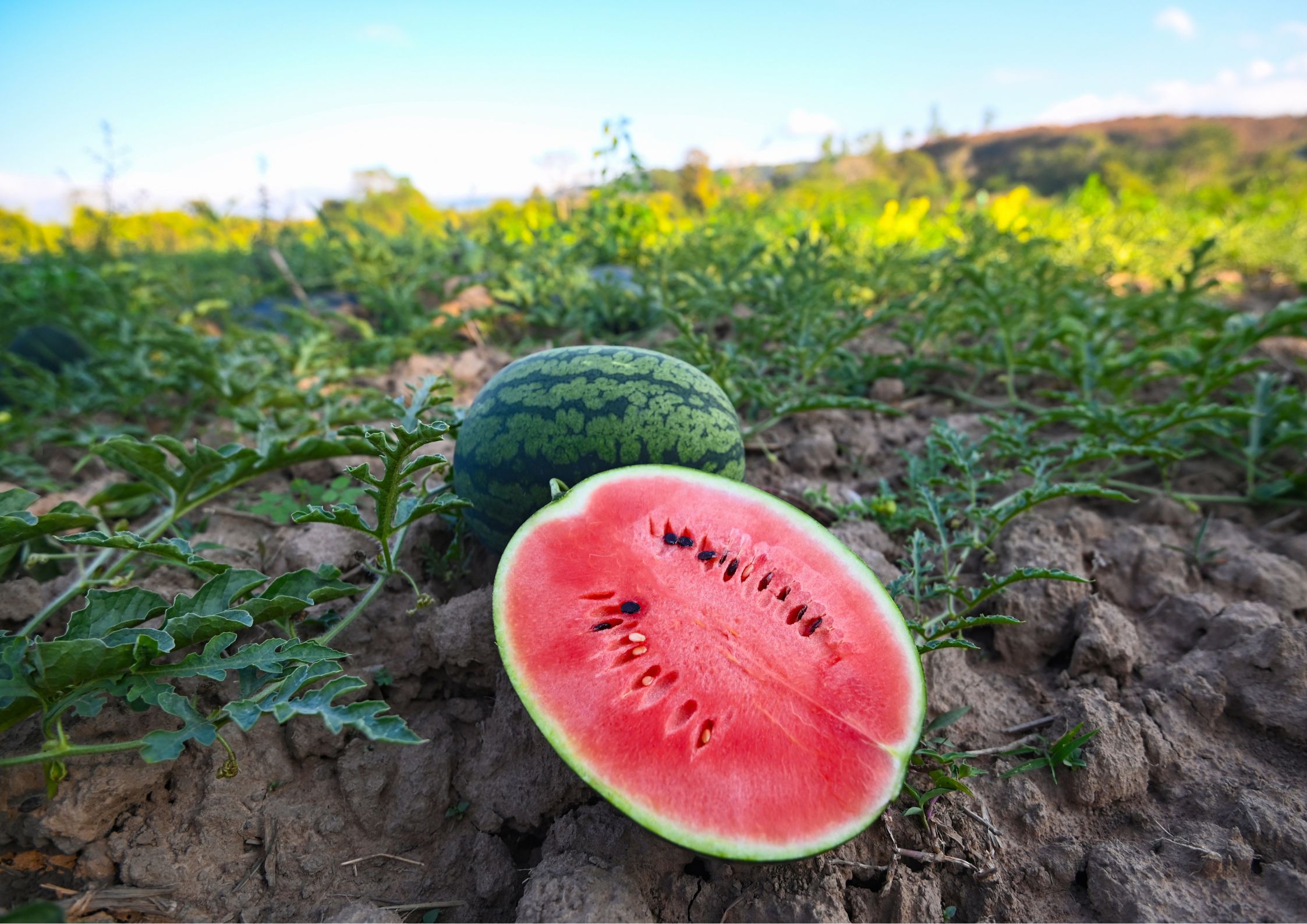
August is one of the most generous months in the kitchen garden, offering an abundant harvest of delicious fruit and vegetables. To ensure your crops stay at their peak, it is essential to pick them on time and give them the care they need.

Harvest at the right time

During August, it is essential to pick green beans before they become stringy and lose their tenderness. In addition, continue harvesting tomatoes, aubergines, peppers (which should be picked while they are still green), courgettes, kale, lettuces, watermelons and melons. These fruits and vegetables are at their best and need attention to prevent them from overripening.

Feeding the vegetables

The vegetables you sowed in July for the autumn and winter season now need a slow-release organic feed, such as compost, worm castings or mulch. This type of feed ensures healthy, continuous plant development. It is important to keep the beds well aerated and free of weeds so the vegetables can grow without competition.

Sowing in August

August is a crucial month for preparing your kitchen garden for autumn. Although the high temperatures can be a challenge, it is still possible to carry out new sowings successfully. An essential tip is to protect seed trays from direct sun. Placing the seed trays in a shaded area, such as under tomato or cucumber plants, can provide the shade and moisture young plants need to thrive.

What to plant in August

This month is ideal for planting a variety of vegetables that will ensure a continuous harvest throughout autumn and winter. Here are some recommendations:

  • Brassicas: Cabbage, broccoli and cauliflower.

  • Leafy vegetables: Endive, chicory and Swiss chard.

  • Roots: Carrot, beetroot and turnip.

  • Herbs and seasonings: Parsley and chives.

  • Other vegetables: Celery, beans, onion and maize.

It is essential to remember that sowings and transplants in hot weather require extra care, such as more frequent watering and protecting young plants from intense sun.

Do not stop sowing vegetables for the next season. Prepare the soil for autumn with a deep dig and add a slow-release organic fertiliser to the beds to ensure fertile, well-nourished ground. This effort will reward you with a productive and healthy kitchen garden when autumn arrives.

5. Lawn

Don't forget to share this article!

Don't forget to share this article!