In the world of gardening, few plants rival the exquisite beauty of cyclamen. Our Garden carried out an exciting cyclamen installation on 19 September, presenting a varied selection of sizes and colours to delight your senses. This article will take you into detail about the characteristics and care of cyclamen.
Cyclamen Characteristics
Cyclamen, also known as the "Alps violet", is a perennial plant that stands out for its visual appeal. Here we present some of its most notable characteristics:
Decorative Leaves
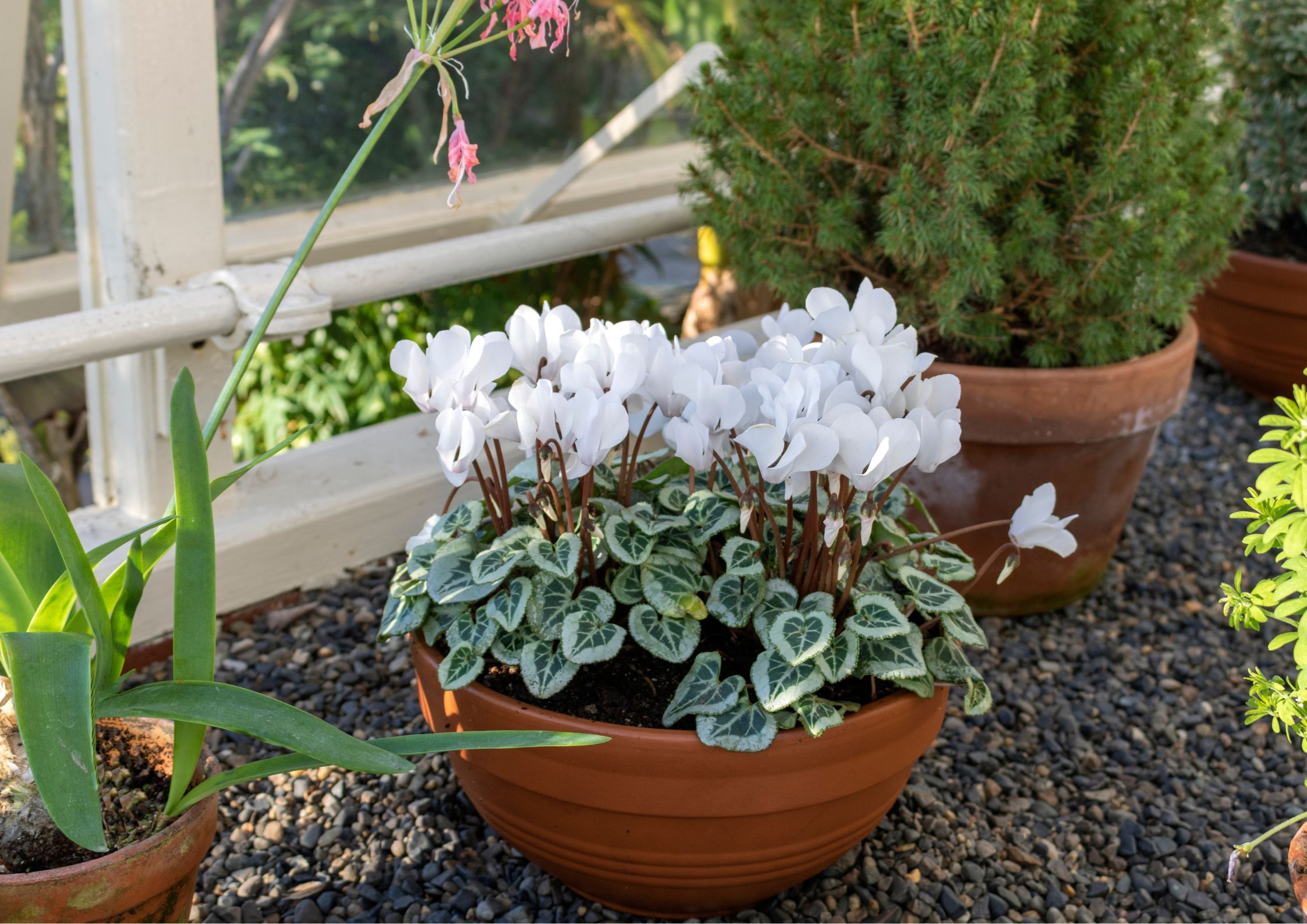
In addition to its flowers, cyclamen features rounded or heart-shaped leaves that are equally attractive. These leaves vary in shades of green and often display elegant silver or silver-yellow markings, adding a touch of sophistication to the plant.
Enchanting Flowers
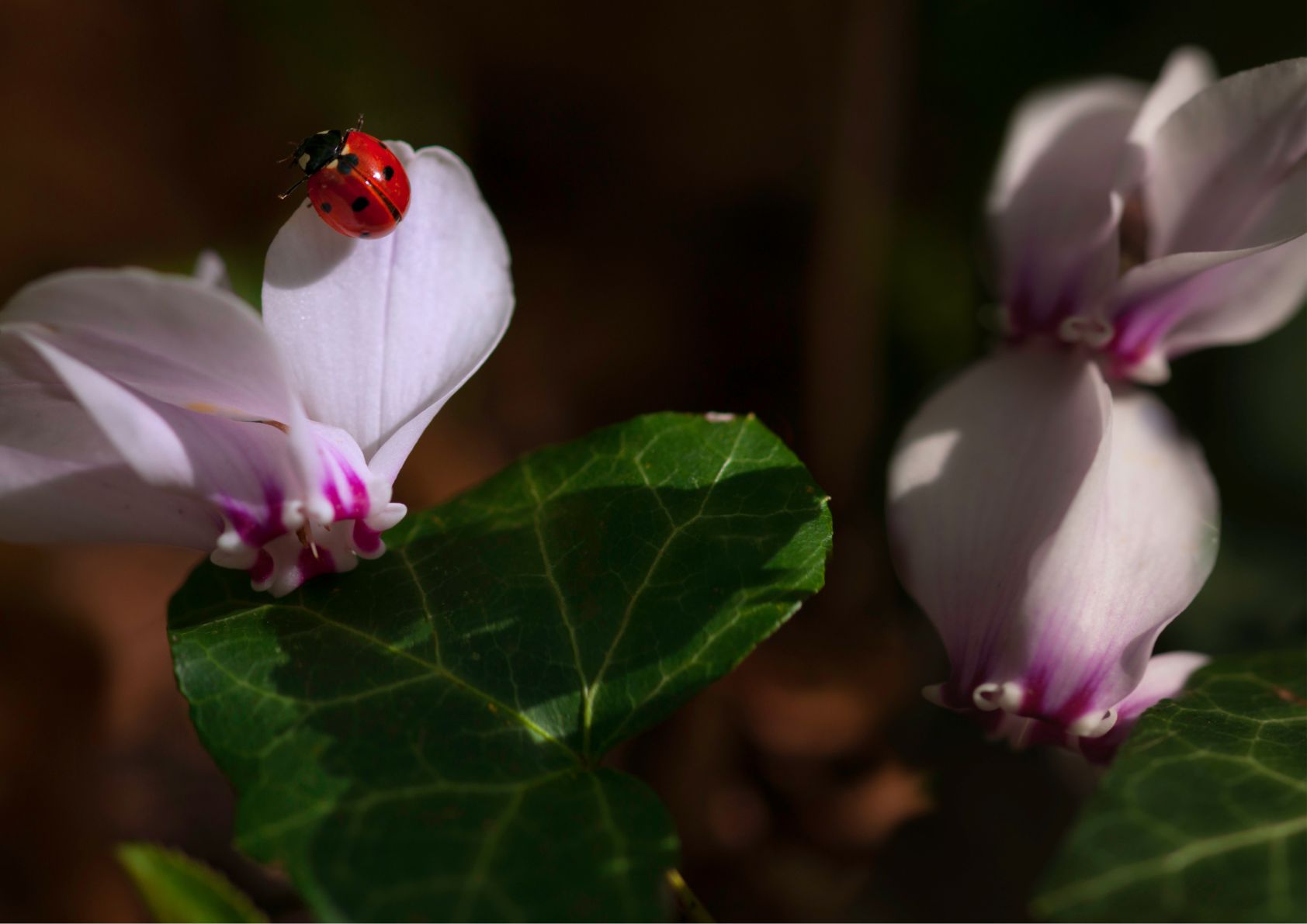
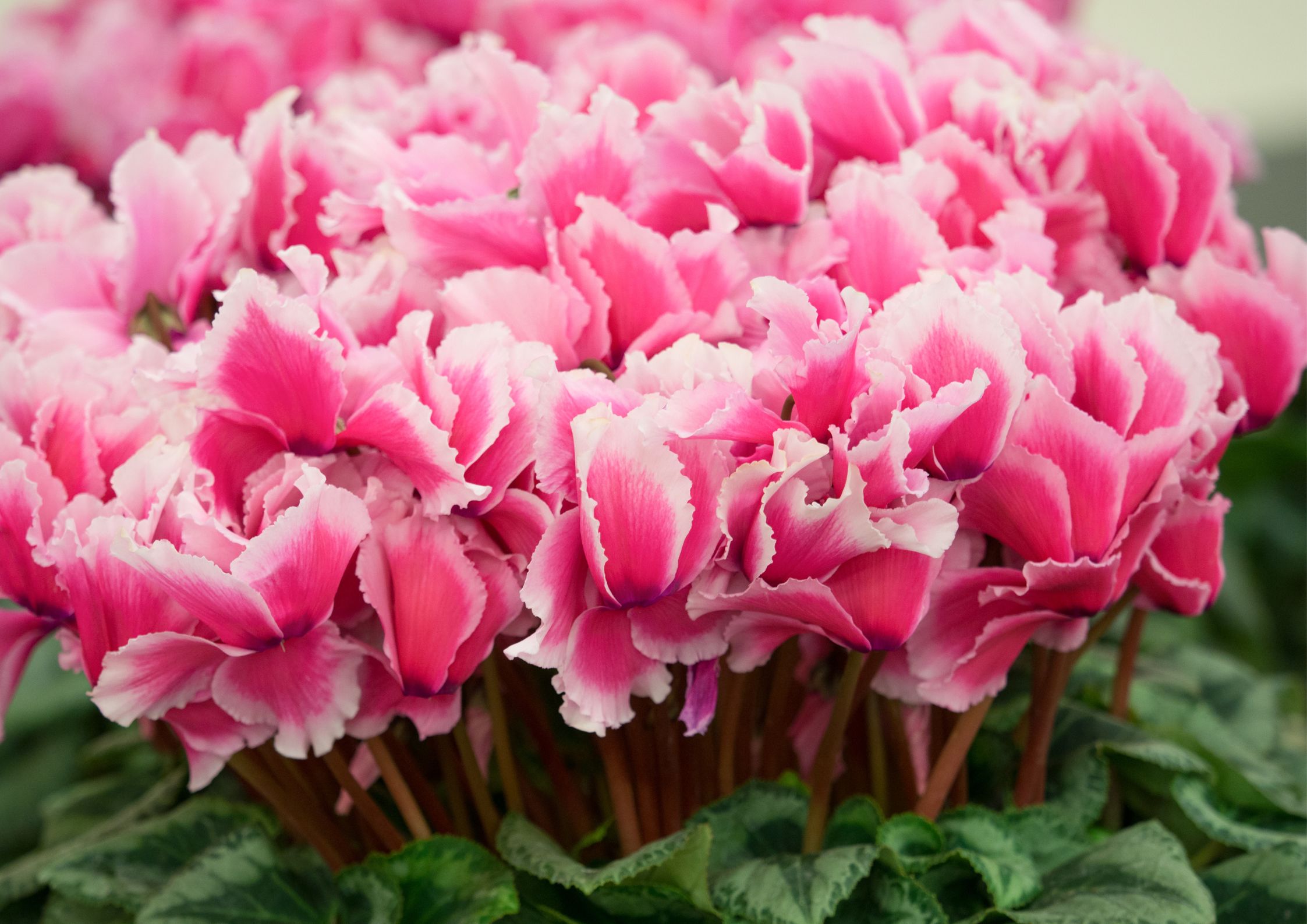
Cyclamen flowers come in a wide range of colours, including pink, red, white and purple. These flowers have a unique appearance with petals curved back, evoking the image of butterflies in full flight.
Compact Size
It is a compact plant, ideal for pots and small gardens. It usually reaches a height of between 15 and 30 centimetres, making it a perfect choice for limited spaces.
Cyclamen Care
To keep your cyclamen healthy and blooming, it is essential to pay attention to its specific requirements. Below, we offer some care recommendations:
Location
When it comes to location, cyclamen thrives best in places with bright indirect light. Therefore, it is advisable to place it near an east- or west-facing window to provide that desired filtered light. In addition, it is crucial to avoid direct sunlight, as this can damage its delicate leaves and flowers.
Watering
As for watering, moisture is essential for cyclamen. You should make sure to water it when the top layer of the growing medium feels dry to the touch. However, it is important to keep in mind that you must avoid waterlogging at the base of the pot, as this could lead to root rot.
Temperature
To keep your cyclamen in optimal condition, it is essential to place it in a cool, well-ventilated environment. The ideal temperature range is between 10°C and 18°C. Likewise, it is essential to avoid exposing it to cold draughts or extremely high temperatures.
Fertilising
During the growing season, which generally covers autumn and winter, it is advisable to feed your cyclamen with a balanced slow-release fertiliser. Be sure to follow the instructions on the packaging to avoid overfeeding and to provide it with the nutrients it needs.
Dormancy period
During summer, it is important to keep in mind that cyclamen enters a natural dormant period. Accordingly, it is recommended to gradually reduce watering and place the plant in a cool, shaded spot. Then, when new leaves begin to emerge in autumn, you can resume watering and fertilising to support its healthy growth.
Types of cyclamen
Persicum: Also known as Persian cyclamen, it is the most popular and widely cultivated species. It is characterised by butterfly-shaped flowers in a wide range of colours, including white, pink, red and purple. Its leaves are usually dark green with silver or silver-yellow markings.
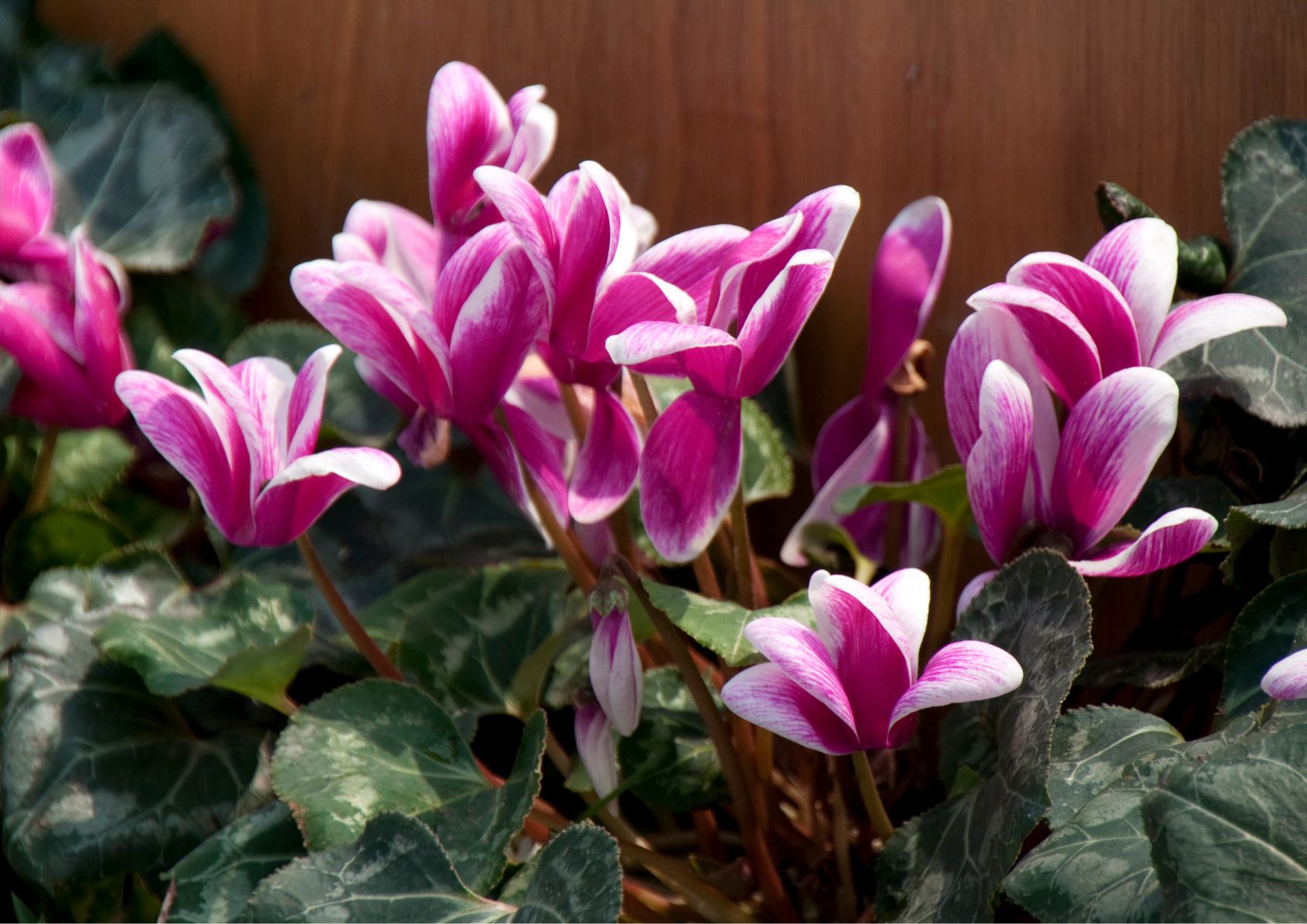
2. Hederifolium: This type of cyclamen is known as ivy-leaved cyclamen because of the shape of its leaves, which resemble ivy leaves. Its flowers can vary in colour, from pale pink to deep red. It is a hardy species and is grown both indoors and outdoors.
3. Coum: This cyclamen is native to areas around the Black Sea and is characterised by its small pink or purple flowers and rounded leaves. It is a hardy plant that is often grown in rock gardens.