Biophilic design is an emerging trend in architecture and design that seeks to reconnect people with nature in modern built environments. In a world where we spend 90% of our time indoors, surrounded by artificial materials and limited sensory stimuli, biophilic design emerges as a response to restore our innate relationship with the natural environment.
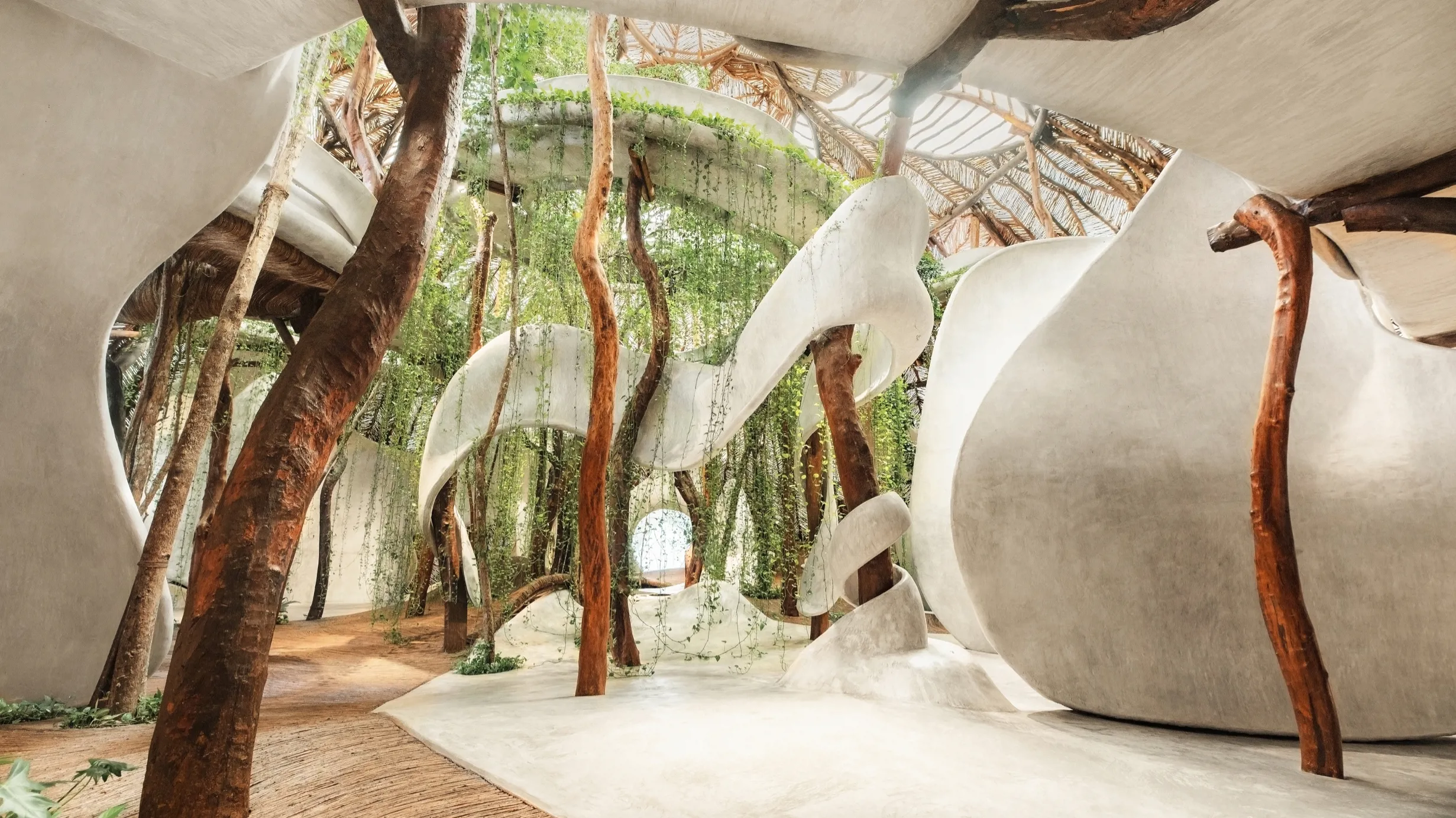
SFER IK Tulum
What is biophilic design?
The concept of biophilic design is based on biophilia theory, which holds that human beings have an innate tendency to seek connections with nature and other living systems. Throughout evolution, we have developed a biological affinity with the natural world, a connection that has been essential to our survival and well-being. However, in the modern era, much of this connection has been lost due to the development of urban and built environments that often lack natural elements.
Biophilic design aims to reintroduce these natural elements into our living and working spaces. This is not simply about adding plants or outdoor views, but about integrating key aspects of nature that have been shown to contribute to human health and well-being throughout evolutionary history. Examples of these elements include natural light, natural ventilation, organic materials, forms and patterns that imitate nature, and the inclusion of vegetation and water.
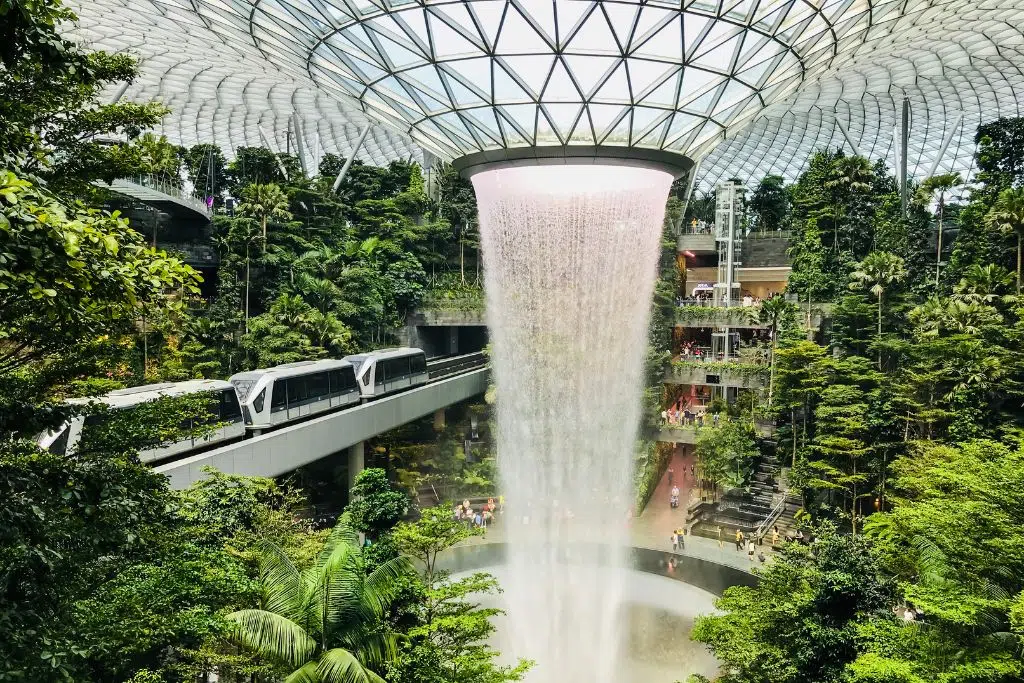
Singapore Changi Airport
Some people do not like having plants in their rooms for a variety of reasons. Some worry about the amount of maintenance plants require, such as regular watering and occasional pruning. Others may be sensitive to pollen or other allergens that some plants can produce.
Key principles
To be considered truly biophilic, a built environment must meet certain fundamental principles:
Substantial connection with nature: it is not about adding a plant here and there, but about creating a meaningful and sustained connection with nature. Natural elements should be deeply integrated into the environment, not mere ornaments or superficial decorations.
Continuous engagement with the natural environment: Natural experiences should be frequent and repeated to have a positive impact on occupants. This means the interventions should be consistent and an integral part of the environment, rather than fleeting or isolated.
Integrated and coherent design: Effective biophilic design must be holistic. Natural elements should be interconnected and work in harmony within the space. An isolated approach, such as placing a plant in a completely artificial environment, does not offer the same benefits as a design where all aspects are aligned to encourage connection with nature.
Fostering emotional bonds: Biophilic design seeks to create spaces that inspire emotional attachment in people. By satisfying our innate inclination towards nature, these environments not only improve our health and wellbeing, but also motivate us to care for and value the spaces we inhabit.
Positive and sustainable interaction: Biophilic spaces foster healthy and sustainable relationships between people and their surroundings. By promoting a sense of belonging and community, these spaces improve quality of life and social interaction.
Applications in the modern environment
In today’s world, many buildings and cities lack essential natural elements, which contributes to a feeling of disconnection and fatigue. However, applying biophilic design can transform these environments, improving both the aesthetics and functionality of spaces. Incorporating natural light, views to the outside, greenery and organic materials can have a profound impact on health, reducing stress and improving mood.
A notable example of biophilic design is the inclusion of green walls indoors, which not only bring beauty, but also improve air quality and create a more relaxing atmosphere. Water features and indoor gardens are also elements that can be integrated to foster a healthier and more productive environment.
Eiviss Garden: Your partner in biophilic design
At Eiviss Garden, we understand the importance of connecting with nature in our daily environment. That is why we offer a variety of products and specialised advice to help you implement biophilic design in your home or workplace. From selecting plants and natural materials to creating spaces that integrate light and fresh air, natural, artificial or preserved vertical gardens; we are here to help transform your environment into a haven of wellbeing and tranquillity.
By adopting biophilic design, you will not only enhance your spaces, but also promote a better quality of life for yourself and those around you. Contact our landscaping team and discover how we can help you integrate nature into your daily life in a meaningful and lasting way.