Today more than ever, landscaping is looking to the future with a sustainable and mindful outlook. The new trends invite us to design with respect, combine beauty and functionality, and reconnect with nature from our own homes. Discover the 2025 landscaping trends at Eiviss Garden and let yourself be inspired to create a space where nature and design go hand in hand, as only happens in gardens designed with soul.
Sustainable Mediterranean gardens
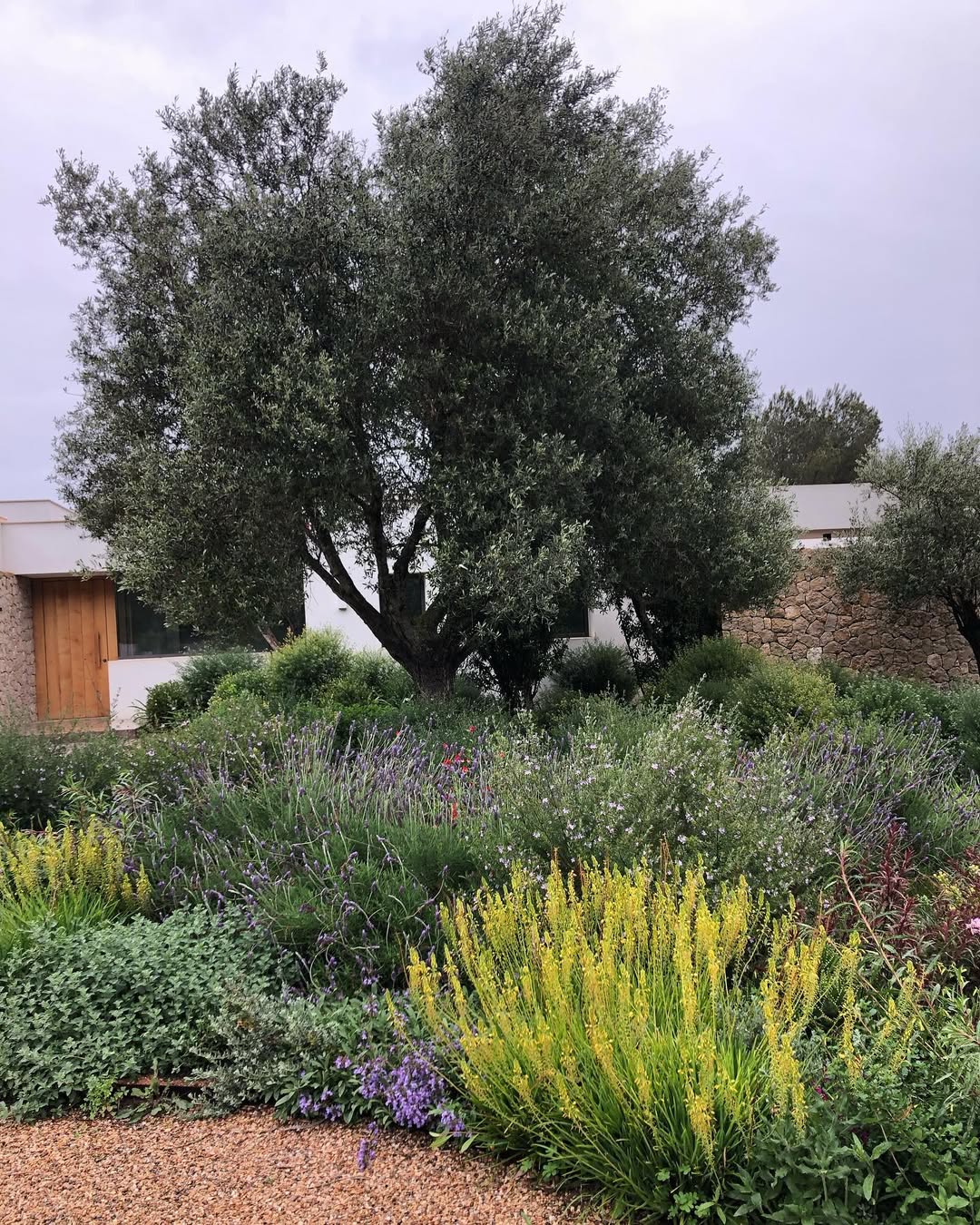
The Mediterranean style is establishing itself in 2025 as one of the key landscaping trends, combining aesthetics, functionality and respect for the environment. This design approach, characterised by its warmth, use of natural materials and native planting, is perfectly suited to dry, sunny climates.
This year, sustainability is taking centre stage in the planning of Mediterranean gardens. The use of native plants such as lavender, rosemary, thyme, oleanders and olive trees helps reduce water consumption and maintenance, while also promoting local biodiversity. These species are naturally adapted to the environment and require less intervention to thrive.
This type of sustainable garden is ideal for those seeking a harmonious, functional green space aligned with current environmental values. The trend favours simplicity, authenticity and a direct connection with the landscape.
Outdoor wellbeing spaces
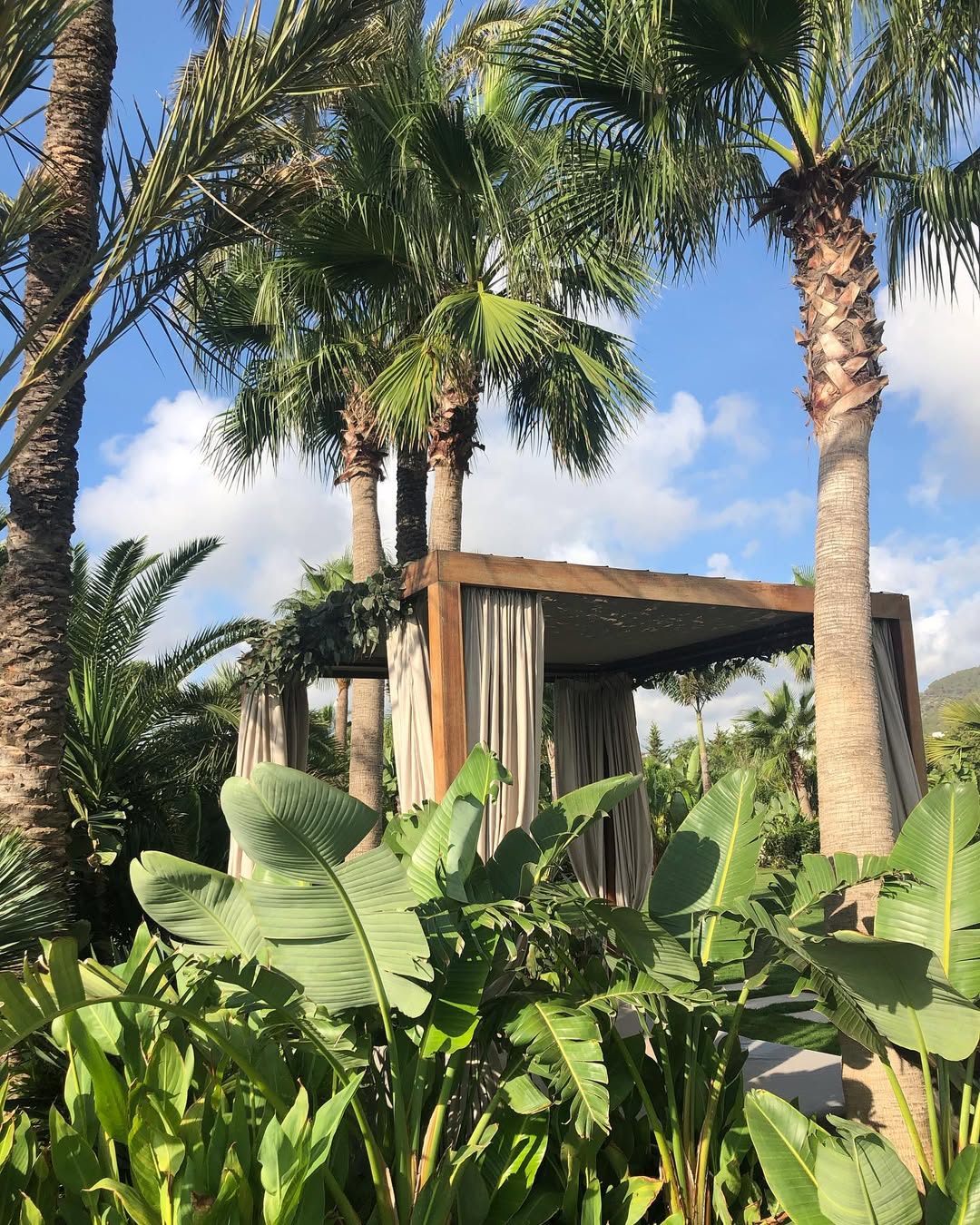
In 2025, gardens reaffirm themselves as extensions of the home that go beyond an ornamental function. Outdoor design is evolving to prioritise holistic wellbeing, turning patios, terraces and green areas into true personal retreats. Nature becomes a therapeutic element, capable of relieving stress, improving mood and encouraging emotional balance.
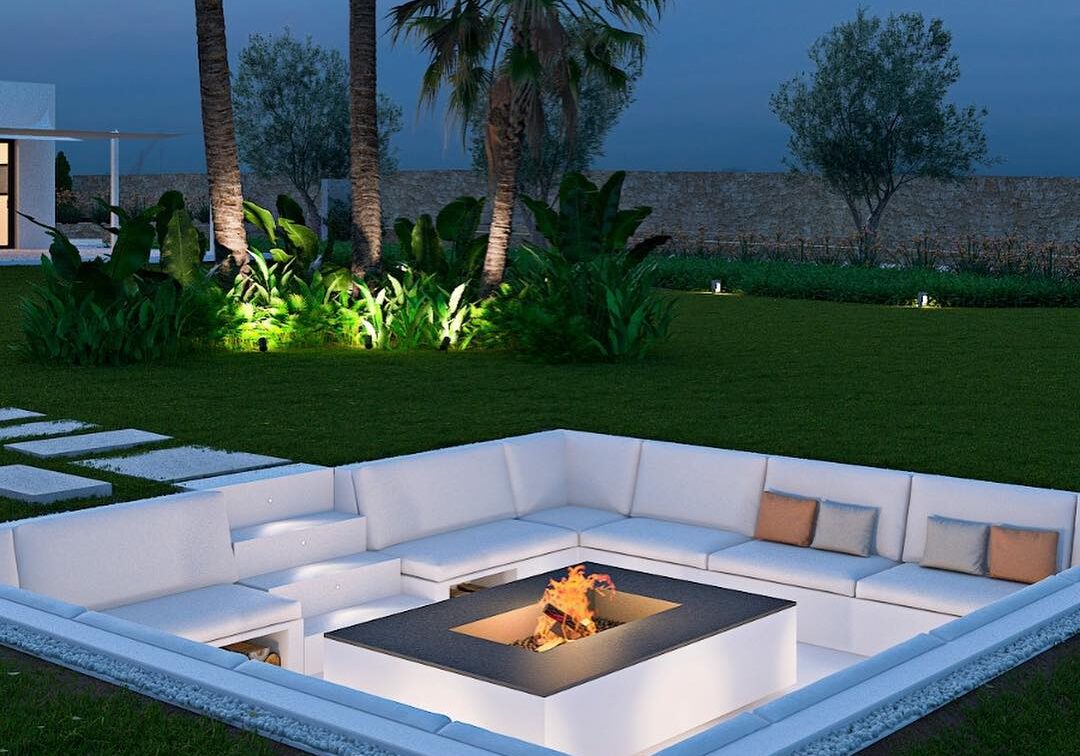
The trend is moving towards creating spaces that invite disconnecting and calm. Relaxation areas with ergonomic furniture, shaded pergolas that protect from the sun without cutting you off from your surroundings, reading or meditation corners, and water features such as fountains or ponds are integrated into the design to stimulate the senses and promote serenity.
Contemporary landscaping also incorporates natural materials such as wood, stone or bamboo, as well as aromatic and ornamental plants that enrich the atmosphere with textures, colours and fragrances. Soft lighting, preferably solar or low-energy, reinforces this enveloping ambience as evening falls.
Gardens thus become multifunctional spaces where body and mind find balance. This holistic vision of outdoor design responds to the growing need to reconnect with nature and find wellbeing in everyday life.
Edible gardens
Increasingly, private gardens, courtyards and terraces are incorporating areas dedicated to growing herbs, fruit and vegetables, creating spaces that are both aesthetically pleasing and functional.
This commitment to edible gardens responds not only to the desire to have access to fresh, high-quality food, but also to a growing environmental awareness. Growing your own produce makes it possible to reduce your ecological footprint, eliminate intermediaries and promote a more sustainable lifestyle, closely connected to natural cycles.
In addition, edible gardens offer educational and therapeutic benefits. Involving children in caring for the plants or enjoying a home-grown harvest creates a special connection with nature and reinforces values such as patience, responsibility and respect for the environment.
Vertical gardens and green roofs
In a world where space is increasingly limited, especially in urban settings, landscape design is being reinvented to make the most of every available corner. Vertical gardens and green roofs are becoming established as sustainable solutions that combine beauty, functionality and environmental commitment.
Vertical gardens, installed on walls or specially adapted structures, make it possible to introduce greenery where there is no horizontal surface. Whether on façades, narrow courtyards or indoors, these plant compositions not only bring freshness and colour, but also improve air quality, help regulate temperature and act as acoustic insulation.
Green roofs, meanwhile, transform rooftops and terraces into true urban lungs. Covered with hardy plants and specialist substrates, they help to reduce ambient temperature, manage rainwater more effectively and extend the service life of roofing systems.
Beyond their environmental benefits, both formats have become key elements of contemporary design, capable of bringing a vibrant, natural aesthetic even to industrial or highly built-up settings. In short, they are an innovative response to the challenge of creating green spaces in an increasingly vertical world.
Outdoor lighting
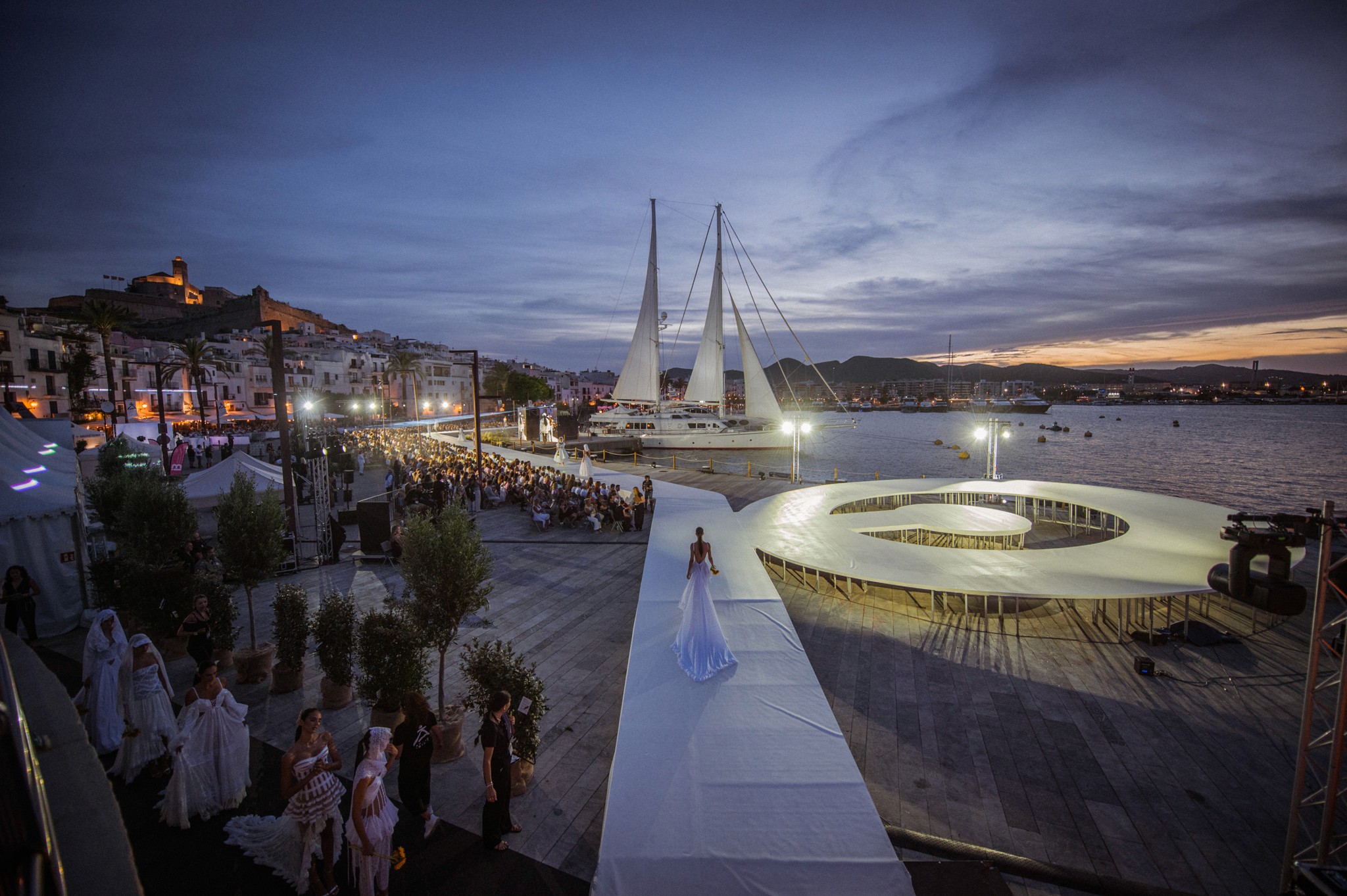
Smart outdoor lighting plays a leading role in garden design. Far from being merely a functional feature, light becomes a creative tool for transforming the atmosphere of outdoor spaces when night falls.
The integration of solar lighting systems makes it possible to make the most of natural energy, reducing environmental impact and maintenance costs. Additionally, motion sensors and smart timers optimise energy use, switching the light on only when it is genuinely needed.
Beyond efficiency, smart outdoor lighting also makes it possible to highlight key areas of the garden, such as paths, sculptures, fountains or relaxation corners. Low-energy LED spotlights, with adjustable brightness and colour temperature, allow you to play with shadows and volumes, bringing warmth and sophistication to the whole scheme.
With an increasingly sustainability-focused approach, lighting becomes a subtle yet powerful resource for enhancing the beauty of the surroundings without overwhelming it. A well-lit garden not only improves the functionality and safety of the space, but also creates magical, welcoming atmospheres, extending enjoyment well beyond sunset.
Natural and recycled materials
Landscape design is firmly committed to materials that respect the environment without compromising on design. Choosing natural and recycled elements is not just an aesthetic decision, but a statement of intent that responds to the need to create more sustainable and responsible outdoor spaces.
FSC-certified timber, local stone, fired clay, wicker, handcrafted ceramics and natural aggregates take centre stage in the creation of pathways, walls, pergolas, furniture and decorative features. Their use not only reduces the project's ecological footprint, but also brings authenticity and a direct connection with the surroundings.
Likewise, reusing materials — such as old beams, reclaimed bricks or even repurposed metal elements — offers a creative, respectful approach, giving gardens personality and character.
Natural ponds and swimming pools
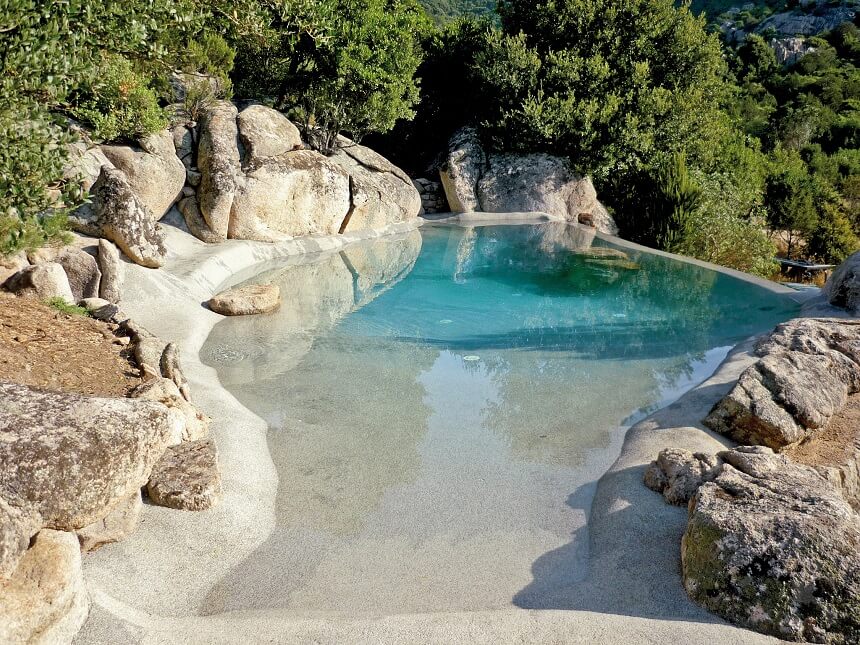
Natural swimming pools and ecological ponds are emerging as a sophisticated, responsible alternative to traditional chlorinated pools.
These pools and ponds are based on biological filtration systems, using aquatic plants and natural filters to keep the water clean without harsh chemicals. This not only reduces environmental impact, but also creates a living ecosystem that encourages biodiversity, attracting beneficial insects, birds and amphibians.
The result is a harmonious, healthy and visually stunning space, where the connection with nature becomes a complete sensory experience.
At Eiviss Garden, we champion this type of ecological solution and work with Biodesign Pools. Its compacted sand finish and irregular shapes offer an aesthetic similar to that of a beach or a lagoon, transforming any garden into a little corner of paradise.