With the arrival of April, our gardens, balconies and terraces fully awaken. The days finally grow longer, the light takes centre stage and the mild temperatures invite us to spend more time caring for our plants. It is a key moment to shape the garden we imagined during the colder months and lay the foundations for a spring and summer full of life.
However, April can also bring unexpected rain and temperature swings that require attention. That is why, at Eiviss Garden, we have prepared a practical guide with tips and gardening tasks in April adapted to the Mediterranean climate, designed to help you make the most of your green space, anticipate changes and enjoy the process successfully.
1. Fertilising
With spring now underway, April becomes a key month for nourishing our plants. Growth accelerates, shoots develop and many species begin to bloom. In this context, fertilising becomes especially important to strengthen the root system and ensure balanced development.
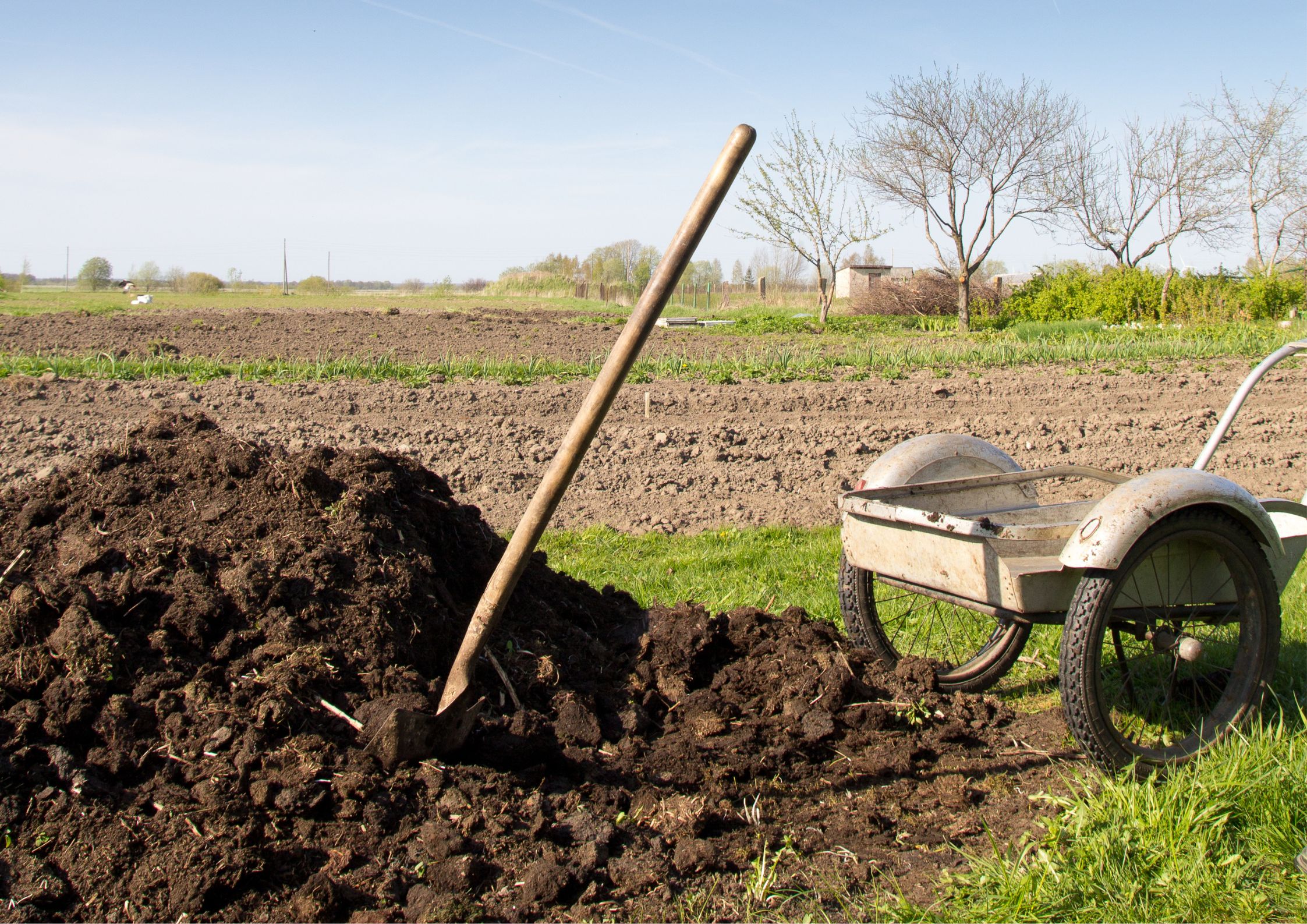
The use of organic fertilisers such as compost, well-rotted manure or worm castings improves the structure of the soil and stimulates microbial activity, promoting efficient nutrient uptake. In pots or planters, you can supplement with liquid fertiliser every 15 days to boost the supply.
In Mediterranean climates like Ibiza, it is important to adapt feeding to the temperature and the type of plant. Mediterranean species, such as rosemary, olive or thyme, require less fertilisation than flowering plants or fruit trees in full growth. Make sure not to over-fertilise: too much can damage the roots or encourage weak, unbalanced growth.
Tip: apply fertiliser on mild days, when the soil is moist but not waterlogged, and avoid the days after heavy rain so nutrients are not lost through leaching.
2. Planting
April is the perfect month to beautify our garden by planting trees, shrubs, seasonal flowers and aromatic plants. This period offers the ideal opportunity for these new additions to take root and adapt to their new surroundings before the high temperatures of summer.
Trees and shrubs
Fruit trees: Apple trees, pear trees, cherry trees and plum trees. It is a good time to plant them as they have not yet entered full growth.
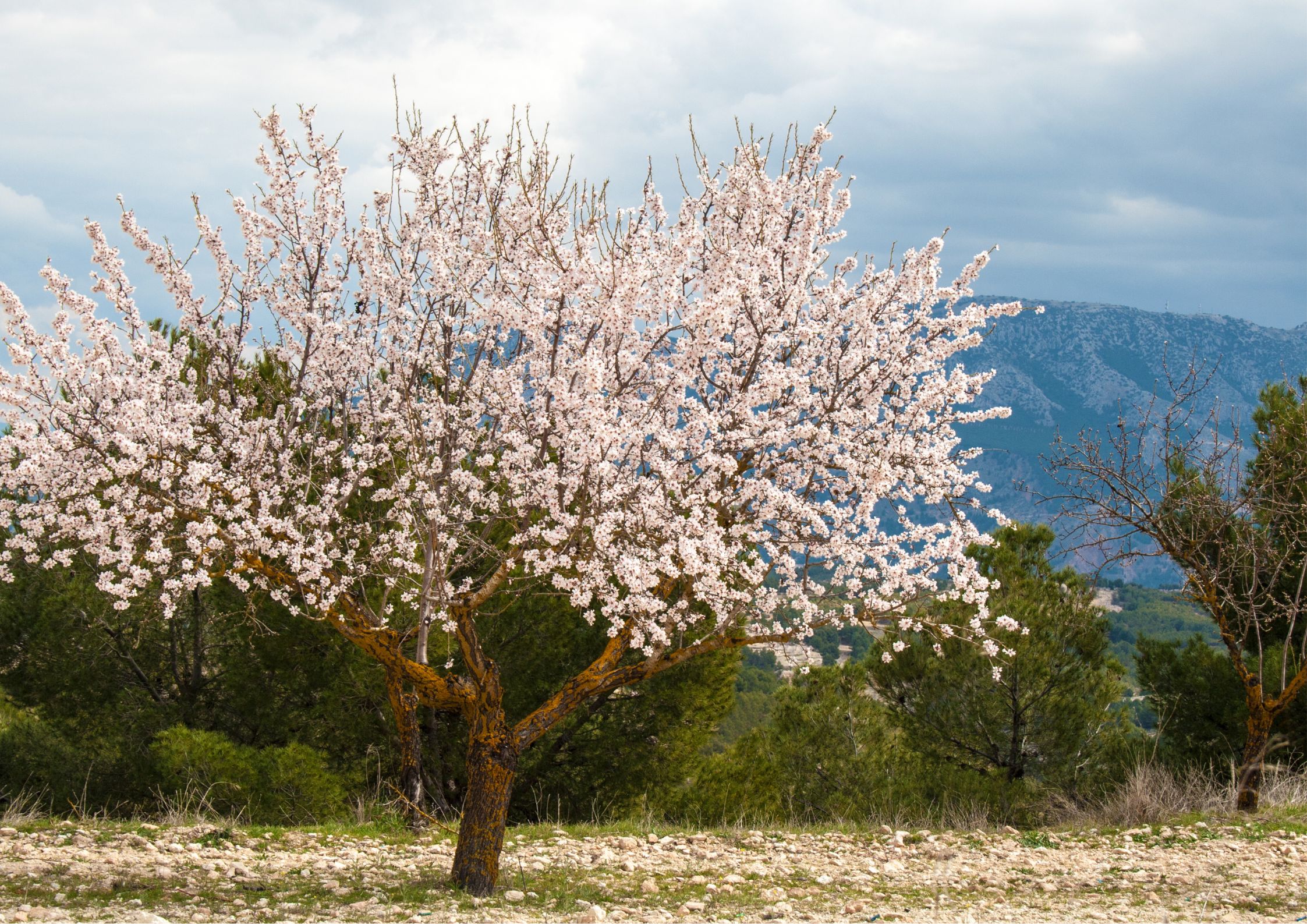
Ornamental trees: Almond trees, magnolias and jacarandas, which will offer beautiful blooms in future seasons.
Shrubs: Rose bushes, hydrangeas (Hydrangea), lavender (as a small shrub) and forsythia. These can begin to be planted in April, taking advantage of the mild weather.
Seasonal Flowers
Petunias and geraniums: Perfect for adding colour to balconies and gardens.
Sweet William (Dianthus barbatus): Offers a range of vibrant colours and is hardy.
Lobelia: Ideal for borders and as floral ground cover, with its intense blue and violet colours.
Aromatic Plants
Parsley, coriander and basil: Essential in any kitchen garden for their culinary use.
Lavender and rosemary: Not only are they aromatic, but they also attract pollinators and repel pests.
Mint and oregano: Easy to grow and perfect to have on hand for the kitchen.
When planning your plantings in April, consider the specific conditions of your garden, such as sun exposure, soil type and water needs. Remember that although April marks the start of warmer temperatures, there may still be night frosts in some areas, so protect the more sensitive plants or wait to plant them until after the last frost forecast in your region.
3. Indoor plants
With the change of season, our indoor plants also need special attention. Refreshing the substrate and repotting species such as peace lilies and ficus into new pots provides the ideal environment for their growth and flowering. This substrate renewal, together with a root prune if necessary, ensures that our indoor plants stay healthy and vigorous. Spring is also a good time to propagate our favourite plants, such as sansevieria, through simple propagation methods that can be an educational and fun family activity.
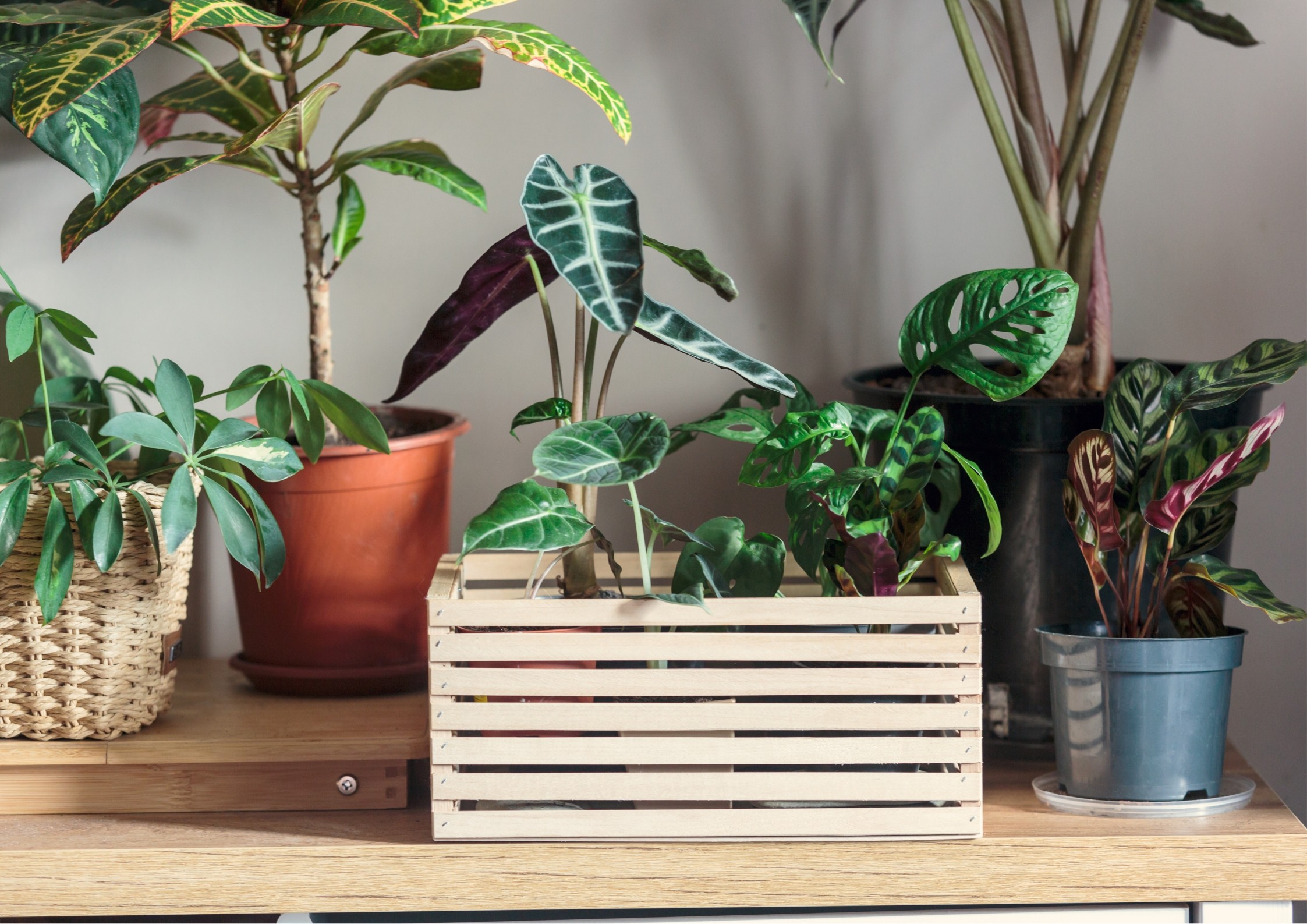
Here are some ideal indoor plants for April, which are not only beautiful but also beneficial for your home environment:
Monstera Deliciosa: With its large, perforated leaves, it is perfect for bringing a tropical touch to any space. It prefers indirect light and moderate watering.
Ficus Lyrata (Fiddle-leaf fig): This elegant plant can grow quite large indoors with the right light. It needs bright, indirect light and likes soil that stays consistently moist.
Sansevieria (Mother-in-law's tongue): One of the hardiest indoor plants, able to survive in low light with minimal watering. It is excellent for purifying the air.
Pothos (Epipremnum aureum): With its variegated leaves and trailing or climbing nature, it is ideal for high shelves or as a hanging plant. It appreciates indirect light and moderate watering.
Calathea: Known for its beautiful decorative leaves, Calathea prefers high humidity and indirect light. It is an excellent choice for adding colour and texture.
4. Vegetable garden: harvesting and sowing
Sowing from seed
Carrots: Prefer to be sown directly in the ground because they do not respond well to transplanting. Look for loose, deep soil.
Radishes: Ideal for direct sowing due to their rapid growth. They are perfect for intercropping.
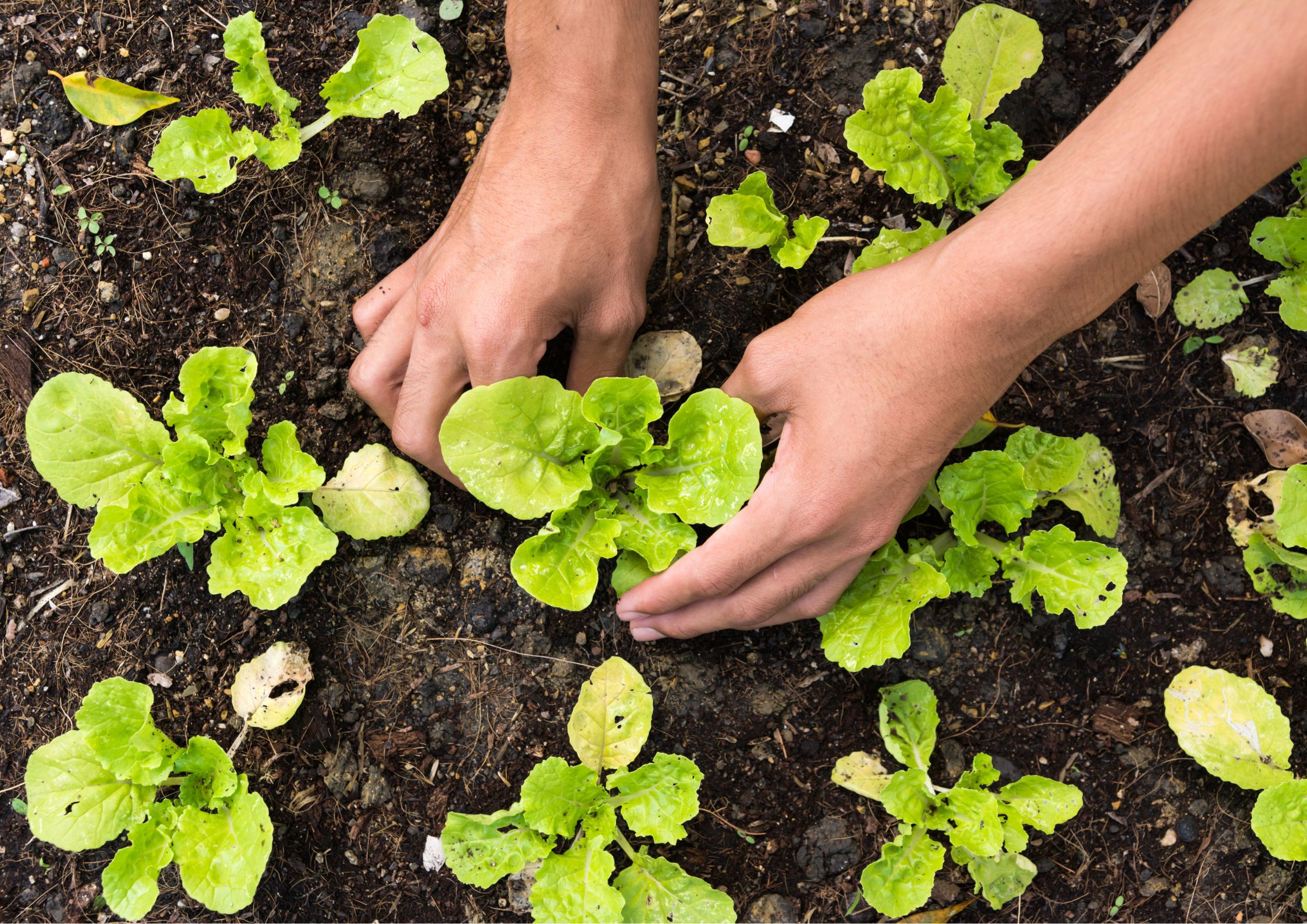
Spinach: Take advantage of the still mild temperatures of April to sow spinach, which can tolerate a little heat but prefers cool conditions.
Lettuces: You can continue sowing lettuce varieties, choosing heat-resistant types if your area warms up quickly.
Swiss chard: A leafy vegetable that develops well when sown directly at this time of year.
Peas and broad beans: Although their ideal sowing period starts earlier, you can still sow them if the weather allows, especially at the beginning of April.
Green beans: Depending on the specific temperatures in your area, you can start sowing beans at the end of April.
Beetroot: Another crop that responds well to direct sowing in the soil.
Sowing in seed trays/transplanting
Tomatoes: It is time to transplant tomatoes if you have germinated them in protected seed trays or to buy seedlings to plant in the vegetable garden.
Peppers: As with tomatoes, peppers germinated in seed trays can begin to be transplanted into the vegetable garden.
Aubergines: They require warm temperatures, so transplanting them in April is ideal in Mediterranean climates.
Courgettes and pumpkins: They can begin to be transplanted if they have been germinated indoors or under protection.
Cucumbers: Similar to courgettes, cucumbers are ready to be transplanted into the vegetable garden.
Melons and watermelons: These heat-loving summer fruits can begin to be transplanted if the weather is already warm enough.
5. Lawn
Caring for the lawn in April lays the foundations for an attractive, healthy garden all year round. From weed removal to reseeding damaged areas, every action we take this month helps ensure a dense, vigorous lawn. Applying organic fertiliser and starting the mowing season are essential steps to encourage the growth of a green, resilient lawn, ready to enjoy during the summer months.
The vegetable garden comes to life in April, with a range of activities from harvesting winter crops to preparing and sowing summer crops. Careful planning and selection of the species to grow, taking into account planting distances and the specific conditions of your garden, are essential for a summer full of fresh vegetables.
By embracing April and its challenges, armed with knowledge and the right tools, we can ensure our garden flourishes. At Iviss Garden, we are committed to supporting you at every step of this spring journey, offering you the advice, products and support you need so your green space can become a haven of peace and beauty. Visit us and let us guide you so you can enjoy every change of season.