
Welcome to May, the month that marks the transition between spring and summer! With its warmer, milder days, it is the ideal time to enjoy the garden and prepare it for the months ahead. Here we share some gardening tips and tasks to help you make the most of this period. At Eiviss Garden, our aim is to equip you with gardening tips and tasks in May, to help you tackle these challenges and transform your garden, terrace or balcony.
1. Fertilising
In the month of May, feeding plays a fundamental role in caring for our garden. With the increase in vegetative activity in plants and the development of new leaves, flowers and fruit, it is crucial to provide them with the nutrients they need for healthy, vigorous growth.
When choosing the right type of fertiliser for this period, it is important to consider the specific needs of your plants and the composition of the soil. In general, organic fertilisers are recommended, such as compost, manure or slow-release fertilisers, which provide a continuous source of nutrients and improve the soil structure in the long term.
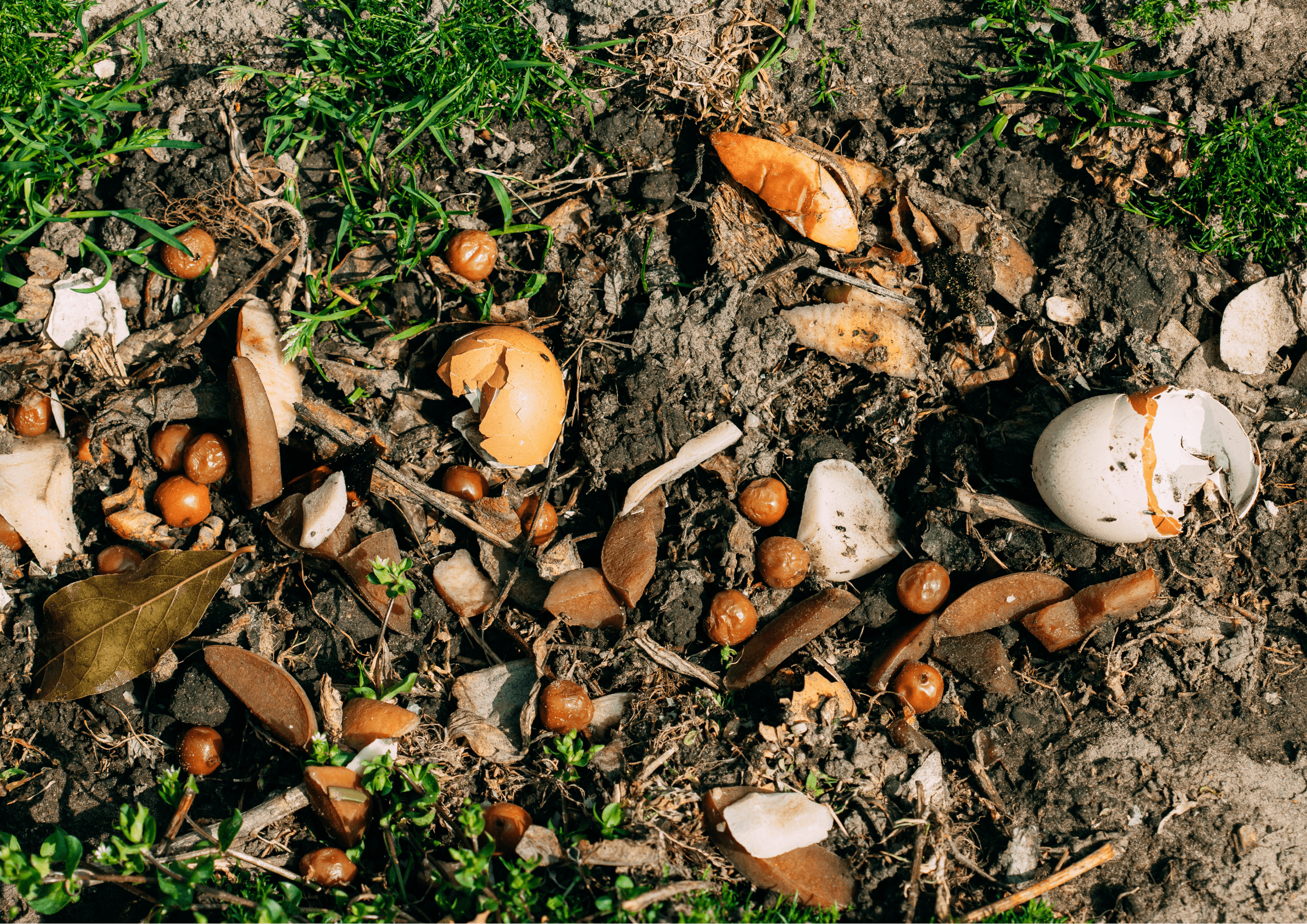
Compost is an excellent option for enriching the soil and providing nutrients to plants naturally. You can apply it directly around your plants or mix it with the substrate when repotting or planting new species. In addition to being a source of nutrients, compost also helps retain moisture and improve soil structure, thus promoting healthy root growth.
Another popular option is manure, which can come from various sources, such as cows, horses, sheep or poultry. Well-rotted manure is rich in nutrients and can be applied to the soil as a thin layer around plants or mixed with the substrate before planting. However, it is important to make sure the manure is well rotted to avoid root burn in plants.
Lastly, slow-release fertilisers are an excellent option for providing a steady supply of nutrients throughout the growing season. These fertilisers come in the form of granules or pellets that can be spread around the plants or incorporated into the soil during seedbed preparation.
2. Planting
May is an ideal month for planting a wide variety of trees, shrubs and flowers, as the warm weather and spring rains provide the perfect conditions for the establishment and growth of new plants.
Trees and shrubs
As for trees, it is a good time to plant species such as hackberry, cherry, almond and loquat trees. These fruit trees flower in spring and offer a beautiful display of flowers and fruit during the growing season. In addition, ornamental trees such as magnolia, tulip tree and crape myrtle are also excellent choices for adding beauty and structure to your garden.
As for shrubs, you can choose species such as oleander, abelia, lavender and spirea. These shrubs offer beautiful blooms and a variety of colours that will brighten your garden during the spring and summer seasons. Make sure to plant them in a spot with plenty of sunlight and room to grow.
Seasonal Flowers
In addition to trees and shrubs, you can also plant a variety of seasonal flowers in May. Popular options include petunias, begonias, marigolds, zinnias and cosmos. These flowers will add colour and cheer to your garden and attract pollinators such as bees and butterflies.
When planting new species in your garden, make sure to prepare the soil properly by loosening and enriching the seedbed with compost or organic fertiliser. It is also important to water newly planted plants well and provide them with careful monitoring to ensure they establish and grow healthily.
3. Indoor plants
In May, many indoor plants can benefit from fresh air and natural light by being moved outdoors to receive direct sunlight, but it is important to bear in mind that some plants may be sensitive to sudden changes in temperature. Before taking them outside, make sure to research each plant's specific needs and acclimatise them gradually to avoid stress.
Indoor plants that can benefit from exposure to the outdoors include ficus, palms, begonias, ferns and African violets. These plants will enjoy indirect sunlight and the increased humidity outdoors, which can encourage their growth and flowering.
However, bear in mind that some indoor plants can be sensitive to direct sun and intense heat, especially during the hottest hours of the day. It is important to provide them with partial shade and protection from the wind to prevent leaf scorch and dehydration stress.
In addition to moving plants outdoors, it is also important to continue caring properly for indoor plants in their usual location. Make sure to water them as needed and maintain an adequate level of humidity by regularly misting the leaves. You can also consider monthly feeding to promote healthy growth.

4. Kitchen garden: harvesting and sowing
It is important to make the most of this optimal sowing and transplanting period to ensure a plentiful, healthy harvest later in the season.
What to sow in May
You can sow a wide range of crops directly into the garden soil. Some popular options to sow from seed include:
Beetroot
Broccoli
Cabbages
Brussels sprouts
Carrots
Peas
Parsnips
Radish
Lettuce
Rutabaga
Turnips
These crops thrive in May's warm, humid conditions and are ready to germinate and grow quickly.
What to plant or transplant in May
In addition to sowing from seed, it is also a good time to plant or transplant seedlings and young plants in the garden. Some crops you can plant or transplant in May include:
Tomato seedlings: As temperatures become warmer, it is safe to plant tomato seedlings in the garden. Be sure to provide them with proper support so they can grow and bear fruit.
Onion seedlings: Onions can be planted in the garden from seedlings in May for a future harvest.
Other crops: You can also consider planting seedlings of peppers, aubergines, courgettes, cucumbers and pumpkins in May for a later harvest in the season.
When planting or transplanting in the garden, make sure to prepare the soil properly and provide enough water to help the plants establish themselves.
5. Lawn
This month, the lawn experiences rapid growth thanks to the warm weather and spring rains. It is important to maintain regular care to ensure a healthy, lush lawn throughout the season.
Lawn care in May
Regular mowing: With the lawn growing quickly, it is necessary to mow more frequently. Adjust the mower cutting height to keep the grass at the desired height and encourage dense, healthy growth.
Proper watering: As temperatures rise, it is crucial to ensure the lawn receives enough water to keep it green and lush. Water the lawn early in the morning or later in the evening to avoid excessive water evaporation.
Weed control: With the lawn growing quickly, weeds can also thrive. Control weeds regularly to prevent them from competing with the lawn for nutrients and water.
Fertilisation: Apply a balanced fertiliser in May to provide the lawn with the nutrients needed for healthy growth. Opt for a slow-release fertiliser to ensure a steady supply of nutrients throughout the season.
At Eiviss Garden we are committed to providing you with the best advice and the most suitable products for your garden throughout every month of the year. Whether you need guidance on May lawn care, selecting the ideal indoor plants or tips for the summer vegetable patch, our team will be delighted to help you every step of the way. Don't hesitate to visit us for all your gardening and landscaping needs!