Category:
Home-grown
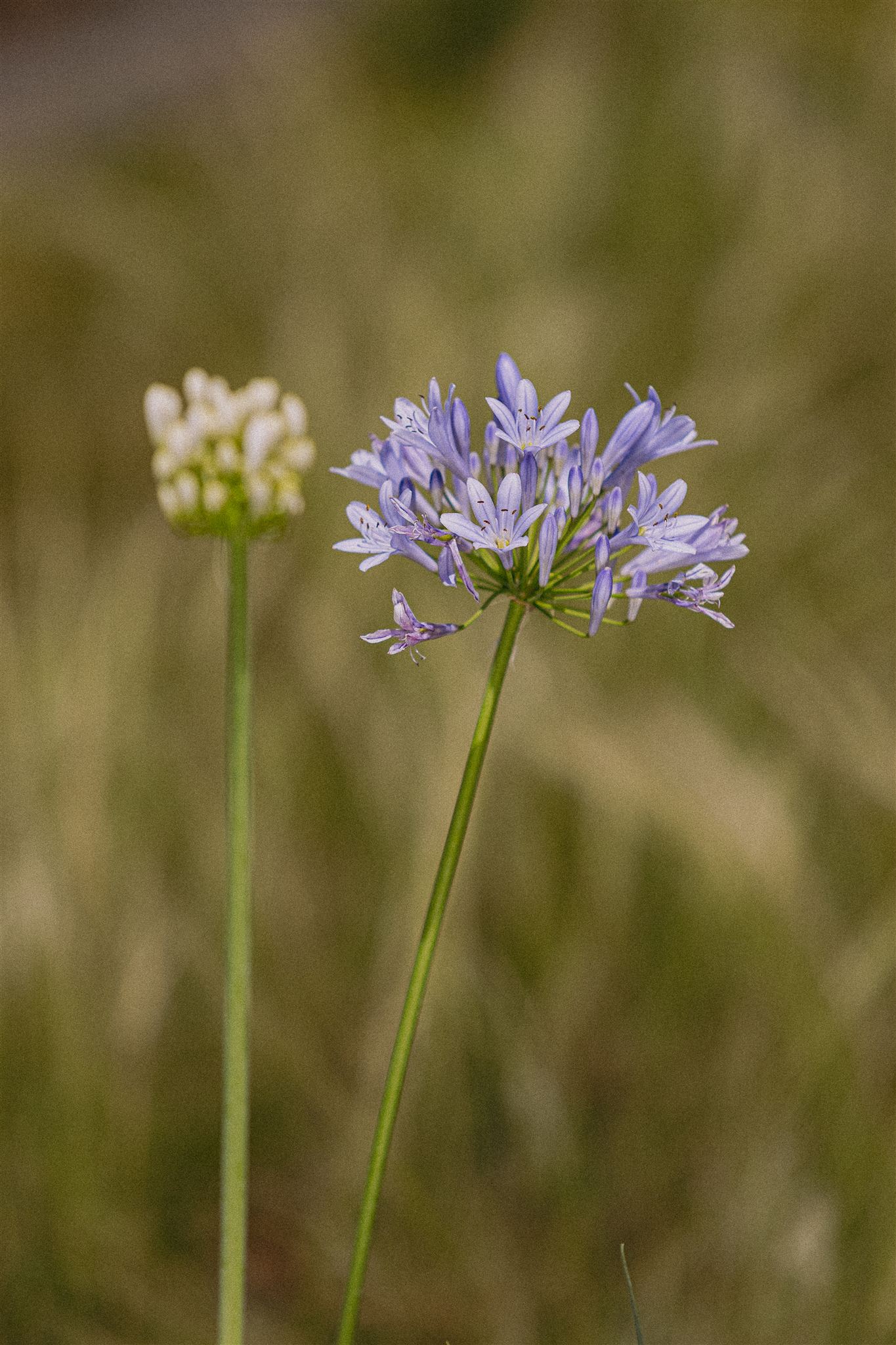
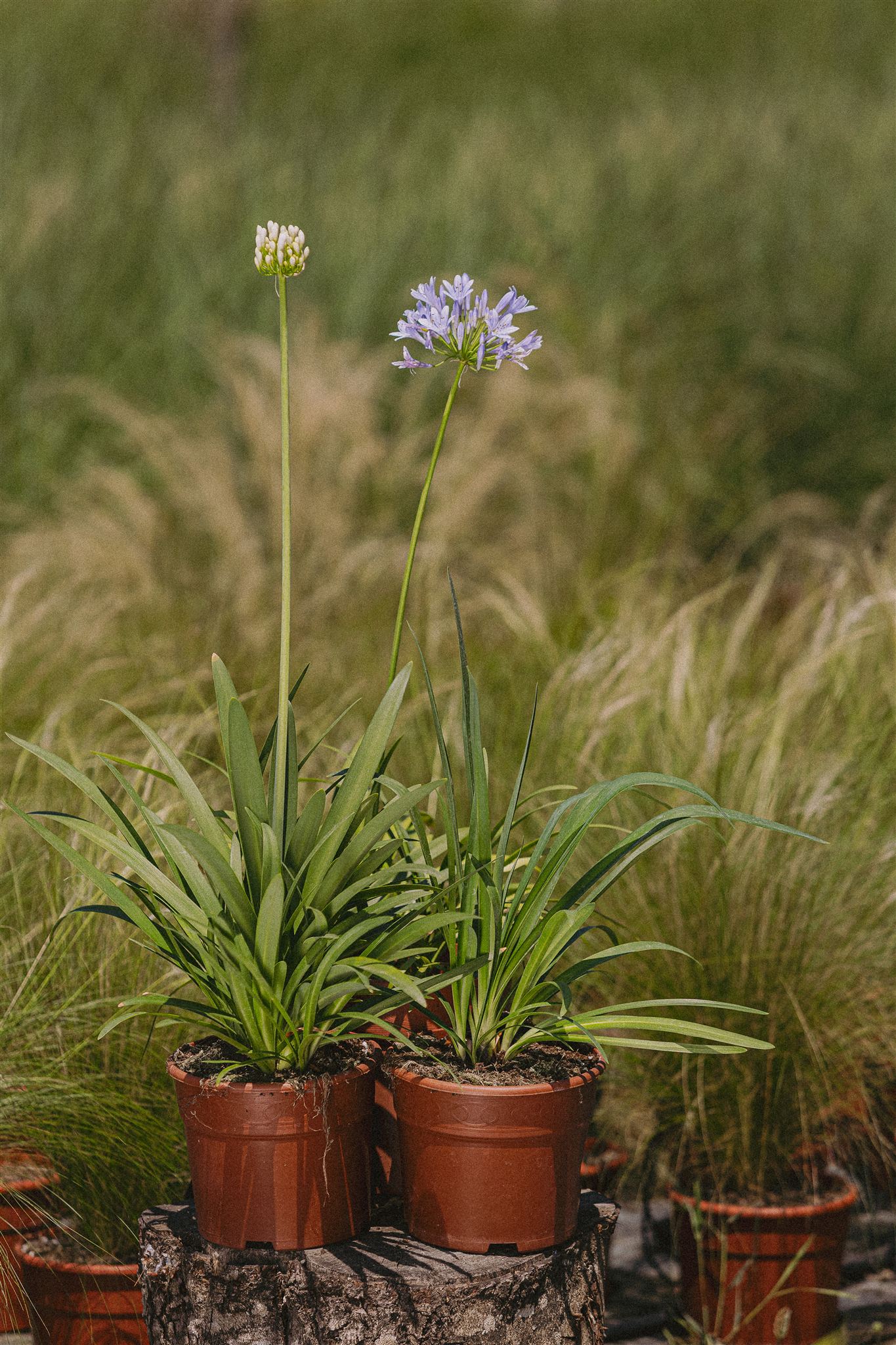
Highly ornamental perennial with blue or white flowers, ideal for borders and pots, hardy and rewarding with moderate watering.
Approx. height
Approx. width
Light
Ideal temp.
Toxicity
Maintenance
Recommended watering
Sales format
Our experts say
The agapanthus, also known as African lily (Agapanthus), is a perennial plant highly valued for its elegant flowering and its ability to bring structure to the garden with very little maintenance. It forms clumps of long, green, arching leaves that create volume and a sense of order throughout the year in mild climates. In summer, it produces tall, sturdy flower stems topped with large umbels of blooms, usually blue or white, for a very clean, architectural effect.
It is ideal for borders, beds and large pots, as it pairs well with Mediterranean, contemporary or naturalistic styles. It adapts to different soils as long as they drain well and, once established, tolerates periods of drought. Its flowering, as well as being decorative, attracts pollinators and adds a very balanced splash of colour.
Image gallery
Benefits
Very ornamental summer flowering, with large, elegant umbels.
A hardy, low-maintenance perennial plant.
Adds structure and order with its clump-forming foliage.
Ideal for borders, beds and large pots.
Good tolerance to heat and dry periods once established.
Attracts pollinators and brings colour in a balanced way.
Special care
Place in full sun to maximise flowering; tolerates partial shade, but flowers less.
Requires good drainage; avoid waterlogged soils, especially in winter.
Moderate watering in spring and summer; less in autumn and winter.
In a pot, water more regularly in summer and ensure a spacious container.
Remove the dead flower spikes after flowering to keep the plant tidy.
Divide the clump every 3–5 years if it loses vigour or if you wish to propagate it; it flowers best when slightly crowded, so it should not be divided too often.
Benefits from a light feed in spring to encourage flowering.