Category:
Home-grown
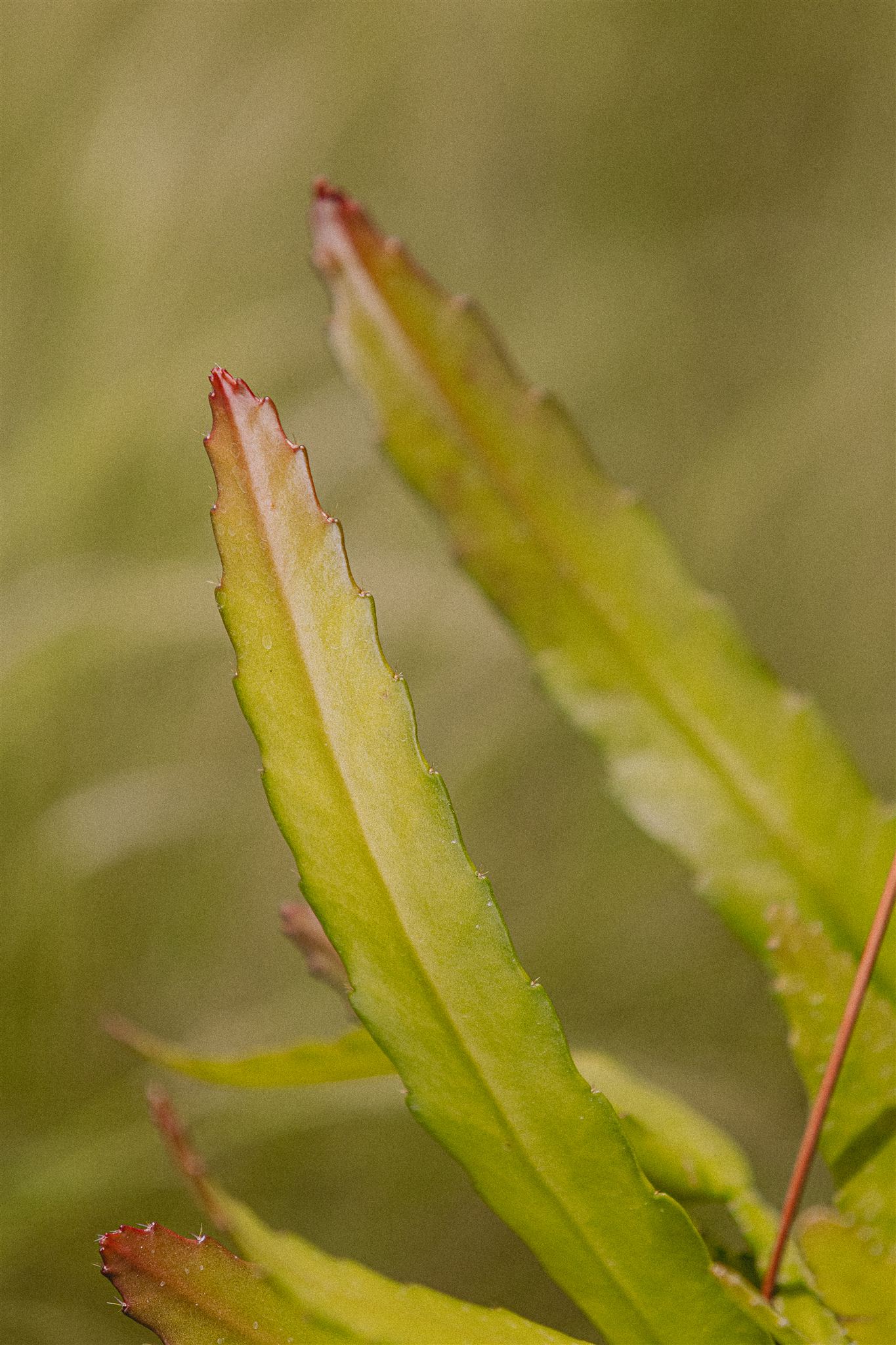
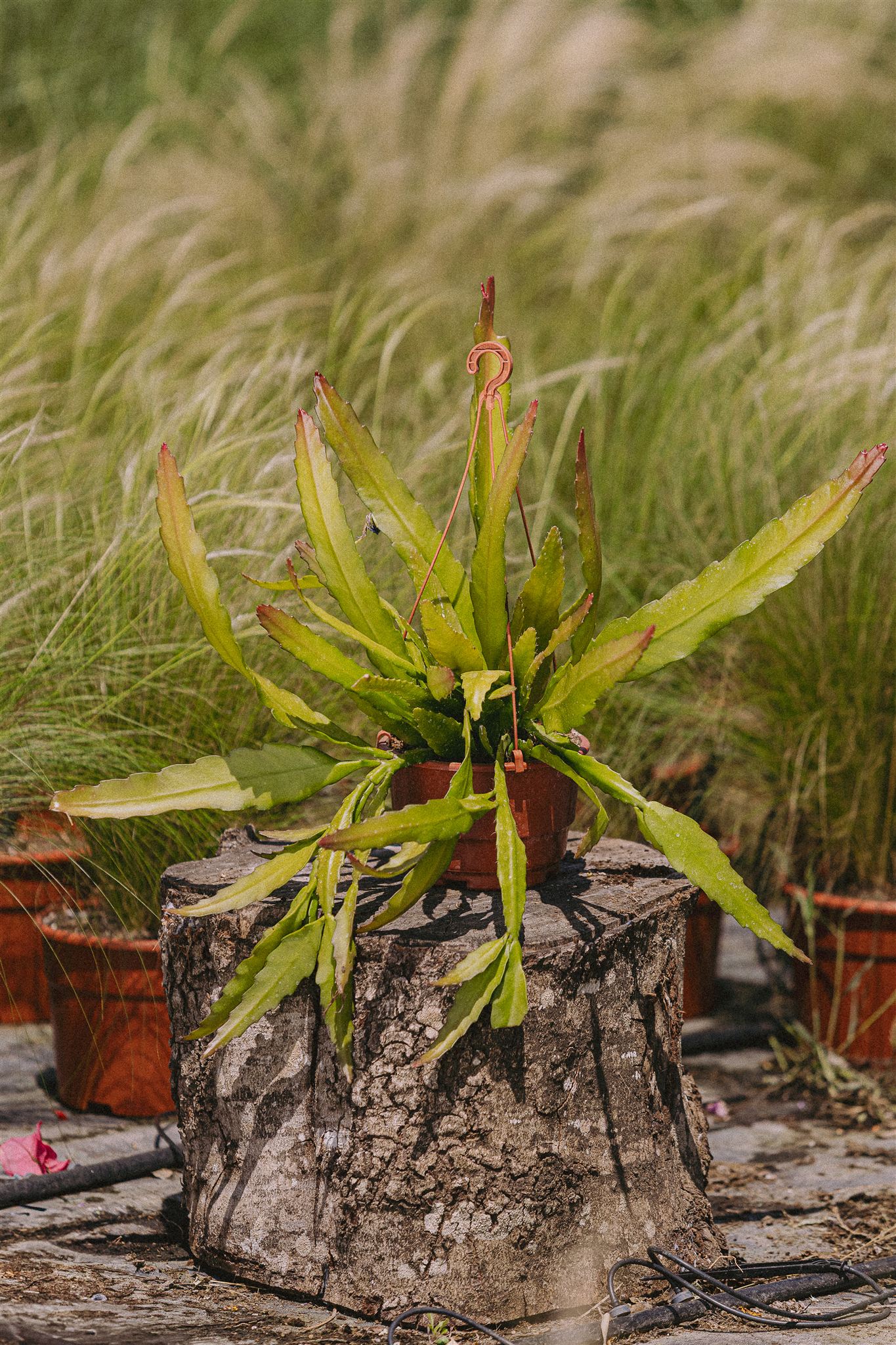
A highly decorative trailing cactus, ideal for pots and baskets, with low watering needs and perfect for very bright spaces.
Approx. height
Approx. width
Light
Ideal temp.
Toxicity
Maintenance
Recommended watering
Sales format
Our experts say
The hanging cactus (family Cactaceae) encompasses several trailing or creeping species, highly valued for their sculptural appearance and ease of cultivation. Their fleshy, segmented or cylindrical stems cascade down in natural drapes, adding texture and volume to hanging pots, bright shelves or raised planters. Depending on the species, they may produce small, understated flowers or more striking blooms, but their main appeal lies in the shape and presence of the foliage.
These are plants particularly well suited to people looking for low maintenance: they tolerate drought well, need only occasional watering and adapt very well to bright indoor spaces or sheltered outdoor areas, provided drainage is excellent. They work beautifully in arrangements with other succulents, bringing height and a strong decorative impact.
Image gallery
Benefits
High ornamental value thanks to its trailing habit and cascading effect.
Very low maintenance and highly drought tolerant.
Ideal for hanging pots, shelves or vertical gardens in bright spaces.
Perfect for arrangements with succulents, adding texture and volume.
Easy to propagate and maintain with minimal care.
Special care
Needs lots of light; ideally near a bright window or outdoors in a sheltered spot with gentle sun.
Avoid strong direct sun during the middle of the day if the plant is not used to it, to prevent scorch.
Very low watering: water only when the substrate is completely dry; in winter, minimal watering.
Essential cactus/succulent compost and a pot with drainage holes; do not leave water sitting in the saucer.
Good ventilation to avoid humidity-related problems; the combination of cold + humidity is what weakens them most.
Protect from frost and from prolonged rain if outdoors.
Propagates very easily from cuttings: leave the cut to dry for 24–72 h before planting to prevent rot.