Category:
Home-grown
Tropical plant with delicate, continuous blooms, ideal for bringing colour to bright partial shade or gentle sun, highly decorative in pots and sheltered borders.
Approx. height
Approx. width
Light
Ideal temp.
Toxicity
Maintenance
Recommended watering
Sales format
Our experts say
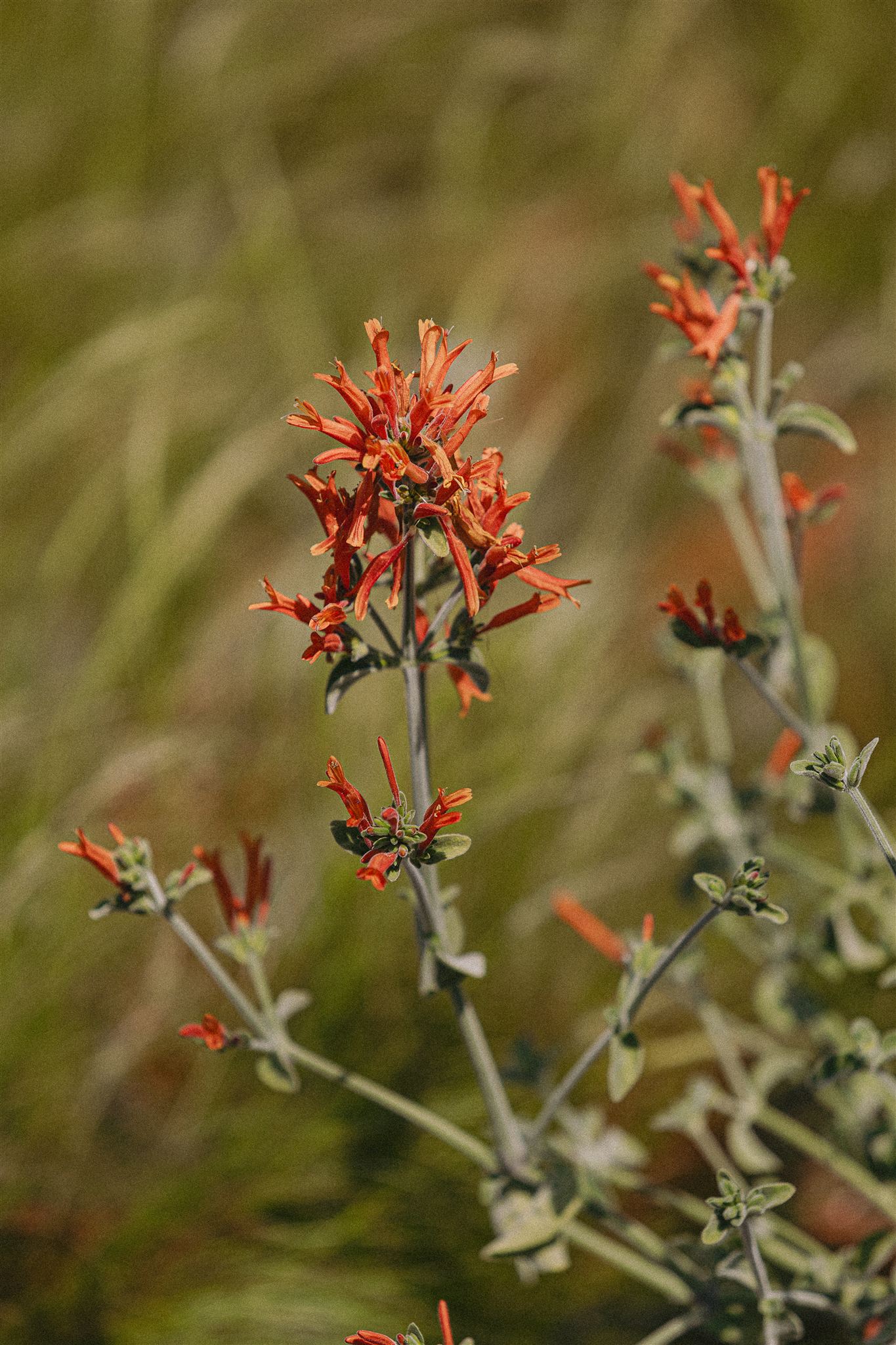
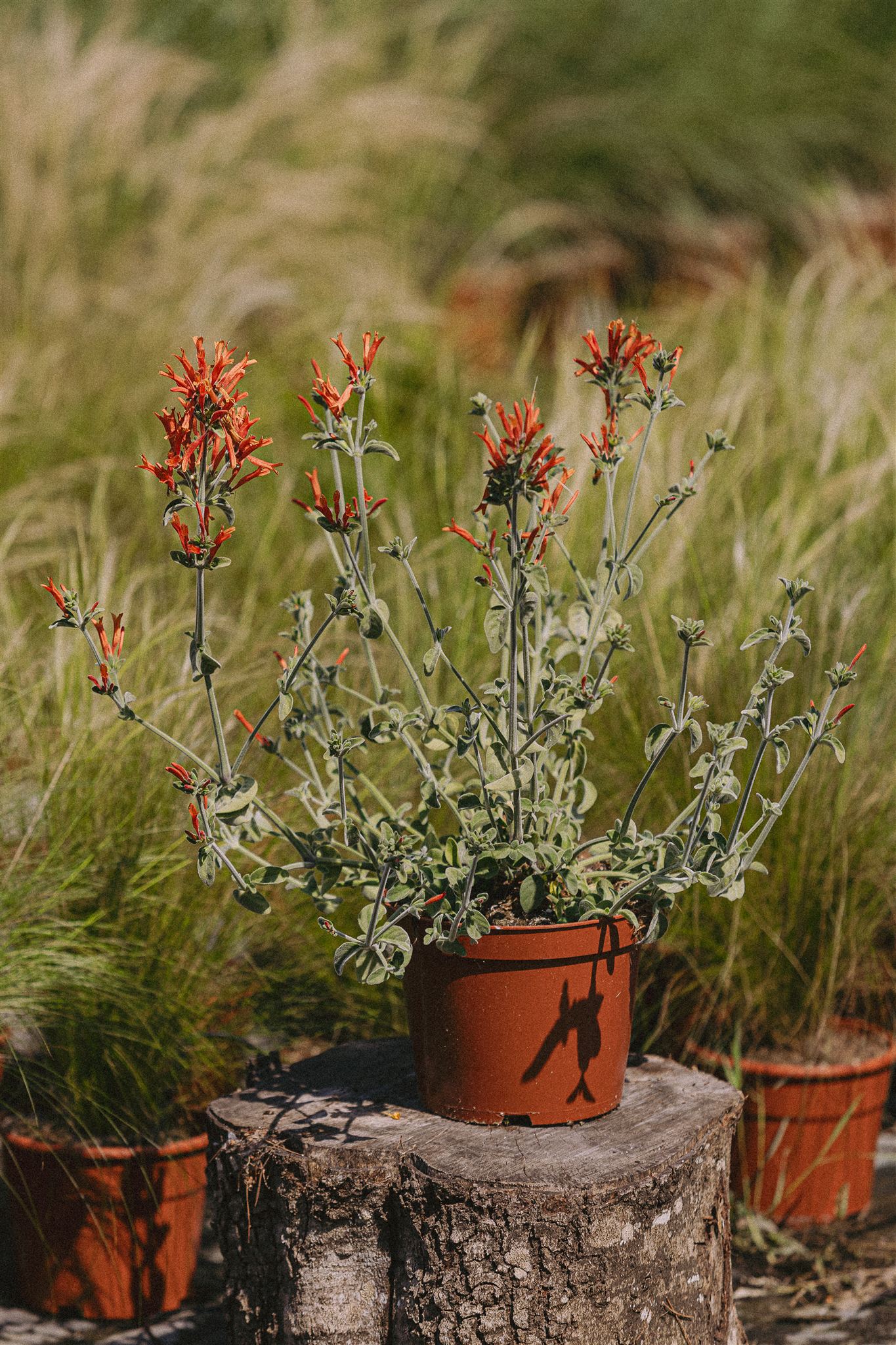
The Jacobinia suberecta (also often sold as Justicia suberecta or Dicliptera suberecta, depending on the nursery) is a highly ornamental flowering plant, valued for its light, continuous blooming in orange or warm red tones and its soft, grey-green foliage. It forms low, branched clumps that add texture and colour without feeling heavy, and works especially well in borders, sunny beds and pots where you want an exotic touch that is still easy to integrate.
Its tubular flowers attract pollinators and usually appear generously through the warmer months if the plant receives enough light. It is an excellent choice for low-maintenance gardens in temperate climates: it tolerates heat and, once established, copes with periods of moderate drought, provided the soil drains well.
Image gallery
Benefits
Warm, long-lasting flowering with great ornamental value.
Adds colour and texture to borders and pots without overwhelming the overall composition.
Attracts pollinators and brings life to the garden.
Good tolerance to heat and moderate drought once established.
A rewarding, easy plant as long as drainage is respected.
Its greyish foliage makes it a good fit for Mediterranean and contemporary compositions.
Special care
Free-draining soil: avoid heavy substrates or waterlogging; in pots, good drainage is essential.
Moderate watering: water regularly in summer, allowing the soil to dry slightly between waterings; reduce in winter.
High light: gentle direct sun or bright partial shade; with more sun, it tends to flower better.
Compact pruning: trim back the tips after a flush of flowers to keep it dense and encourage new growth.
Light feeding in season: use a flowering plant fertiliser every 3–4 weeks in spring and summer, without overdoing it.
Protection from cold: sensitive to frost; in colder areas, it is best to shelter it or treat it as a seasonal plant.
Ventilation: in humid environments, ensure good airflow to avoid fungal issues.
Occasional pests: watch for aphids or whitefly on tender new growth if the plant is under stress.