Category:
Home-grown
Aromatic and very hardy evergreen shrub, with violet flowers and a Mediterranean character, ideal for dry gardens, borders and pots in full sun.
Approx. height
Approx. width
Light
Ideal temp.
Toxicity
Maintenance
Recommended watering
Sales format
Our experts say
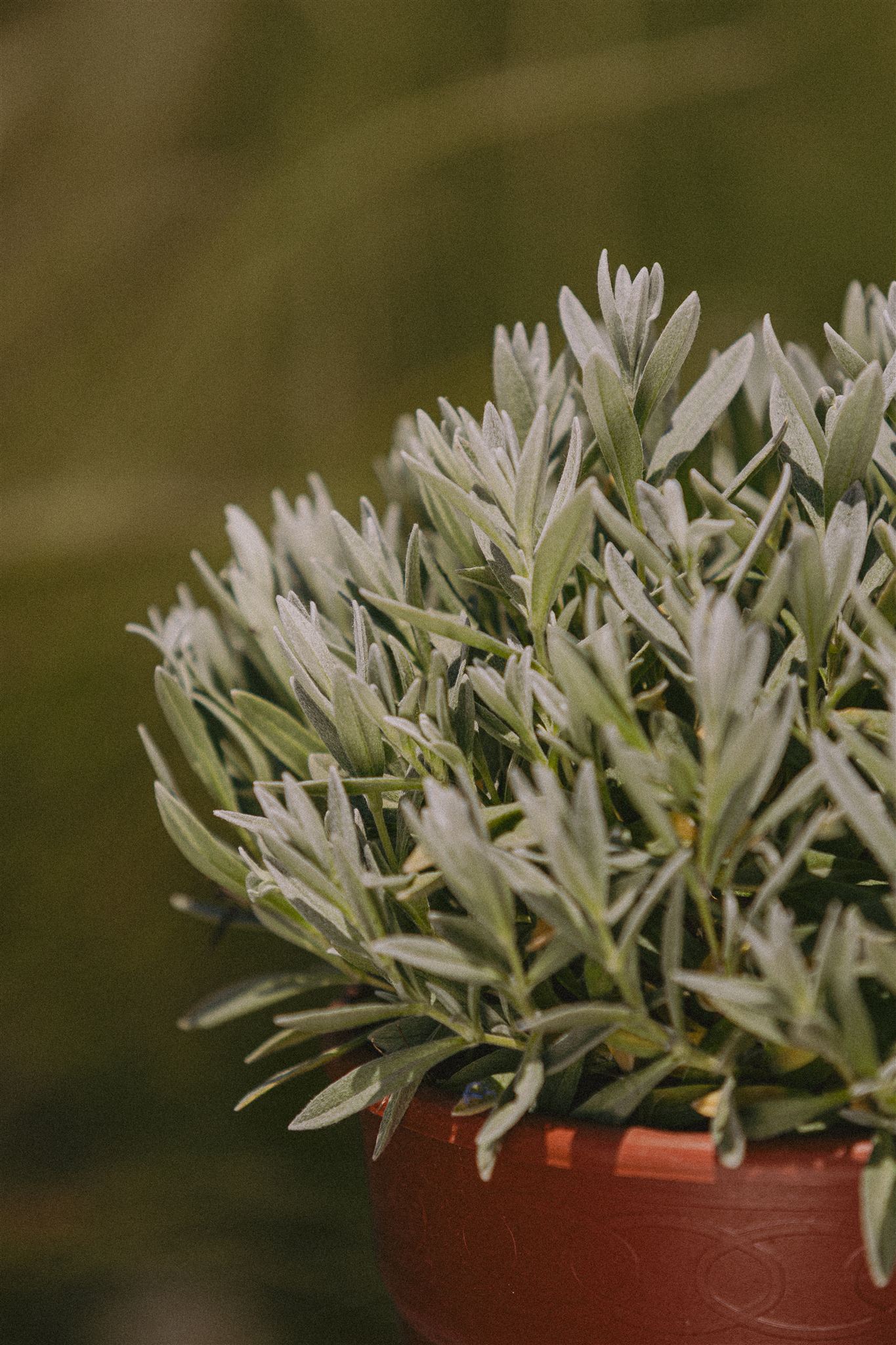
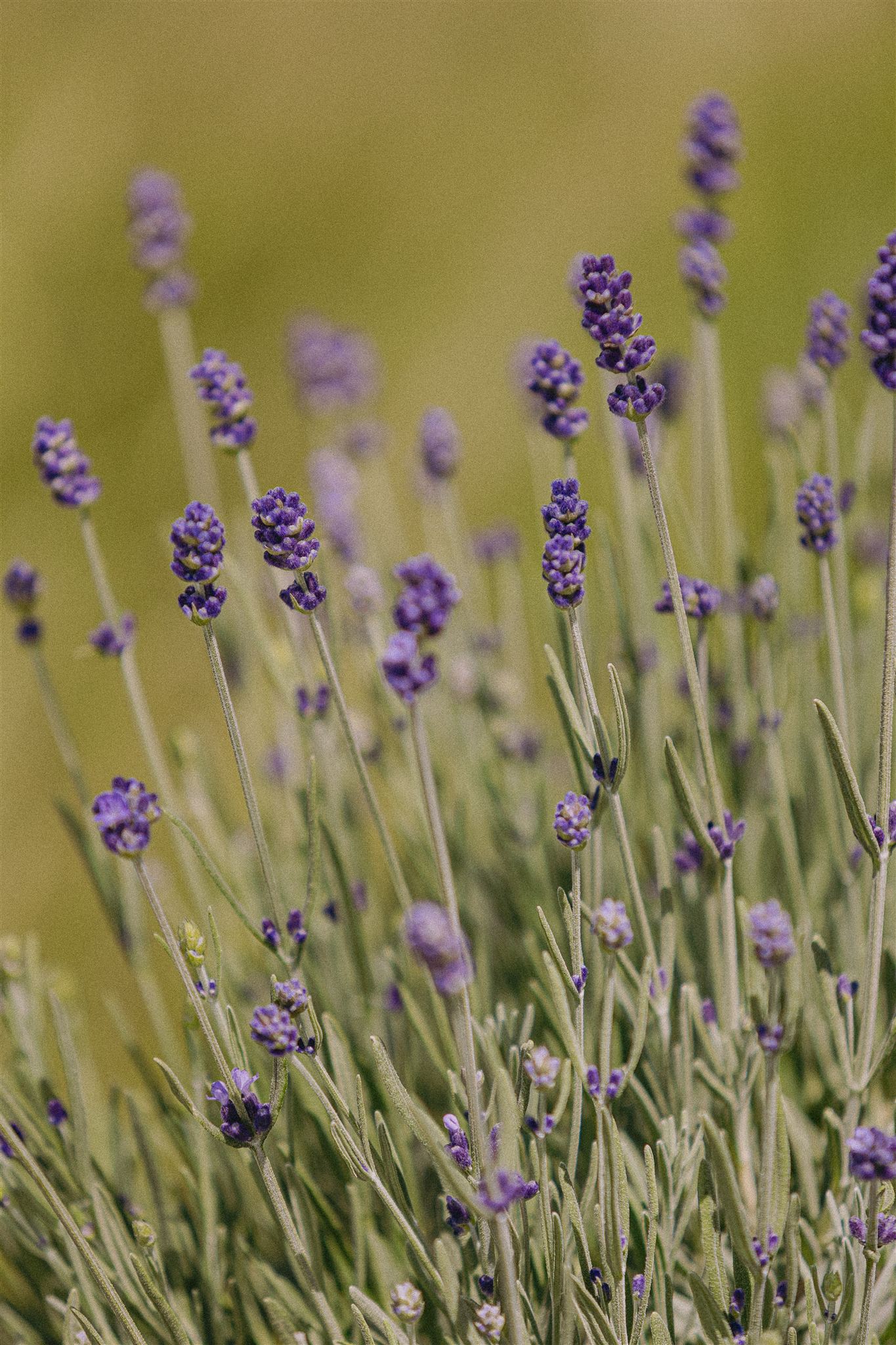
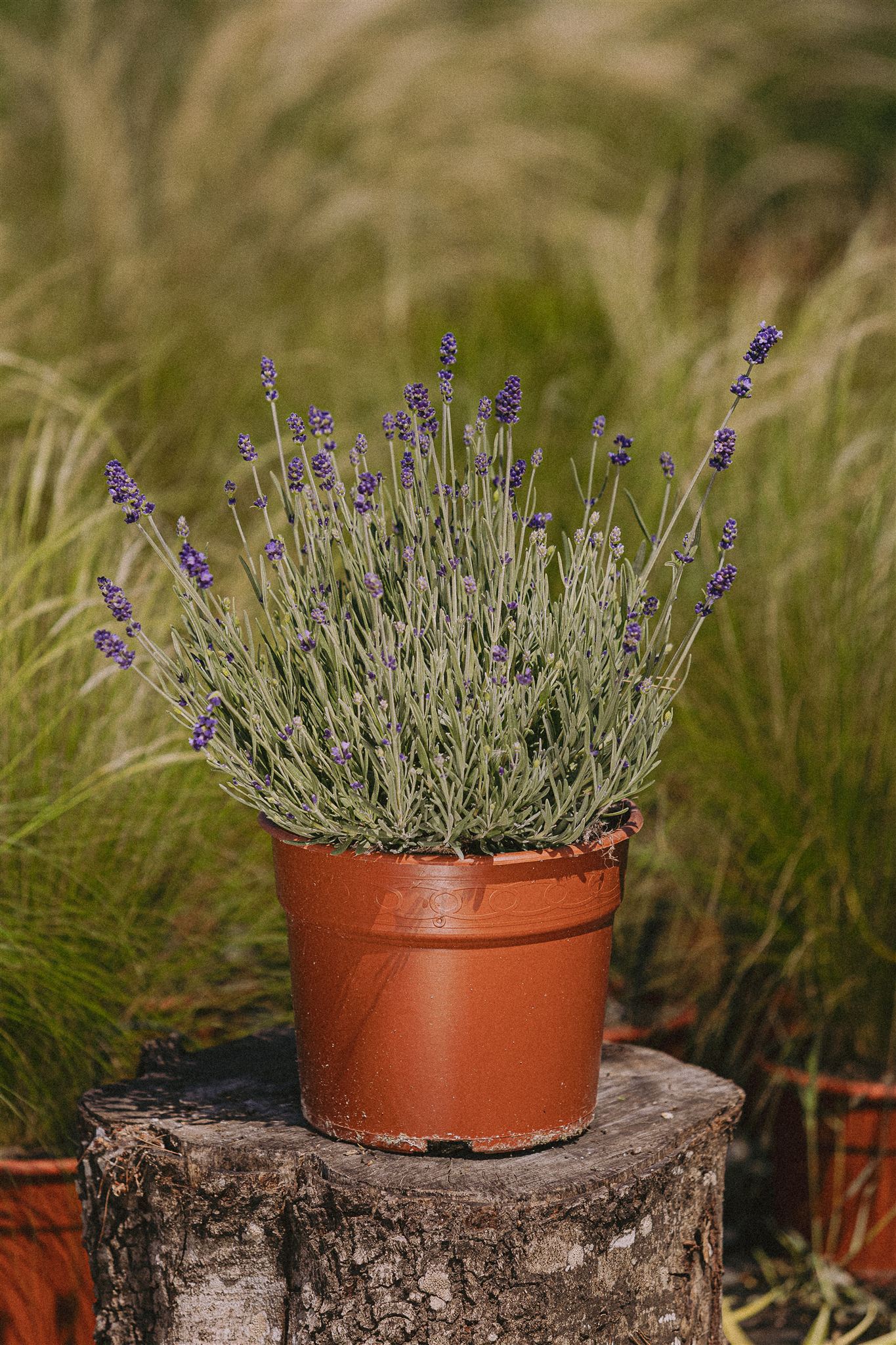
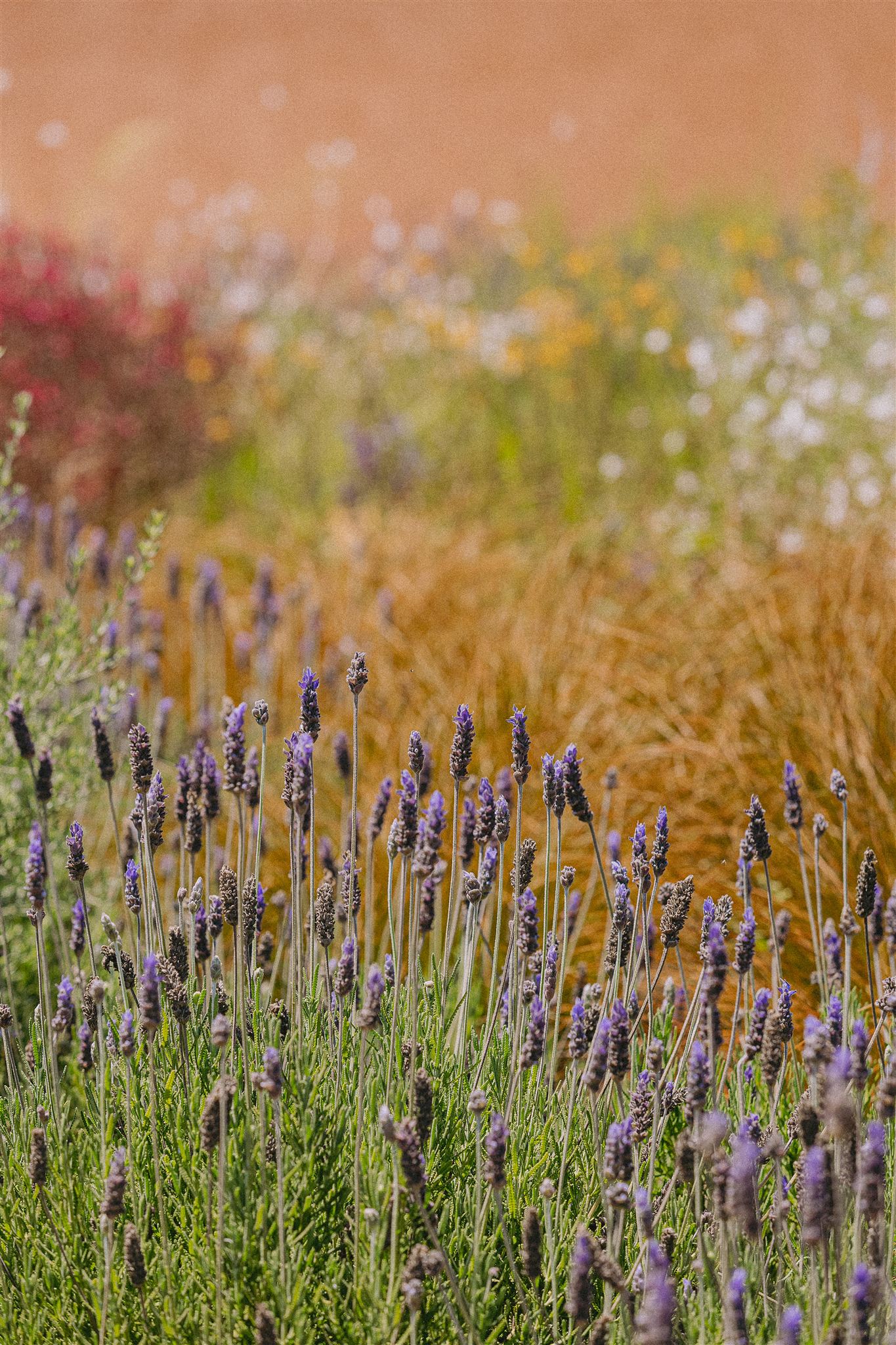
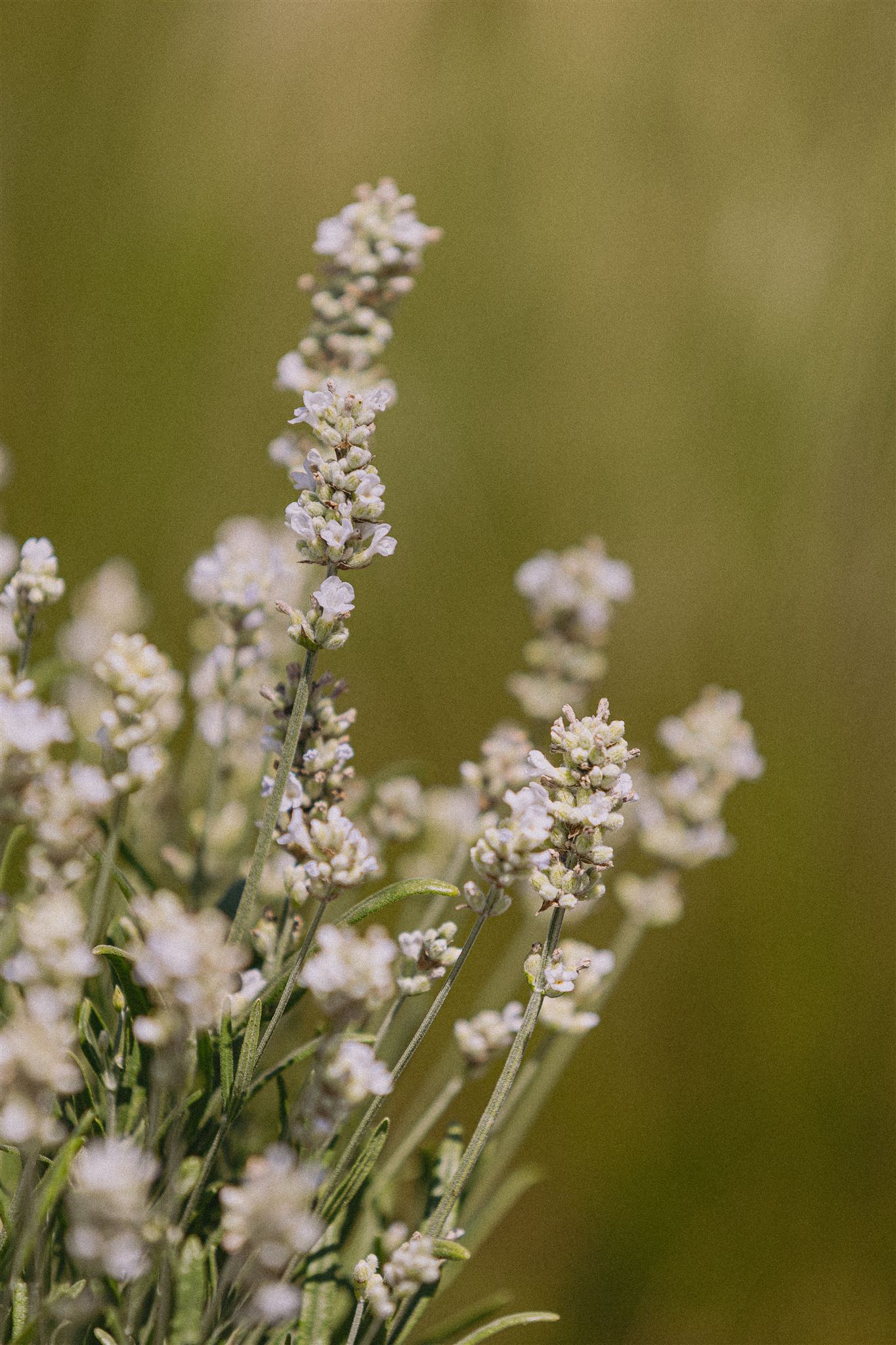
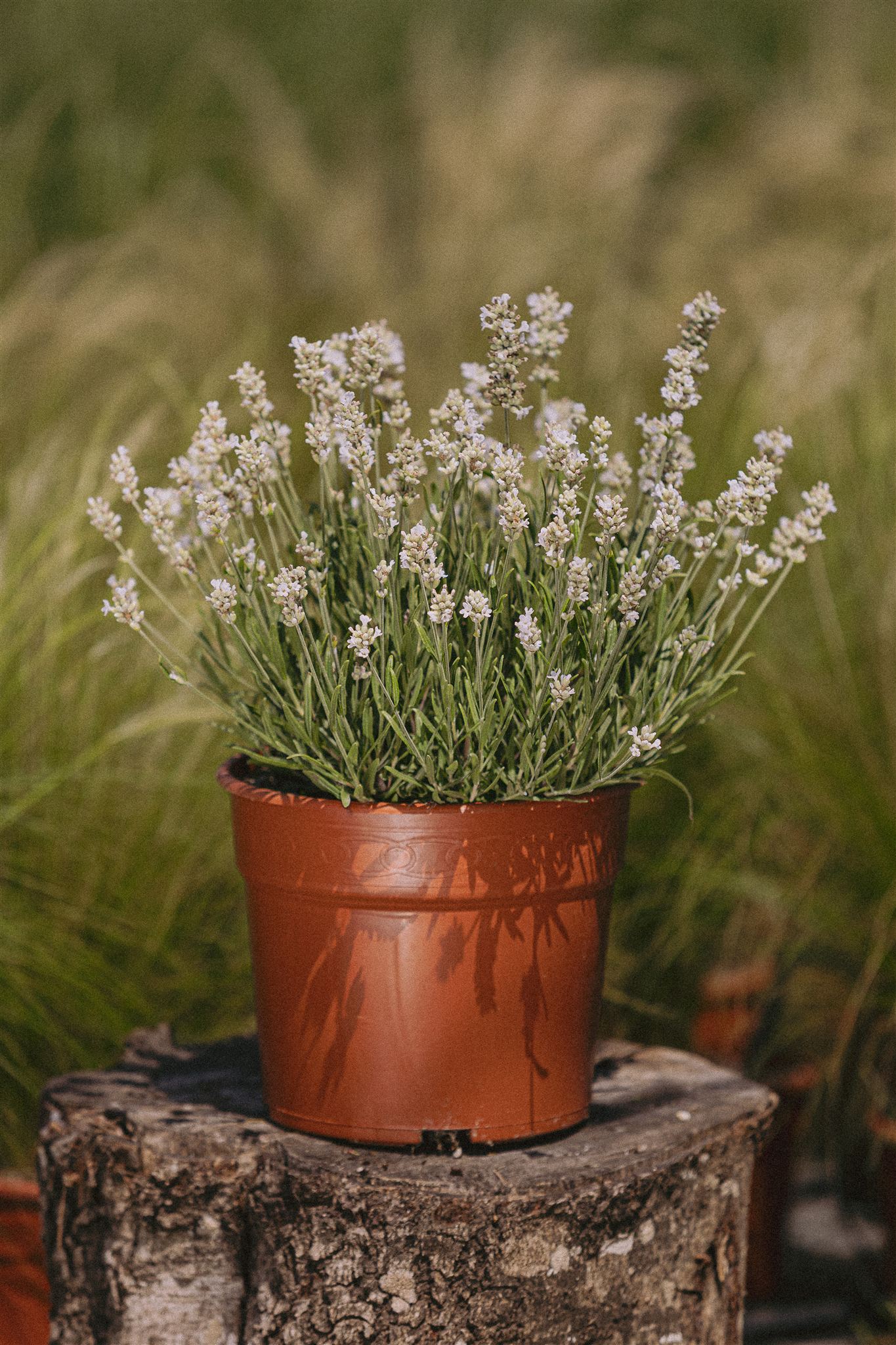
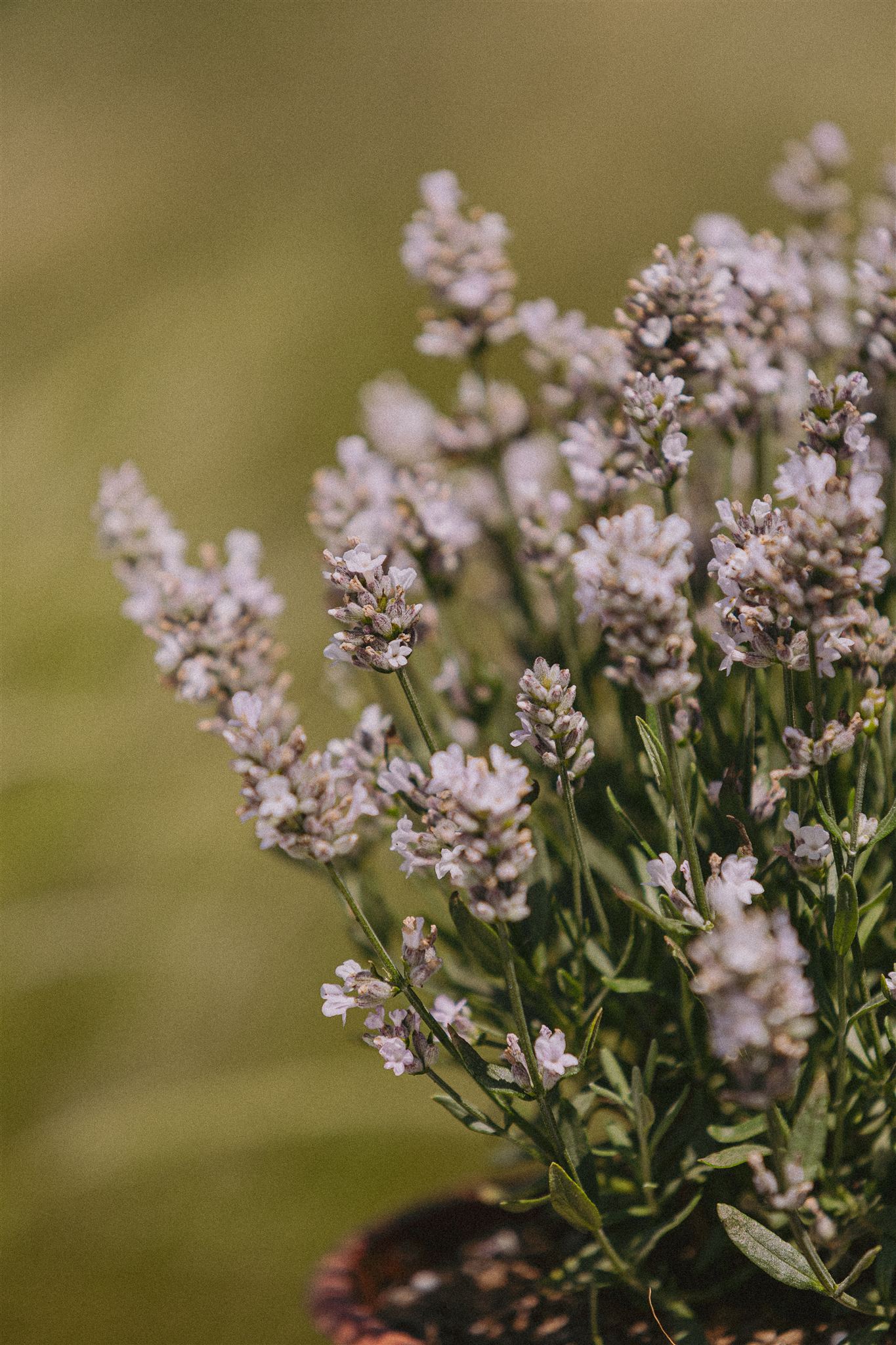
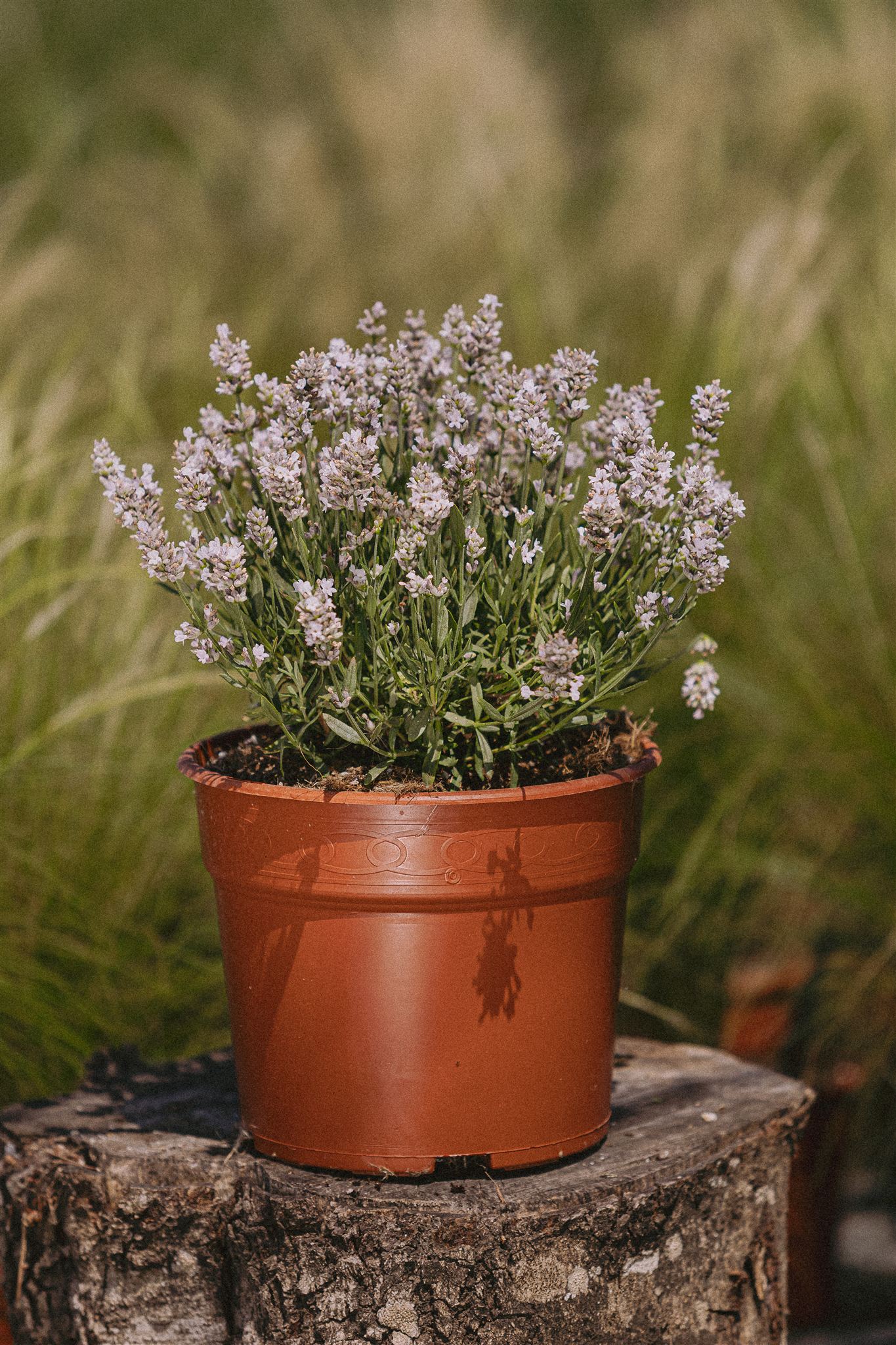
The Lavandula angustifolia (Lavender) is one of the most prized aromatic shrubs for its violet flowering, its clean scent and its ability to bring character to any garden with very little maintenance. It forms compact, rounded mounds, with grey-green foliage and flowering that appears in fine spikes during the warmer months, bringing plenty of life to the surroundings.
It is a plant made for sun, poor, well-drained soils and moderate watering at the start. Once established, it behaves like a true hardy plant: it thrives in the heat, tolerates drought well and remains visually interesting even when not in flower thanks to the colour of its foliage. It works just as well in borders, rock gardens, slopes, pots and low-water gardens, and combines especially well with other Mediterranean plants such as rosemary, thyme, santolina or cistus.
Image gallery
Benefits
Intense natural fragrance in the garden, on the terrace or patio.
Very attractive, decorative flowering spikes.
A great magnet for pollinators (bees and butterflies) during flowering.
Ideal for dry gardens and low-maintenance gardens.
Grey-green foliage that adds contrast all year round.
Very drought-resistant once well established.
Versatile: borders, rock gardens, pots, slopes and Mediterranean-style gardening.
Special care
Mandatory drainage: excess water is the most common problem; avoid heavy or waterlogged soils.
Direct sun: at least 6 hours a day for abundant flowering and a compact habit.
Low watering once established: initially, water moderately and sparingly; afterwards, only when the growing medium is dry.
Correct annual pruning: trim after flowering to maintain shape; do not cut old leafless wood.
Poorer substrate is better than rich: too much nitrogen produces lots of foliage and fewer flowers; feed little or not at all if planted in the ground.
Good ventilation: avoid planting too densely to reduce the risk of fungal disease in humid conditions.
In a pot: use a very airy mix (with a mineral component) and a pot with a large drainage opening.