Category:
Home-grown
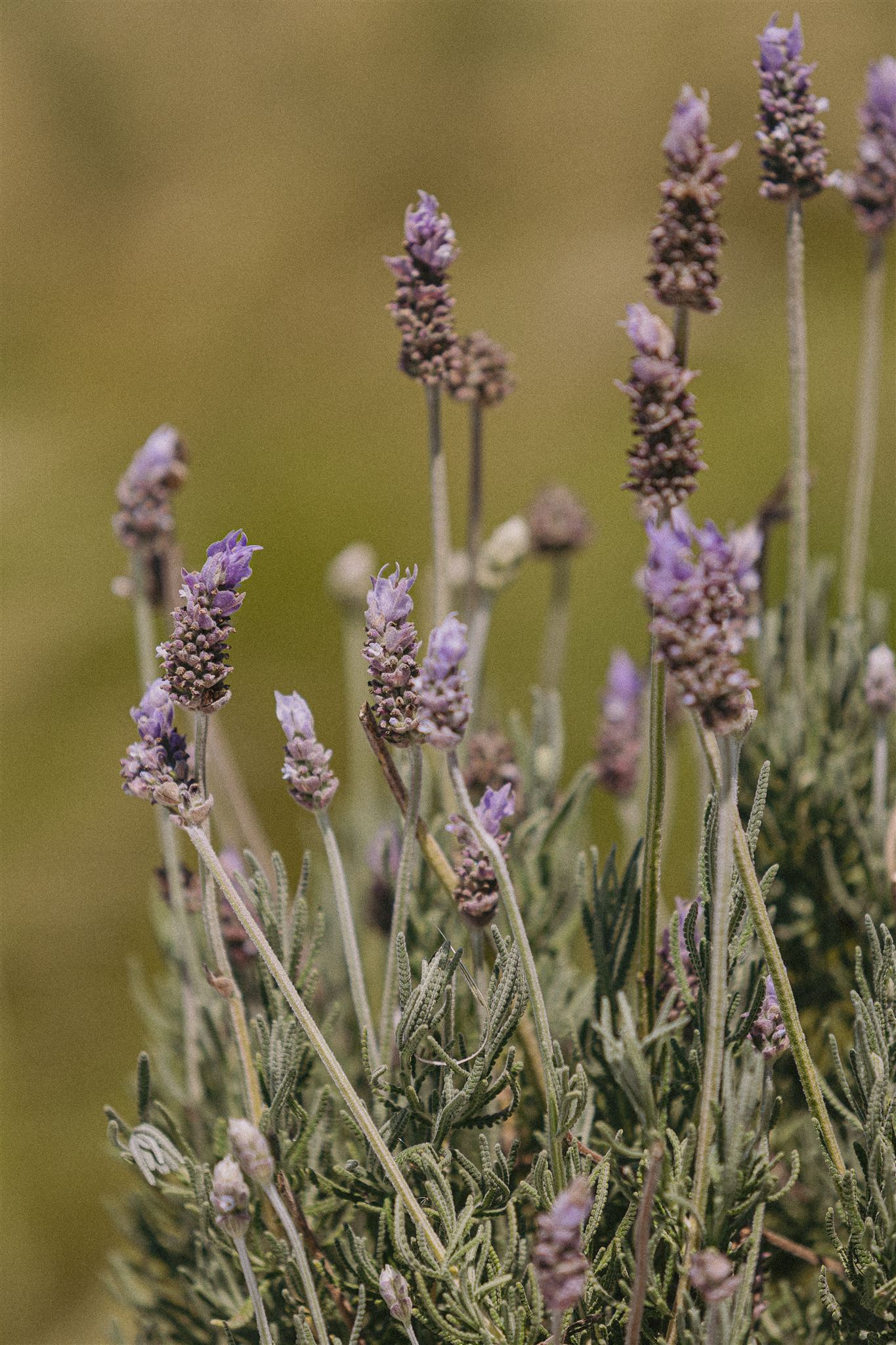
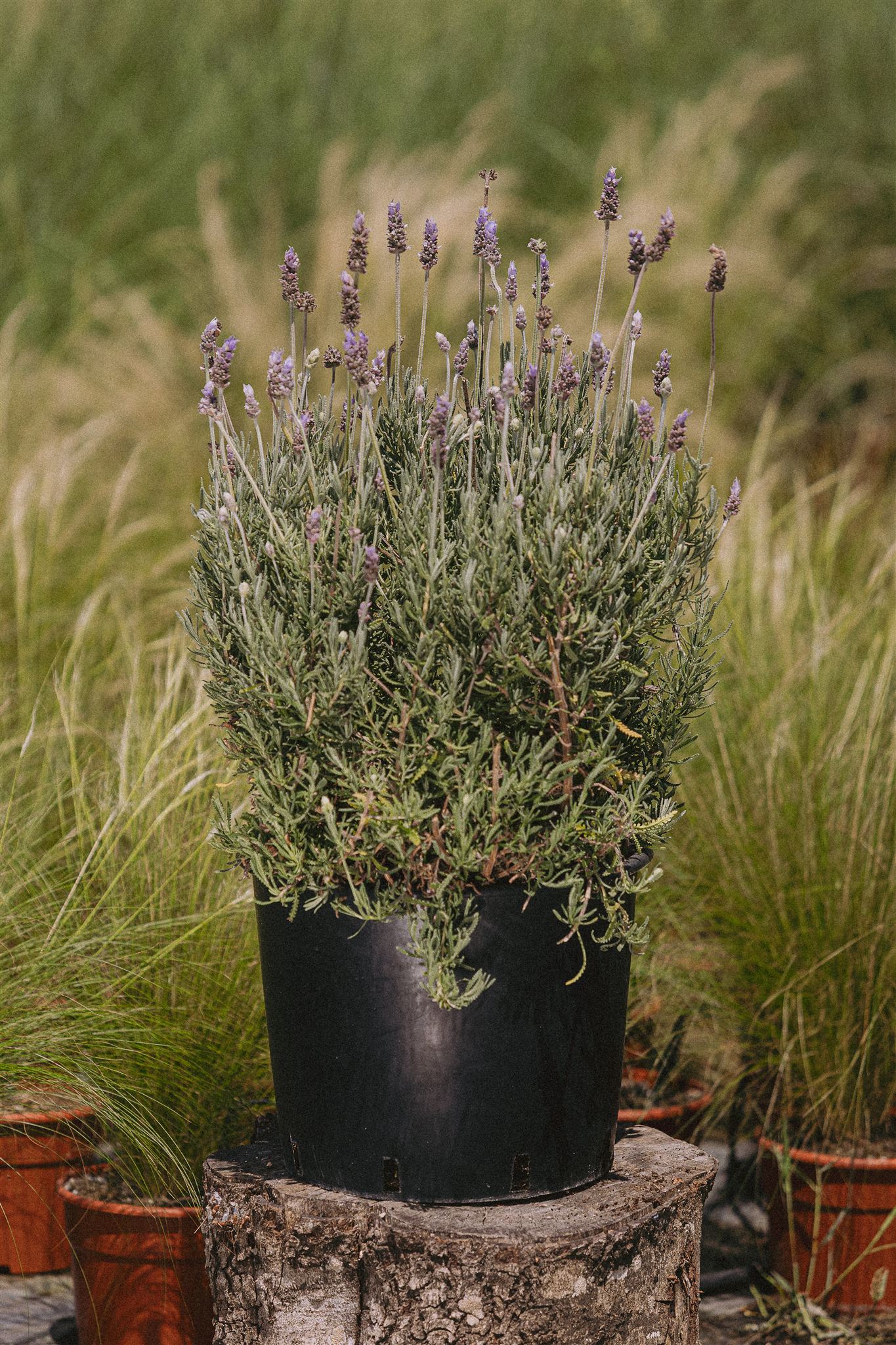
Aromatic Mediterranean shrub with violet flowers and serrated leaves, highly resilient and perfect for dry, sunny gardens.
Approx. height
Approx. width
Light
Ideal temp.
Toxicity
Maintenance
Recommended watering
Sales format
Our experts say
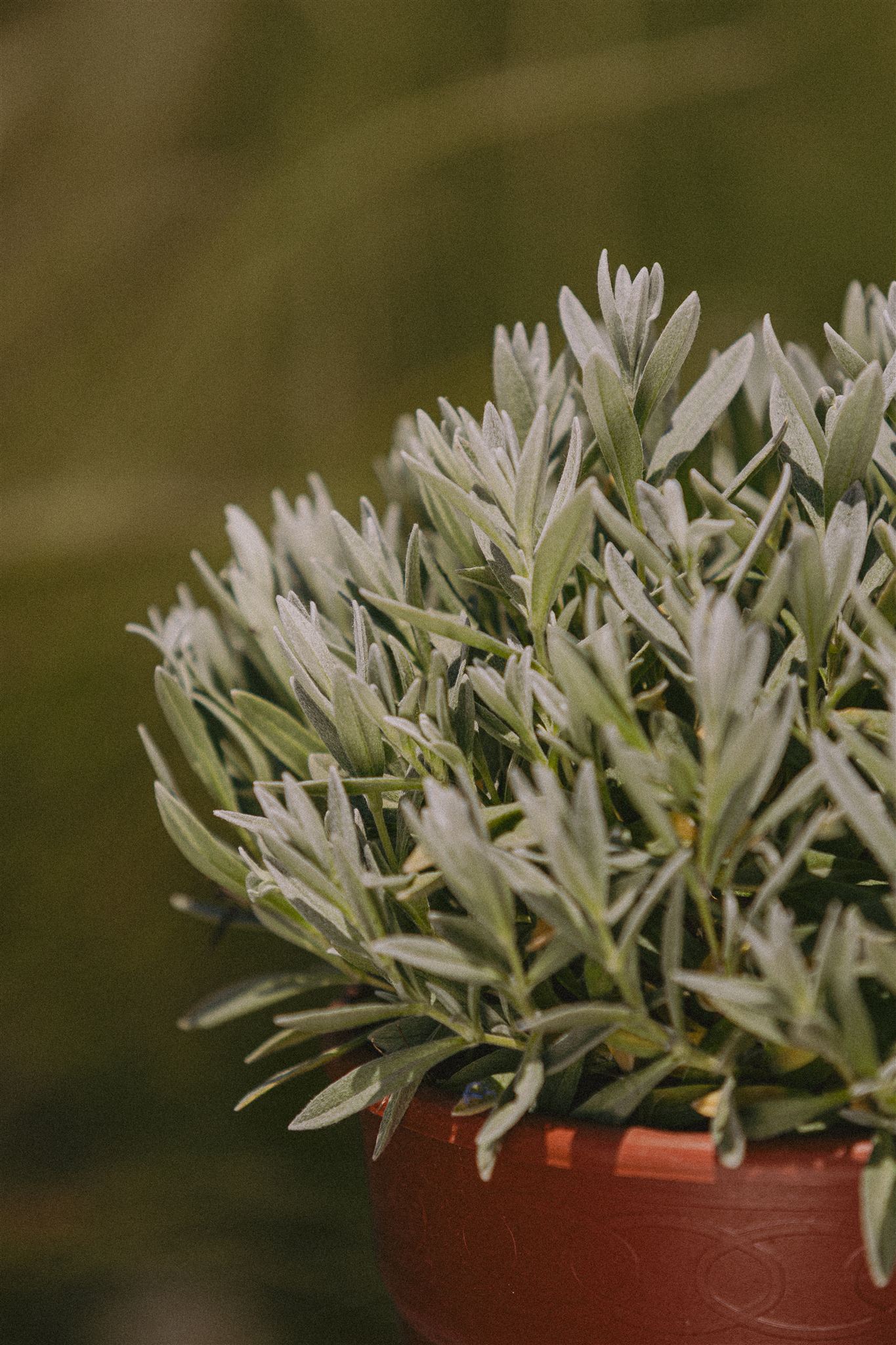
The Lavandula dentata is a lavender with a distinctly Mediterranean character, valued for its grey-green foliage and violet flower spikes, topped with small bracts that give it a truly unmistakable appearance. Unlike other lavenders, it stands out for its “toothed” leaf edges (hence its name), which add texture and a wilder feel. In mild climates it can flower for long periods, bringing colour and fragrance consistently.
It is an ideal plant for low-maintenance gardens, borders, rockeries and pots, especially in sunny spots. Its drought tolerance, ability to attract pollinators and intense fragrance make it an excellent choice for adding structure, scent and a natural touch all year round.
Image gallery
Benefits
Intense fragrance and grey foliage that provides contrast all year round.
Prolonged violet flowering in mild climates.
Highly drought-resistant and suitable for low-water gardens.
Attracts bees, butterflies and other pollinators.
Ideal for borders, pots, rock gardens and Mediterranean-style compositions.
Special care
Needs full sun to grow compactly and flower profusely.
Requires very well-drained soil; avoid waterlogging and heavy growing media.
Low watering: water only when the growing medium is dry; in pots, keep an eye on it in summer without overdoing it.
Prune lightly after flowering to maintain its rounded shape and encourage new shoots.
Avoid fertilisers rich in nitrogen; it usually performs better in poor soils.
In very humid environments, ensure good ventilation to prevent fungal problems.
It is less resistant to intense cold than lavandula angustifolia; protect it if there are hard frosts.