Category:
Home-grown
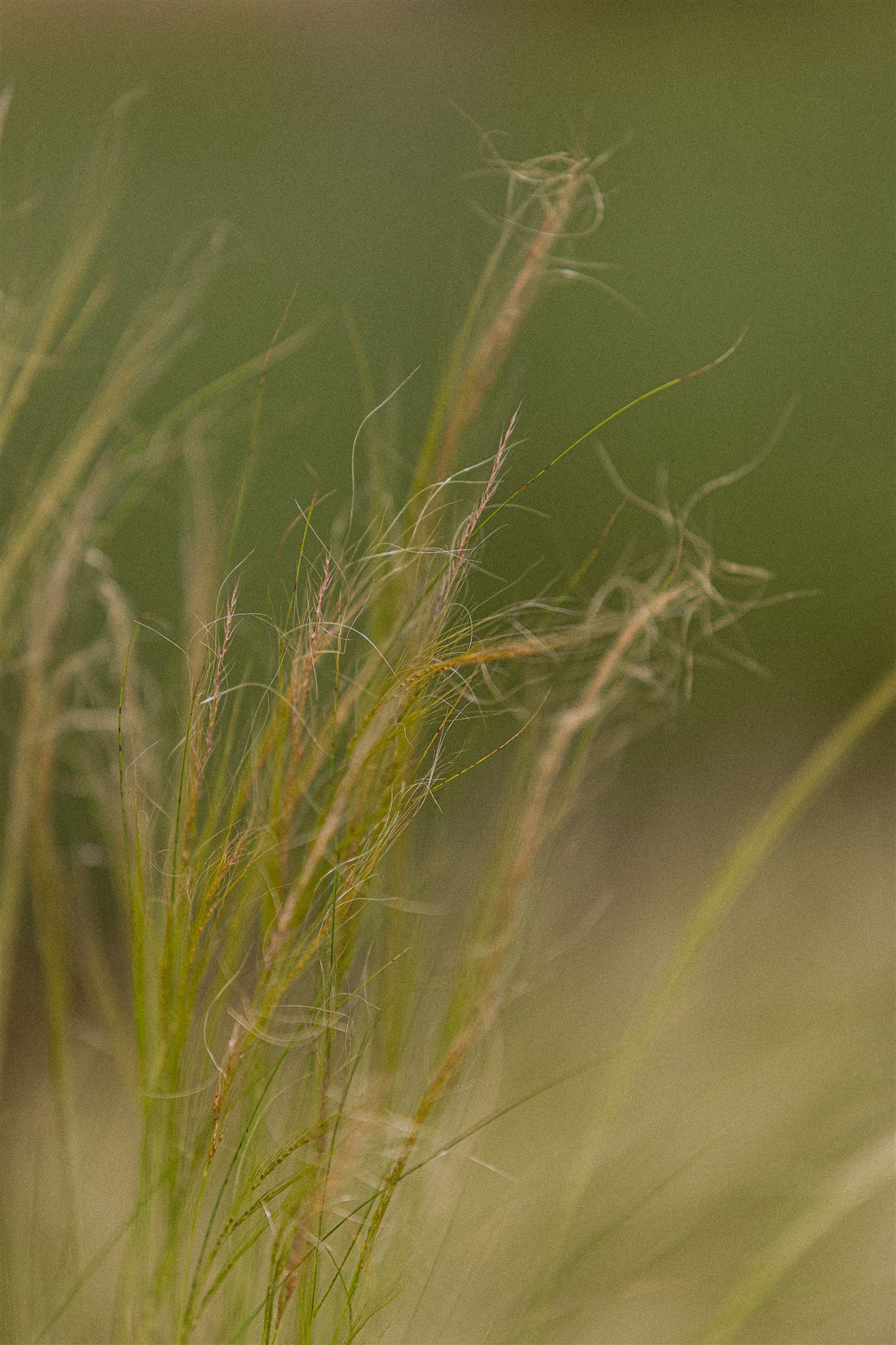
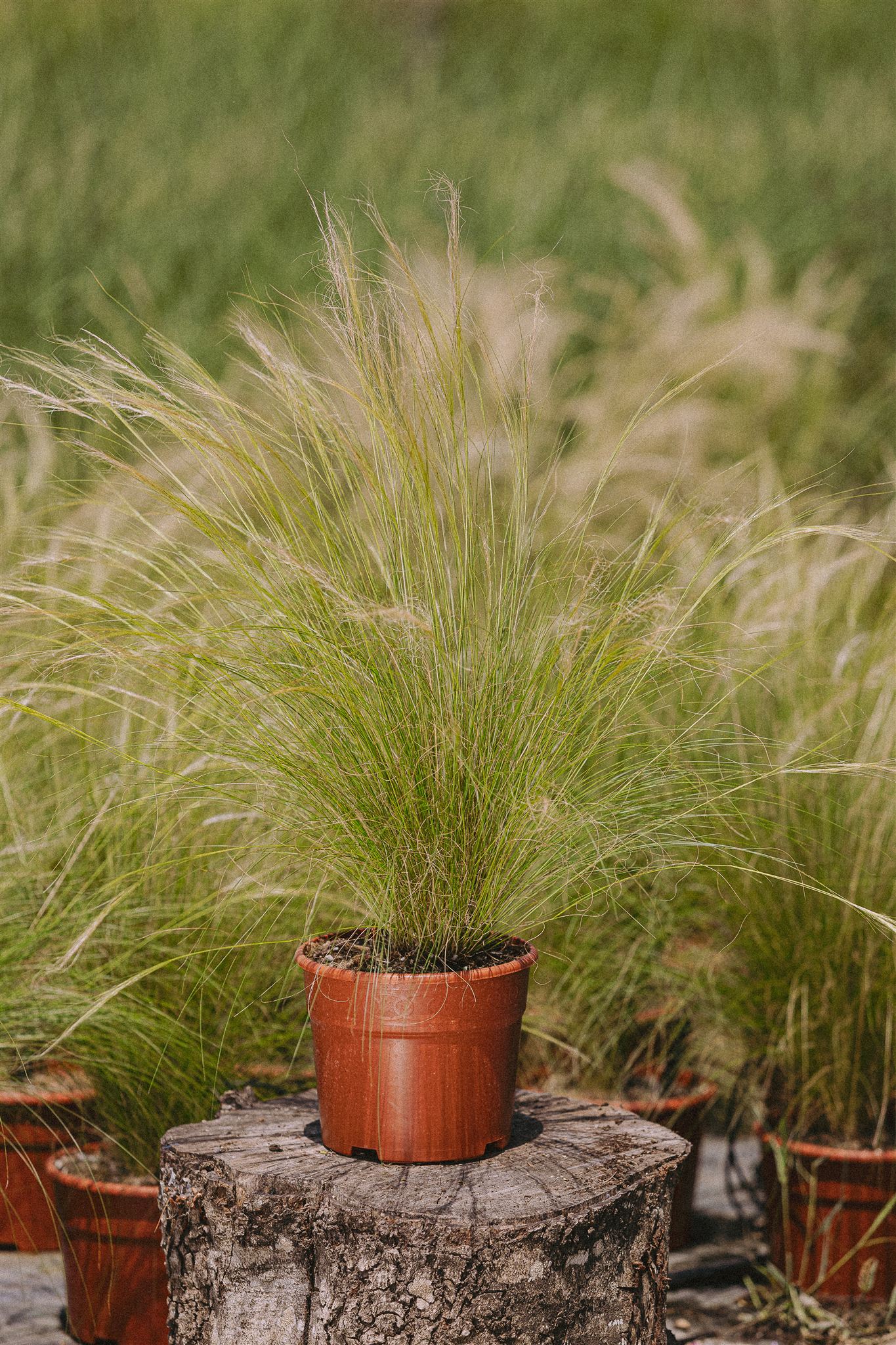
A light, highly decorative ornamental grass, perfect for natural and Mediterranean gardens, bringing movement and texture with minimal watering.
Approx. height
Approx. width
Light
Ideal temp.
Toxicity
Maintenance
Recommended watering
Sales format
Our experts say
The Stipa tenuissima (updated botanical name Nassella tenuissima) is an ornamental grass with a light, airy habit and a silky texture, much admired for the movement it brings to the garden. It forms fine, dense clumps with a soft appearance, which sway in the wind and create a natural, elegant effect throughout the year. In spring and summer it produces delicate flower spikes that enhance that sense of lightness and volume.
It is a particularly useful plant for low-maintenance gardens because it handles sun, heat and moderate drought well once established. It works very well in beds, borders, rock gardens and also in pots, combining beautifully with flowering perennials and Mediterranean shrubs. It adds structure without making the space feel rigid and is perfect for contemporary or naturalistic designs.
Image gallery
Benefits
Brings movement and a natural, light feel to garden design.
An excellent choice for low-maintenance gardens and reduced water use.
Fine texture that pairs easily with blooms and Mediterranean shrubs.
Works well in beds, borders and pots.
Maintains ornamental interest for much of the year, even without flowers.
Special care
Needs full sun to stay compact and healthy; in partial shade it tends to open up.
Requires very free-draining soil; avoid waterlogging, especially in winter.
Moderate watering when planting; afterwards, low and spaced out.
There is no need to overfeed it: soil that is too rich can make it weaker and less compact.
At the end of winter, comb through and trim the clump (or cut back to half height) to remove dry leaves and encourage regrowth.
In very humid areas it can deteriorate; in that case, improve drainage or place it in a more airy spot.
It performs better if it is renewed every few years (it often loses vigour over time in some gardens).