Category:
Home-grown
Elegant ornamental grass with a graceful habit, ideal for adding volume and movement to sunny gardens, hardy and requiring moderate watering.
Approx. height
Approx. width
Light
Ideal temp.
Toxicity
Maintenance
Recommended watering
Sales format
Our experts say
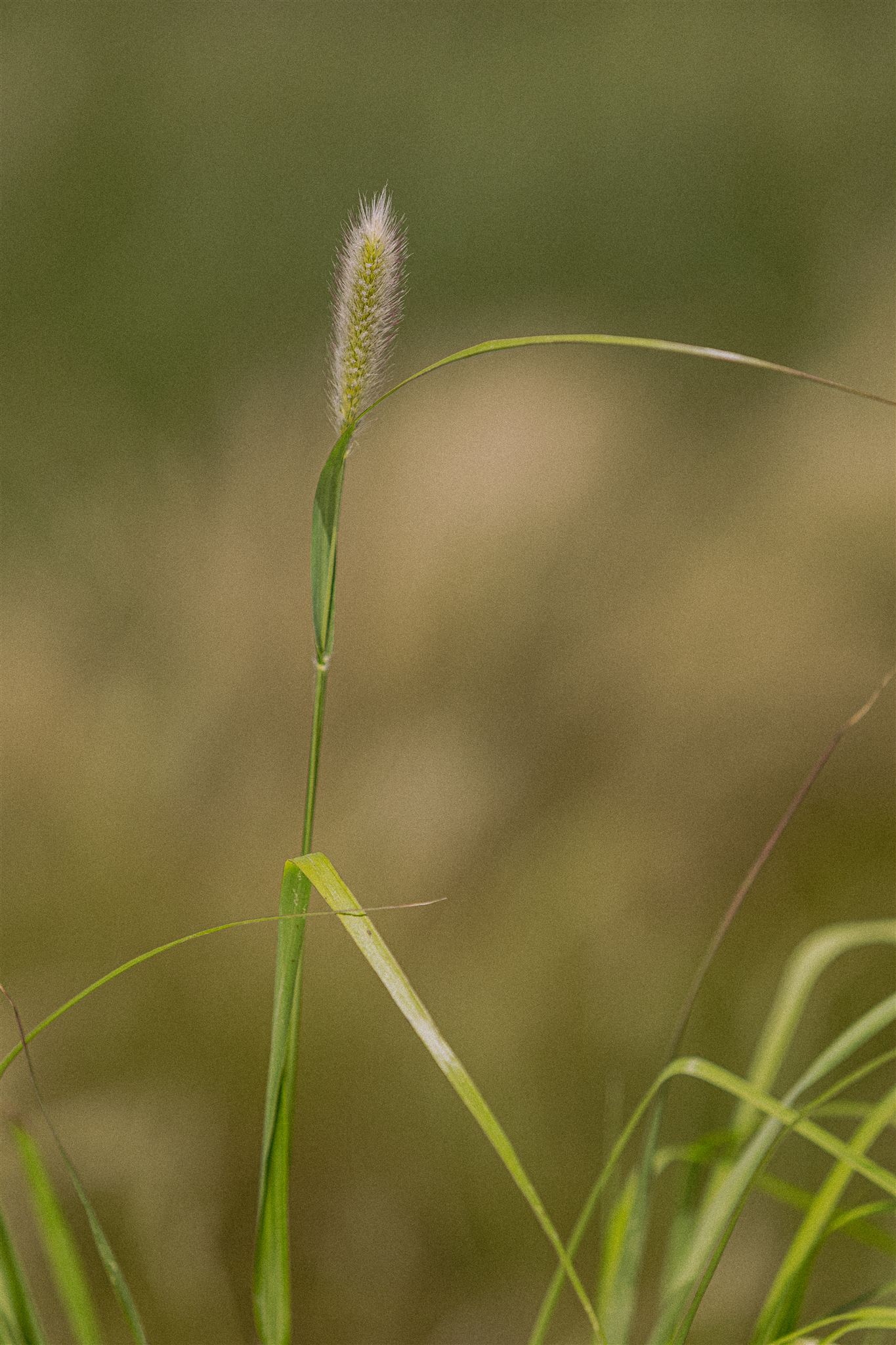
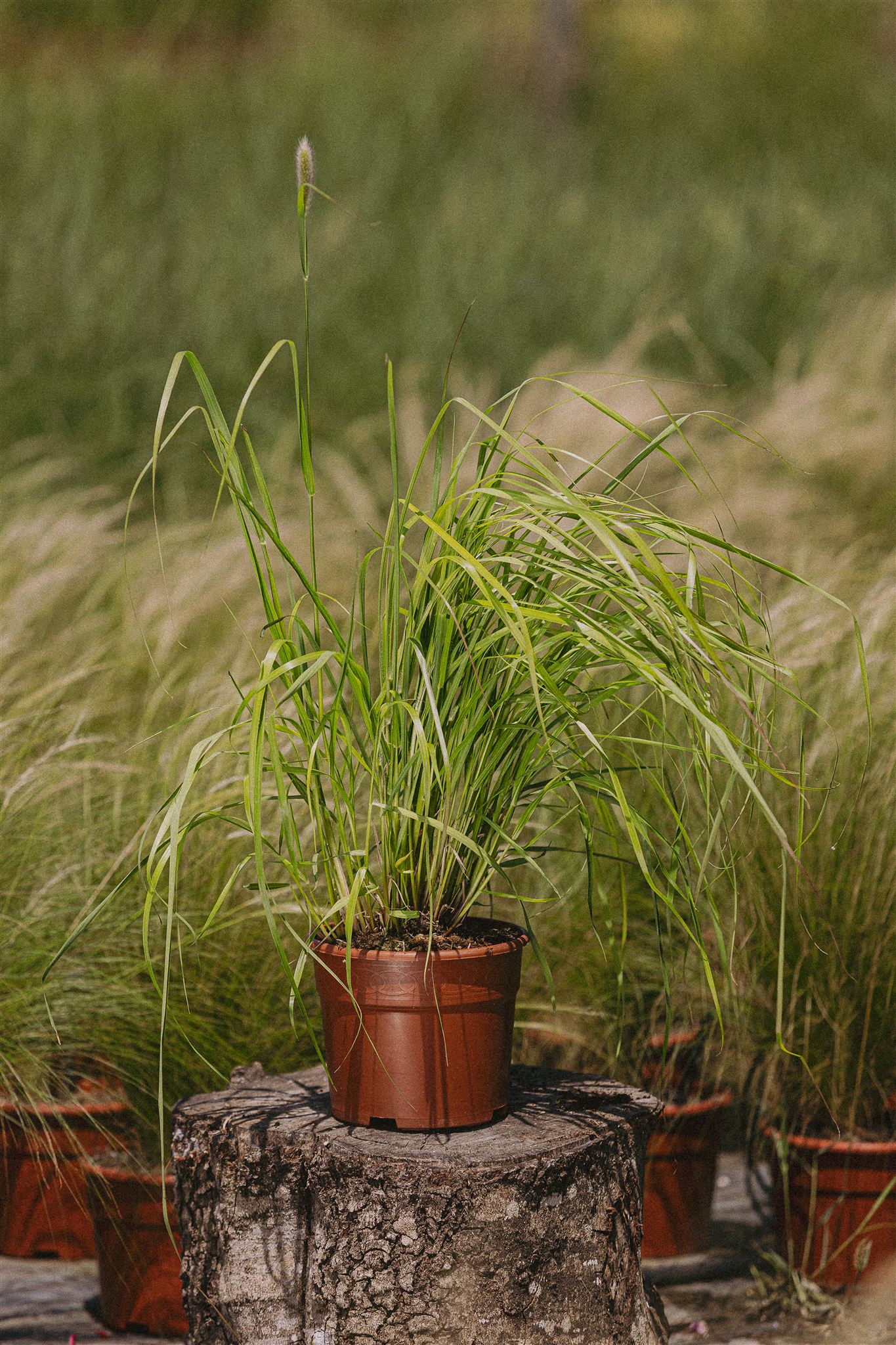
The Pennisetum thunbergii is an ornamental grass of great landscape value, appreciated for its elegant habit and its soft, decorative spikes, which bring movement and texture to the garden. It forms dense clumps of fine, arching leaves that create volume naturally and blend very well into beds, borders and contemporary or naturalistic plantings. In season, it produces plume-like inflorescences that sway in the wind and bring visual lightness for months.
It is a hardy, rewarding plant, especially useful for adding structure without making the space feel rigid. It works well both in the ground and in large pots, and pairs especially well with flowering perennials, Mediterranean shrubs and other grasses. With moderate watering and a sunny position, it maintains a neat, highly ornamental appearance.
Image gallery
Benefits
Brings movement, texture and volume with a natural, elegant look.
Very decorative ornamental spikes for flower beds and borders.
Hardy, easy-care plant with moderate watering.
Ideal for contemporary, naturalistic designs and sustainable gardens.
Blends easily with other species and enhances the garden's visual structure.
Special care
Place in full sun for compact growth and good flowering; it tolerates partial shade, but flowers less.
Needs well-drained soil; prolonged waterlogging is not suitable.
Moderate watering: more regular during the first year and in summer; afterwards it tolerates some drought.
At the end of winter, cut back the clump (or trim to 10–20 cm depending on the climate) to renew it and stimulate new shoots.
Appreciates a light dressing of compost or balanced fertiliser in spring.
In a pot, use a spacious container and monitor watering in summer so it does not stay dry for too long.
Remove dried flower spikes if you want a tidier look, or leave them for ornamental interest in autumn and winter.