Category:
Home-grown
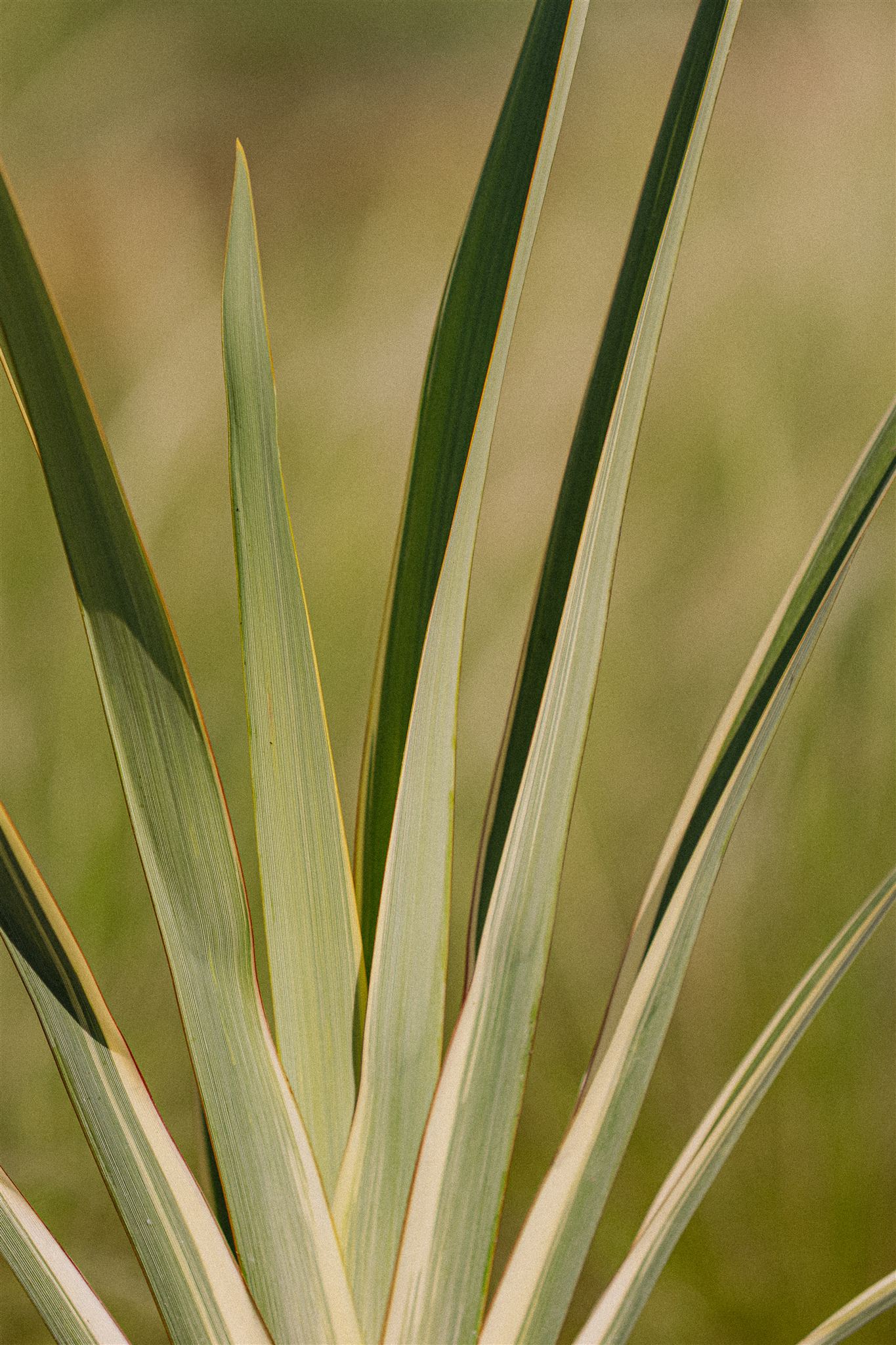
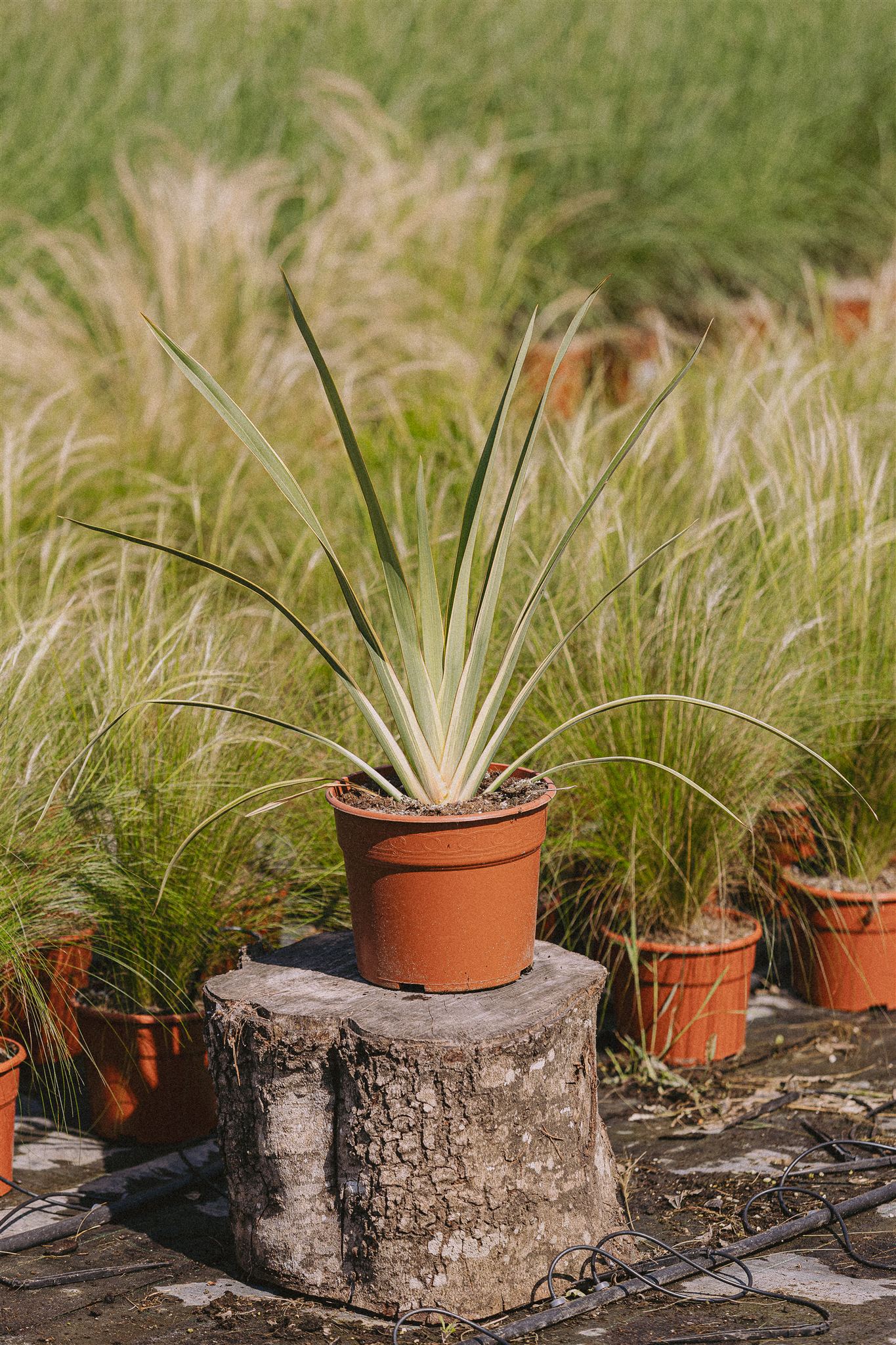
Highly architectural perennial plant with sword-shaped leaves, ideal for adding structure to Mediterranean and modern gardens, and tolerant of sun and wind.
Approx. height
Approx. width
Light
Ideal temp.
Toxicity
Maintenance
Recommended watering
Sales format
Our experts say
The Formio or New Zealand flax (Phormium tenax) is a perennial plant with architectural form, highly valued for its long, strap-like leaves and its ability to provide structure all year round. It forms dense, upright clumps with a clean, tidy appearance that works just as well in Mediterranean gardens as in contemporary schemes. Depending on the variety, the foliage may be deep green or show decorative tones and stripes, and in suitable conditions it can produce tall flower spikes with tubular flowers, understated but interesting.
It is a resilient plant, especially useful for creating focal points, bold borders or combinations with grasses and shrubs. It tolerates sun, wind and periods of moderate drought once established, provided the soil drains well. It also performs very well in a large pot, bringing height and volume with very little maintenance.
Image gallery
Benefits
Provides structure and verticality all year round.
Ideal for low-maintenance gardens with a clean, contemporary look.
Good tolerance of wind and heat once established.
Works very well as a feature plant or to set the rhythm in borders.
Excellent in a large pot, adding volume without the need for flowering.
Combines easily with grasses, lavender, pittosporum, agaves and flowering perennials.
Allows rejuvenation by division and remains decorative with minimal care.
Special care
Essential drainage: it does not tolerate waterlogging; use an airy substrate and a pot with good drainage if it is in a container.
Moderate watering at the start: during the first year, water regularly; afterwards, water sparingly to moderately depending on exposure and heat.
Leaf cleaning: remove dry or damaged leaves from the base to keep the plant tidy and prevent pests.
Avoid cutting the tips: if leaves are trimmed, the cut remains visible; it is better to remove whole leaves from the base.
Sun or bright partial shade: with more sun it usually grows more compact; in partial shade it stays in good condition if there is enough light.
Protection from intense cold: severe frosts can scorch leaves; in cold areas, place it in a sheltered spot or protect the base.
Clump division: every 3–5 years it can be divided to rejuvenate it and control its size.