Category:
Home-grown
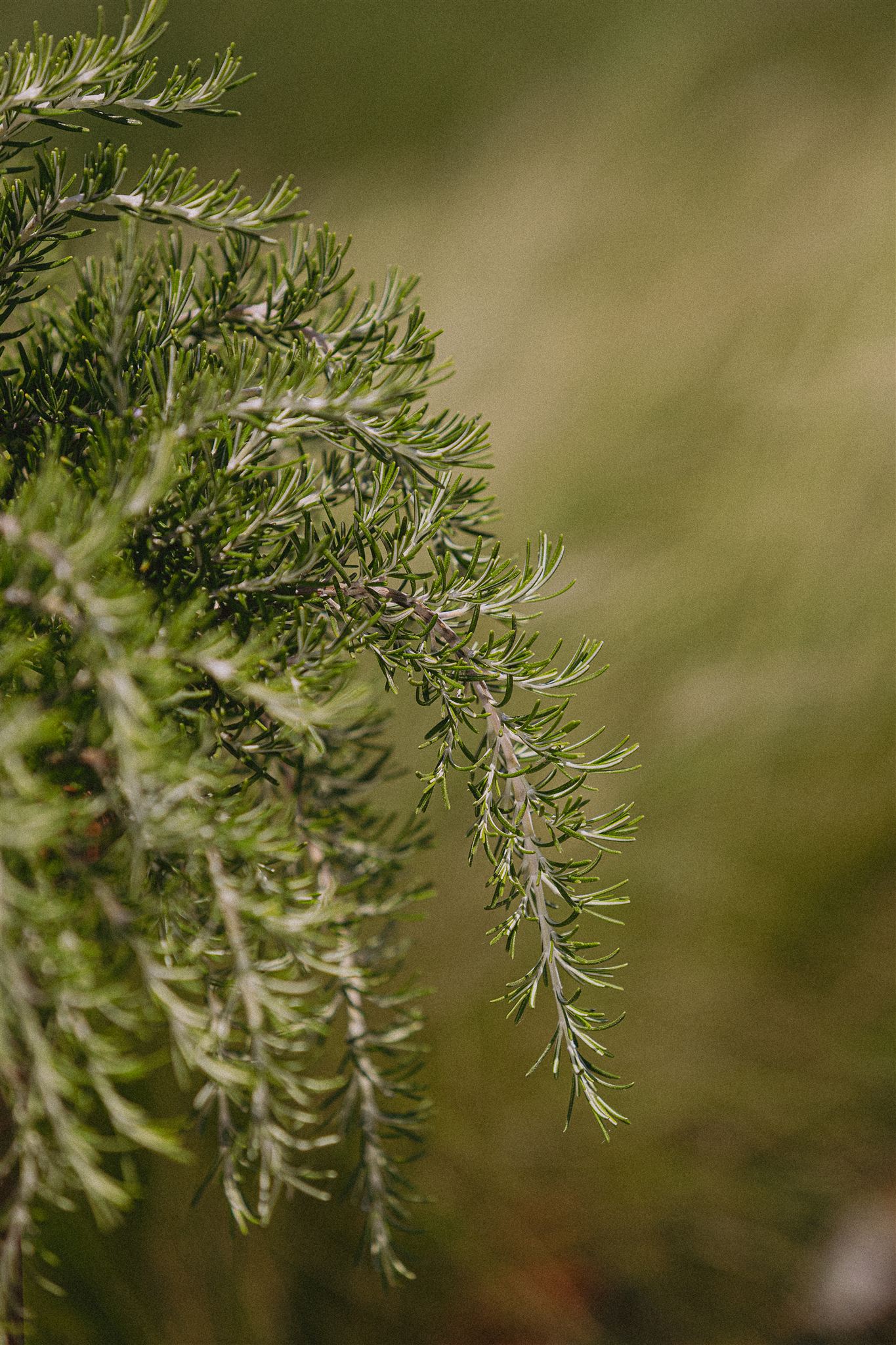
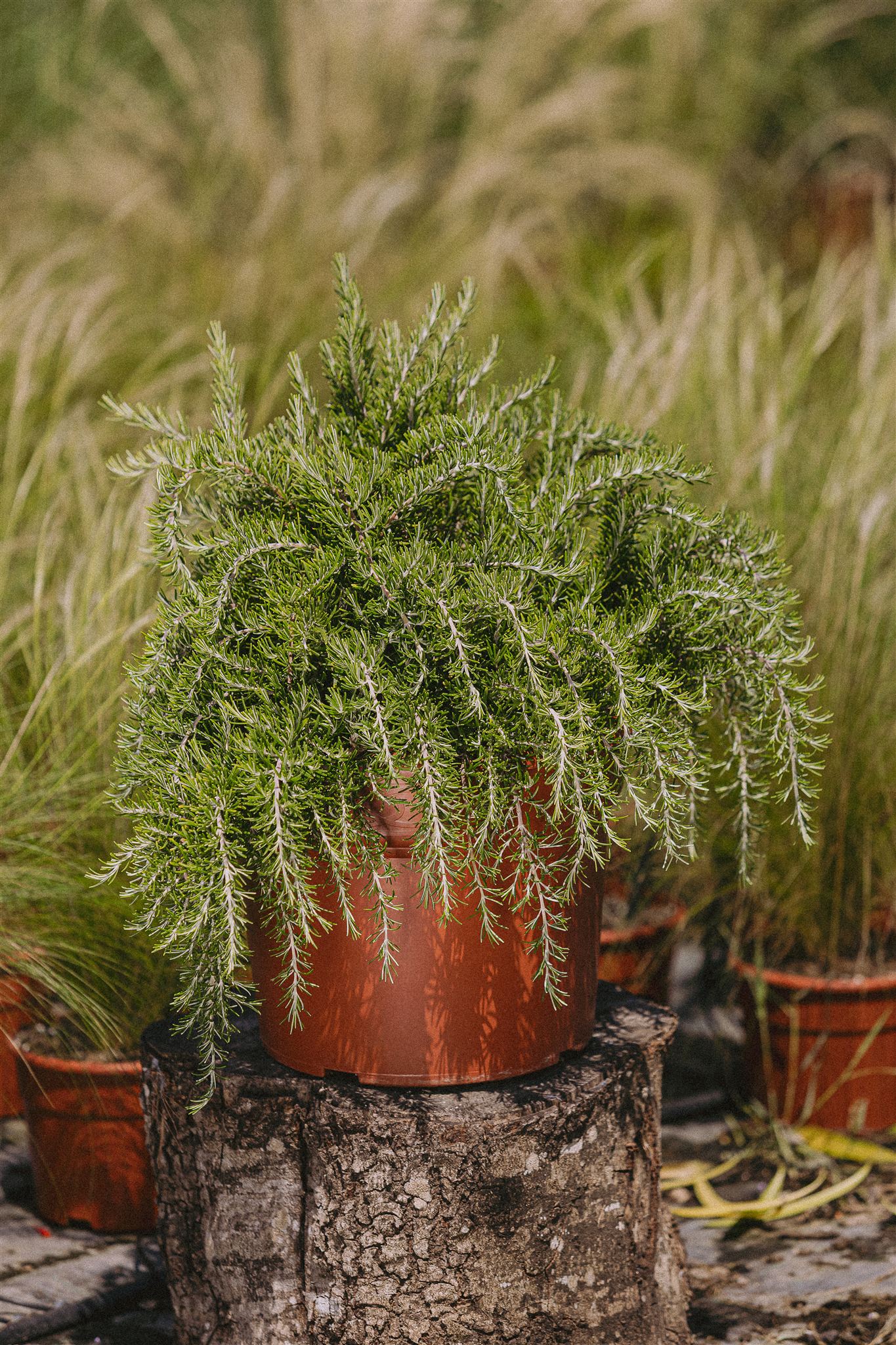
Aromatic shrub with a trailing habit, very hardy and perfect for slopes, rockeries and planters, with low maintenance and excellent tolerance to sun.
Approx. height
Approx. width
Light
Ideal temp.
Toxicity
Maintenance
Recommended watering
Sales format
Our experts say
The creeping rosemary (Salvia rosmarinus ‘Prostratus’) is a low-growing, trailing variety of rosemary, ideal for covering slopes, cascading over walls and planters, or creating aromatic borders with a natural look. It retains the character of traditional rosemary: evergreen foliage, very aromatic narrow leaves and a bluish flowering that appears in season, bringing subtle colour and attracting pollinators. Its growth is spreading and dense, forming a resilient cover that works very well in dry, low-maintenance gardens.
In addition to its ornamental value, it is a very useful plant in practical gardening: it tolerates sun, wind and poor soils, and once established needs very little water. It is perfect for Mediterranean-style compositions and for adding texture and fragrance without fuss.
Image gallery
Benefits
Aromatic ground cover ideal for slopes, borders and hanging planters.
Very resistant to sun, wind and drought once established.
Brings fragrance and culinary use, as well as ornamental value.
Bluish blooms that attract pollinators.
Low-maintenance and highly effective at covering space with a natural look.
Special care
Place in full sun for compact growth and more abundant flowering.
Needs very free-draining soil; avoid waterlogging, especially in winter.
Moderate watering in the first year; after that, watering sparingly and at wider intervals.
Prune or trim lightly after flowering to maintain shape and encourage new shoots.
In a pot, use an airy growing medium (Mediterranean mix or with sand/perlite) and monitor watering in summer without overdoing it.
It does not require frequent feeding; a light annual application of compost is sufficient.
In very humid environments, ensure good ventilation to prevent fungal problems.