Category:
Home-grown
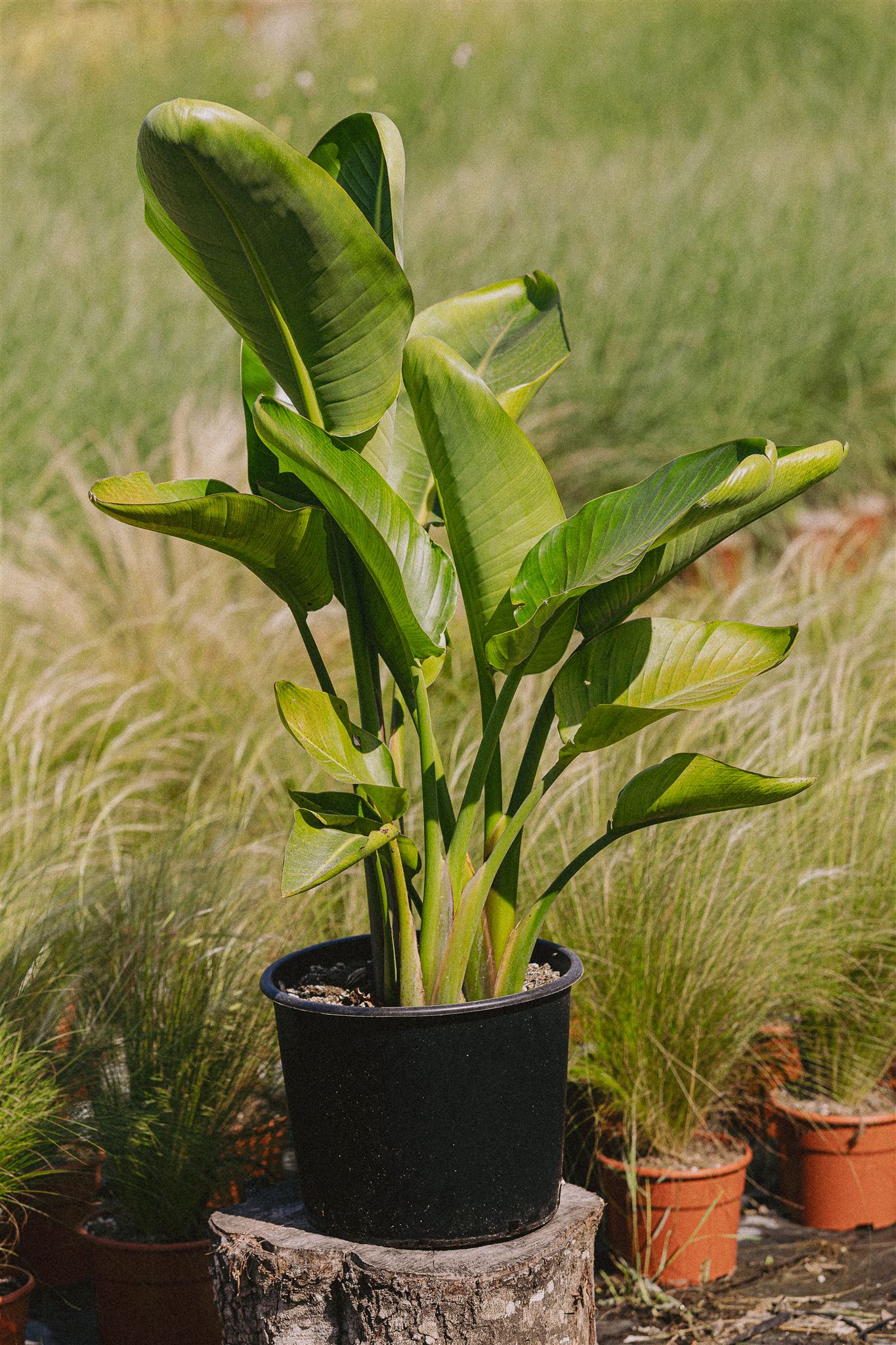
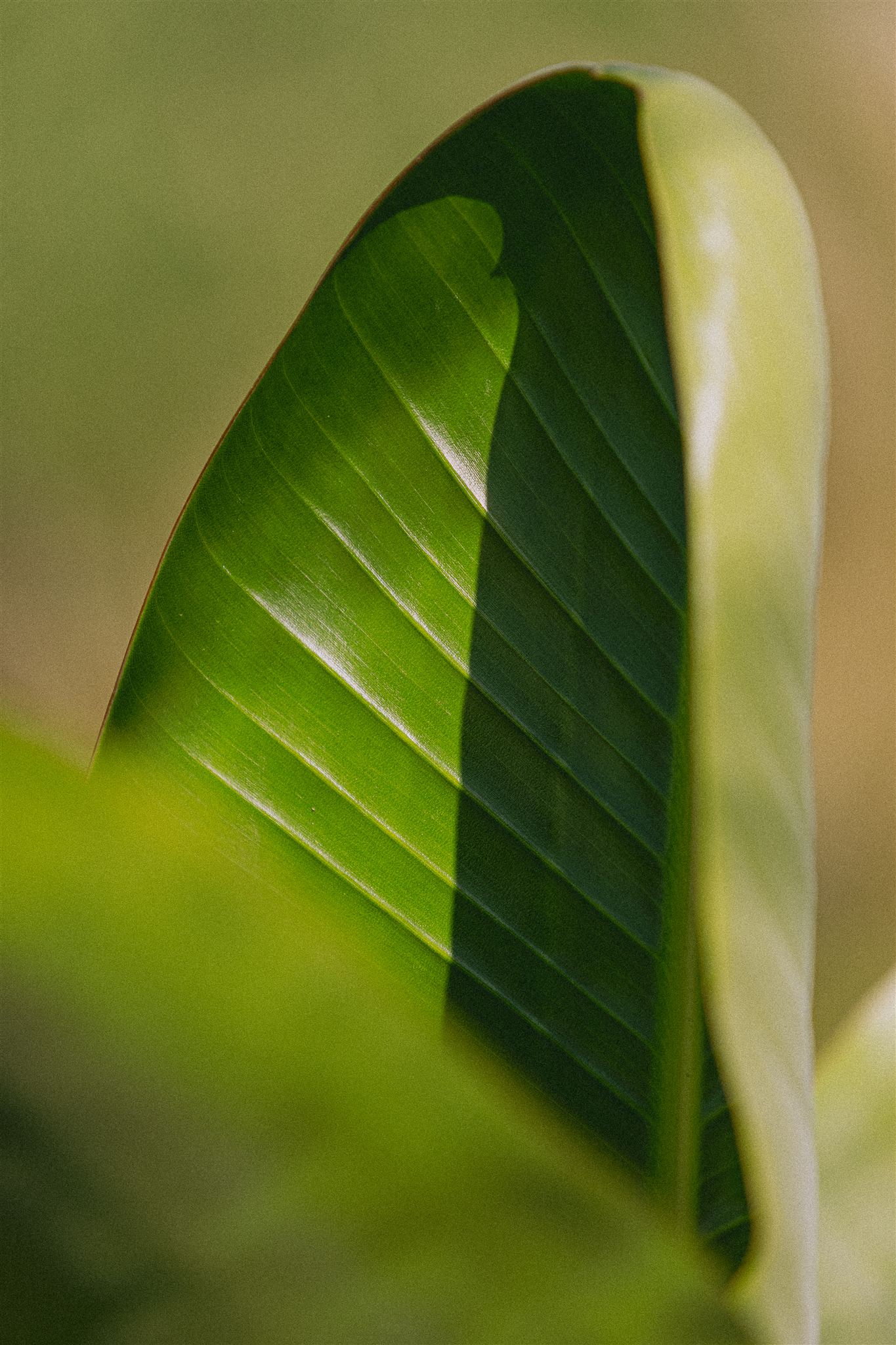
A large plant with a tropical feel, with banana-like leaves, ideal for creating presence and volume in bright outdoor spaces and spacious areas.
Approx. height
Approx. width
Light
Ideal temp.
Toxicity
Maintenance
Recommended watering
Sales format
Our experts say
The Strelitzia nicolai (Giant Bird of Paradise) is a large, architectural plant, recognisable for its huge banana-like leaves and its ability to transform a space with a clean, contemporary tropical feel. It grows as a clump (several stems from the base) and, over time, gains height and volume, becoming a real statement piece both outdoors and in very bright interiors.
Its ornamental value lies mainly in the foliage: strong, upright and highly decorative leaves that bring structure all year round. In the right conditions, it can flower with white and blue-toned inflorescences, although flowering is not especially common indoors. It is a species that appreciates warmth, plenty of light and regular watering during the growing season, always avoiding waterlogging. In a large pot, it works very well on terraces and patios; indoors, it stands out near large windows where it can receive lots of light.
Image gallery
Benefits
Immediate visual impact: brings height, volume and a very elegant tropical look.
Architectural plant: ideal for entrances, patios, porches and contemporary gardens as a focal point.
Decorative foliage all year round: maintains its presence even when not in bloom.
Works in a large pot: perfect for terraces and sheltered outdoor spaces.
Brings a sense of freshness and light shade to plant compositions.
Very long-lasting if it has light, warmth and proper drainage.
Versatile in a bright interior: turns a corner into a green “statement” with just a few pieces around it.
Special care
Bright light: the brighter the location, the better the growth habit and the healthier the leaves; outdoors, gentle sun or bright partial shade.
Avoid the cold: susceptible to frost; protect it if temperatures drop below 10 °C (damage in intense cold and wind).
Controlled watering: keep the substrate slightly moist in spring–summer; reduce watering significantly in winter.
Essential drainage: a pot with a good drainage hole, airy substrate and no water left standing in the saucer.
Large, stable pot: it needs plenty of substrate volume to develop and so it does not topple over due to the weight of the foliage.
Feeding during growth: in spring–summer, use a balanced fertiliser every 3–4 weeks to encourage vigour and new leaves.
Dry tips and broken leaves: it is normal for them to fray in wind or dryness; trim the tips for appearance and remove old leaves from the base.
Indoor humidity: if the air is very dry, it may appreciate gentle misting or improved humidity around it.