Category:
Home-grown
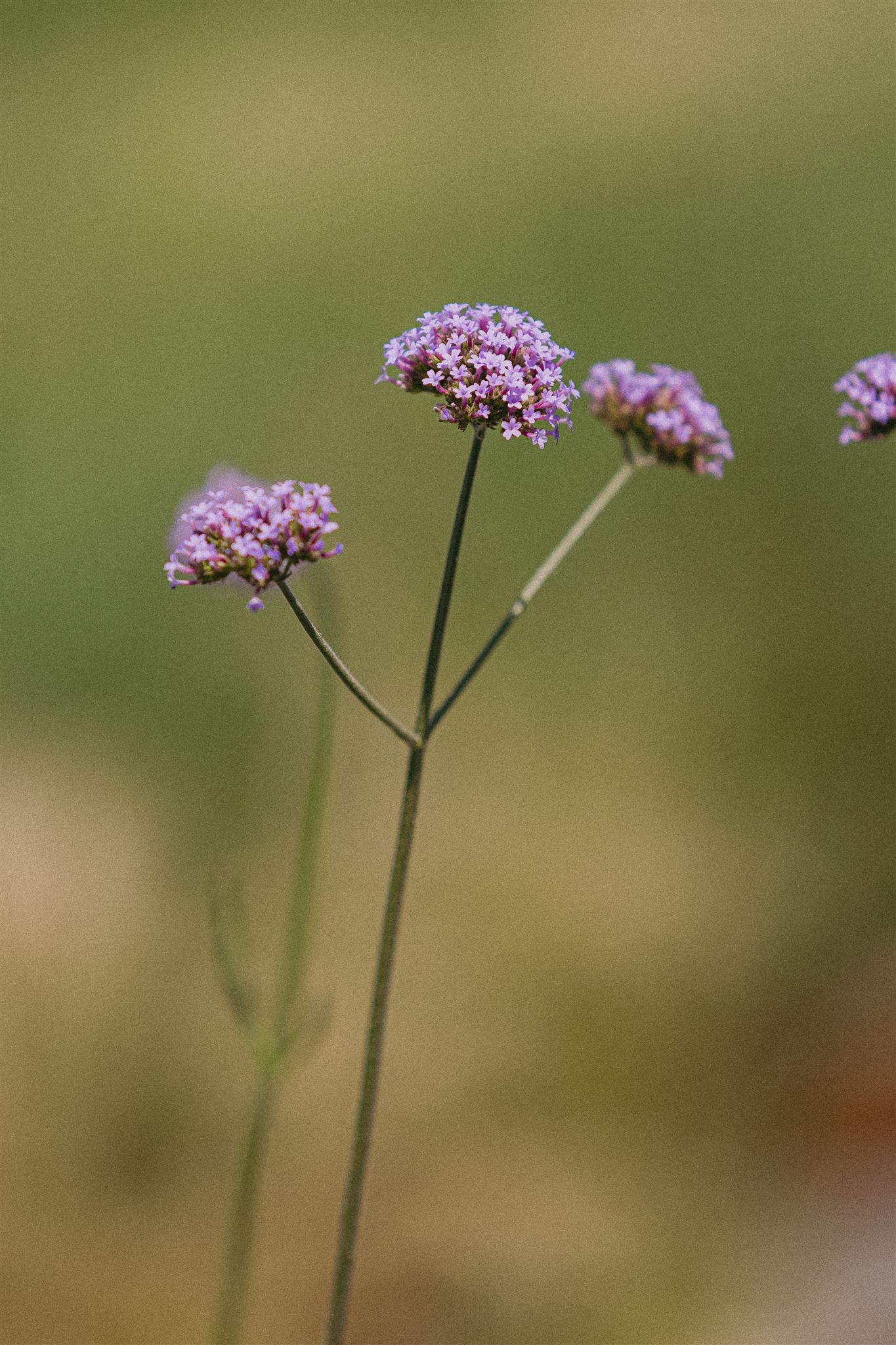
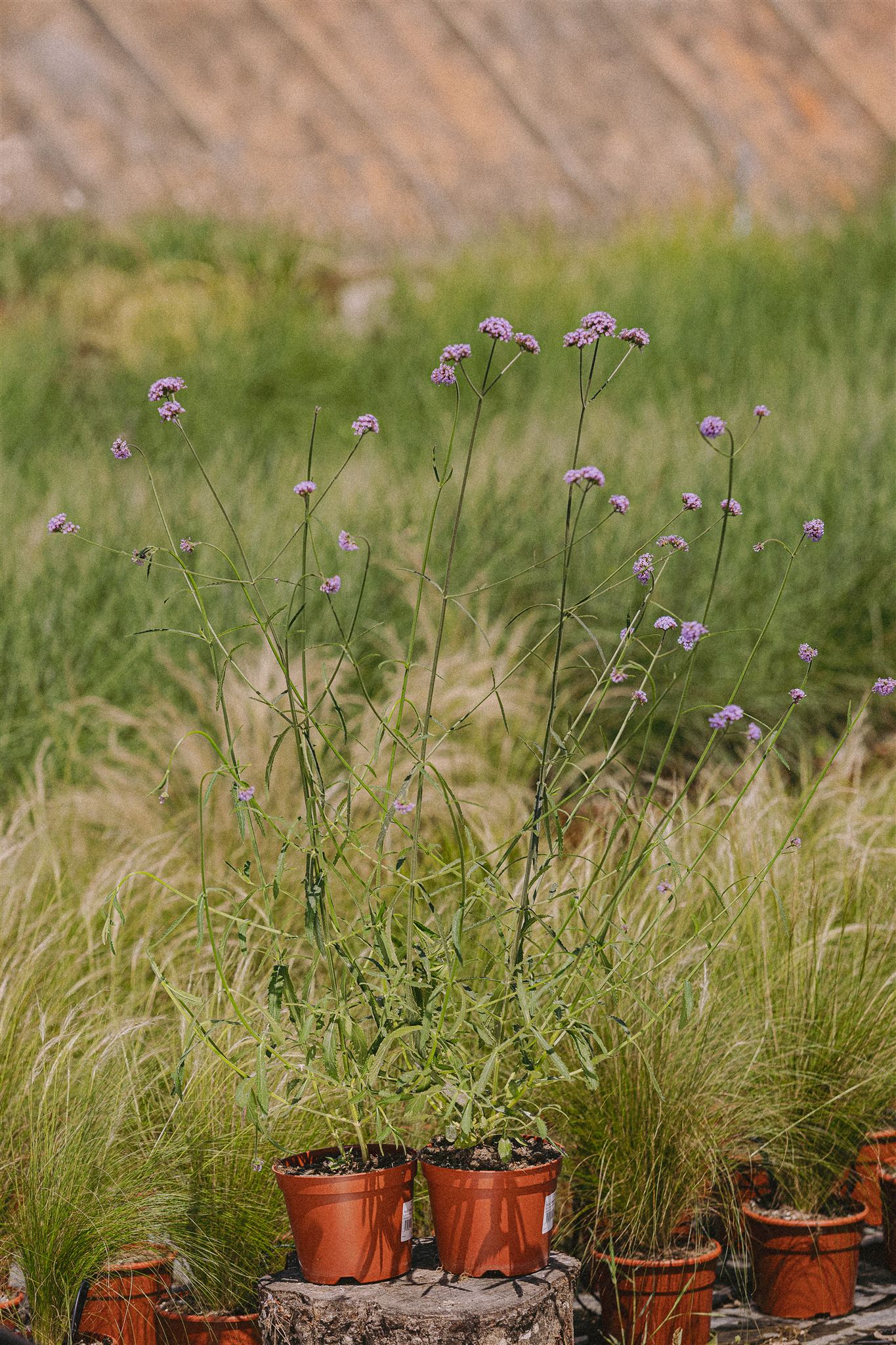
A perennial with tall stems and delicate purple flowers, ideal for natural gardens, bringing height, movement and appeal for pollinators.
Approx. height
Approx. width
Light
Ideal temp.
Toxicity
Maintenance
Recommended watering
Sales format
Our experts say
The Verbena bonariensis is a perennial with a light, upright habit, much valued for its ability to bring height without overwhelming the garden. Its slender, sturdy stems rise above the rest of the planting and end in small clusters of purple flowers, creating an effect of “flowers in the air” that adds movement and a beautifully natural style. It flowers for months in the warmer season and blends exceptionally well into naturalistic gardens, mixed borders and beds where a more wild, dynamic finish is desired.
It is a very rewarding plant: it tolerates heat and some drought once established, and usually behaves as a short-lived perennial or even self-seeds gently, reappearing each year in corners of the garden. It also performs well in a pot, provided it has enough space and a very bright spot.
Image gallery
Benefits
Adds height, lightness and movement with a very decorative natural effect.
Long-lasting flowering in the warm season with elegant purple colour.
Attracts pollinators and supports biodiversity in the garden.
Pairs beautifully with grasses, salvias, gauras and flowering plants.
Easy to maintain and with good tolerance to heat and moderate drought once established.
Special care
Place in full sun for abundant flowering and sturdier stems; in partial shade it flowers less and becomes leggier.
Needs good drainage; it does not tolerate prolonged waterlogging.
Water moderately at first; afterwards, low to moderate depending on heat and soil type.
If a more compact habit is desired, it can be lightly pinched back at the start of the season to encourage branching.
It may need staking in very windy areas or if the soil is too fertile (it grows taller and more flexible).
Remove spent flowers if you want to control self-seeding; if left, it may reappear naturally.
Appreciates a light feed in spring, but avoid overdoing it to prevent stems becoming too soft.