Category:
Home-grown
Compact, very hardy evergreen shrub, perfect for coastal areas and dry gardens, ideal for low hedges and pots thanks to its tolerance of sun, wind and salinity.
Approx. height
Approx. width
Light
Ideal temp.
Toxicity
Maintenance
Recommended watering
Sales format
Our experts say
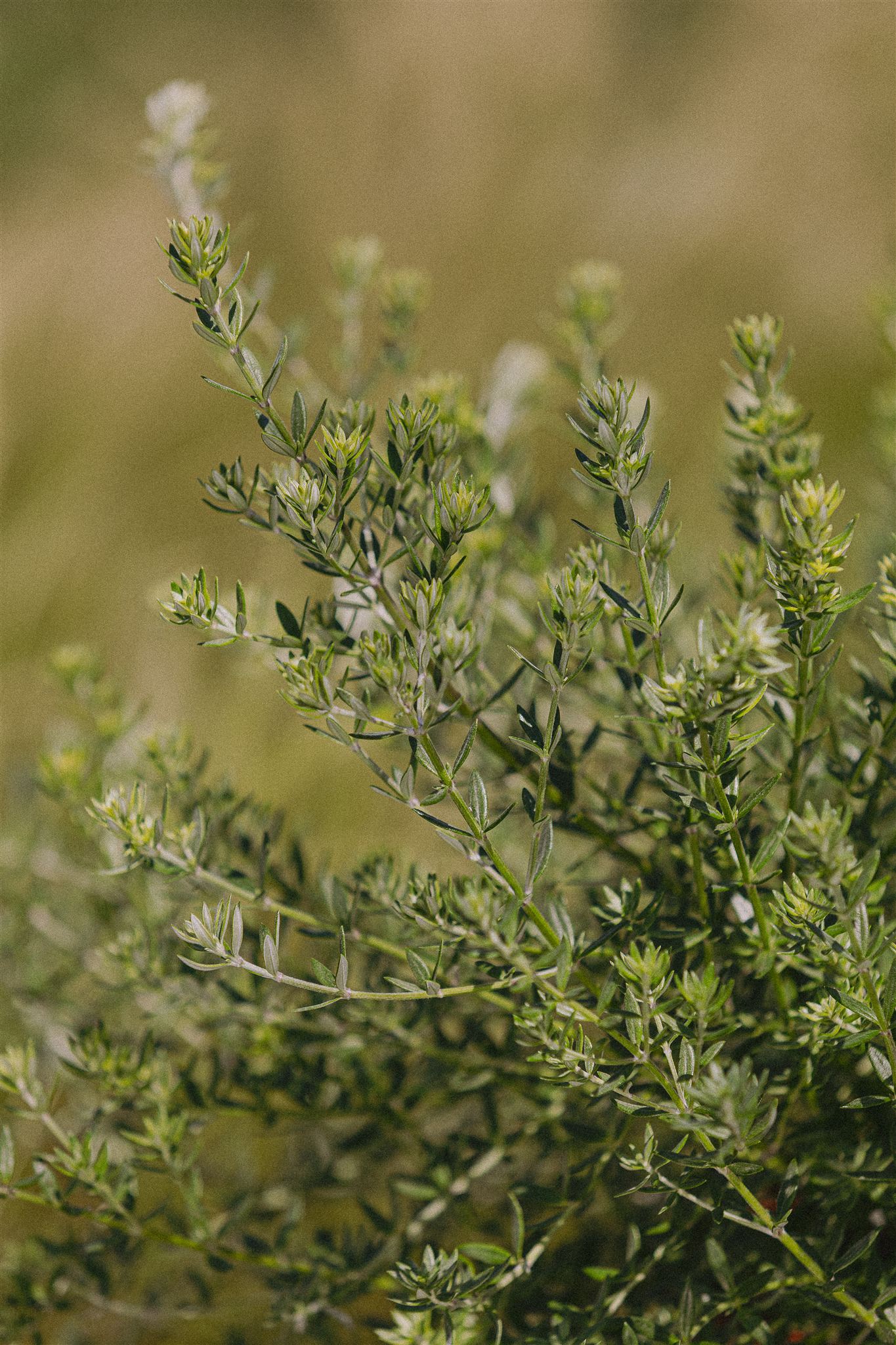
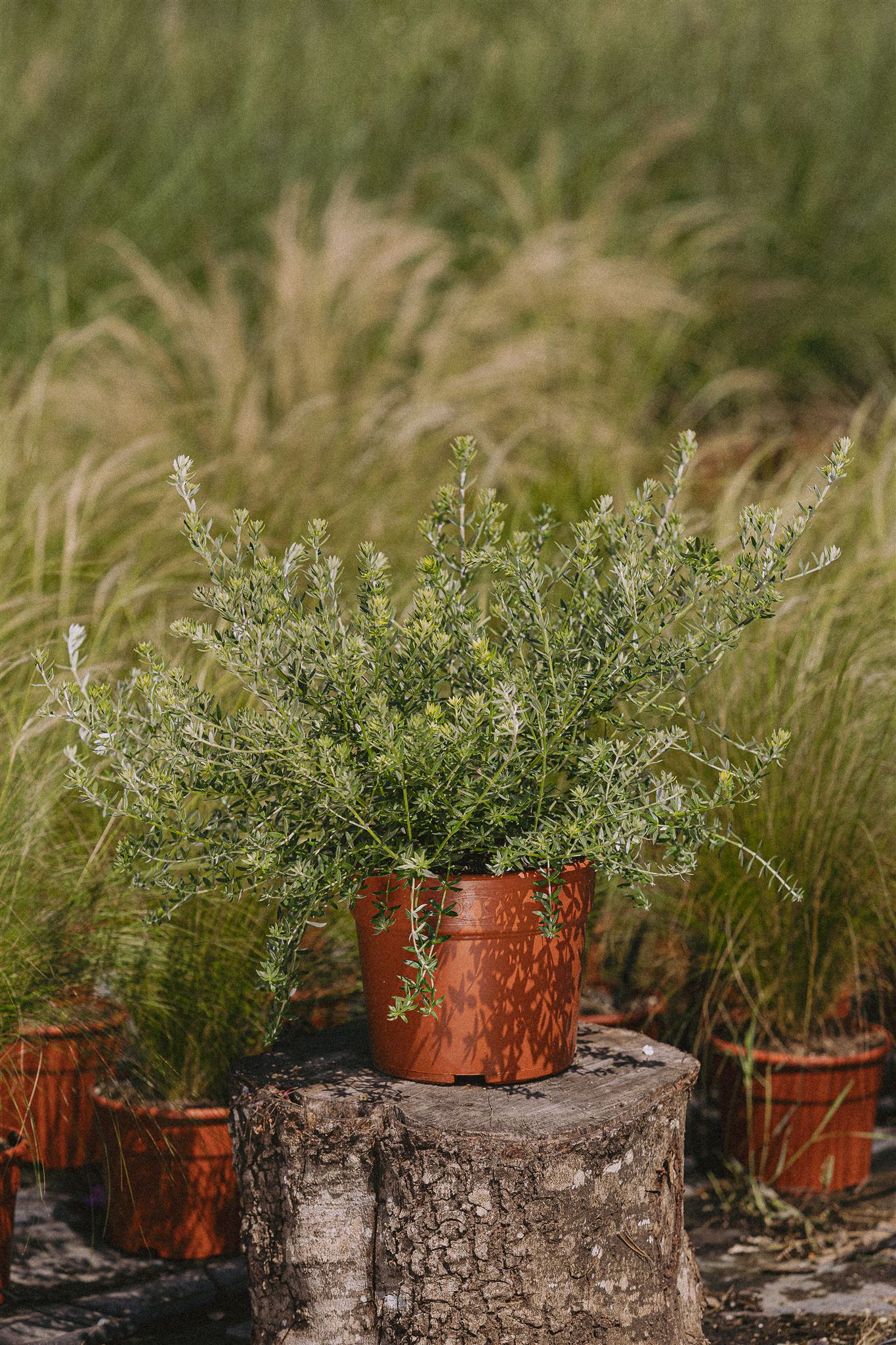
The coastal rosemary (Westringea fruticosa) is an evergreen shrub with fine, elegant foliage, much valued for its hardiness and neat appearance throughout the year. Although it is called “rosemary”, it is not a culinary rosemary: the resemblance comes from the shape of the leaves and its compact habit. It produces small flowers in shades of lilac-white or pale blue that appear intermittently throughout the warm season, adding a delicate touch without disrupting the shrub’s understated look.
It is an ideal plant for low-maintenance gardens, borders, structured planting beds and low or medium hedges. It tolerates wind, salt exposure and drought well once established, and performs especially well in free-draining soils. It also responds very well to pruning, so it works equally well in more natural designs as well as in more geometric and contemporary compositions.
Image gallery
Benefits
A very resilient and stable shrub, ideal for warm climates and exposure to wind.
Perfect for hedges, borders and mass planting thanks to its ability to form a dense habit and tolerate pruning.
Low maintenance once established.
Delicate, long-lasting flowering, attractive to pollinators.
Provides year-round green structure without needing high levels of watering.
A good choice for xeriscaping and gardens with a Mediterranean or contemporary look.
Works very well in pots for terraces and entrances, maintaining a clean and tidy appearance.
Special care
Plant in free-draining soil: avoid waterlogging to prevent root problems.
Water moderately in the first month; after that, low to moderate depending on heat and soil type.
Place in direct sun for compact growth; it tolerates light partial shade, with less flowering.
Carry out gentle pruning 1–2 times a year to maintain shape and density (best after flowering).
Avoid heavy feeding: too much fertiliser can make it grow softer and more open.
In a pot, use a container with good drainage and an airy growing medium; water only when the top layer has dried out.
Watch for mealybugs in very dry, enclosed environments; this is usually resolved with cleaning and good ventilation.