Category:
Home-grown
Very hardy evergreen shrub with a Mediterranean look and fine foliage, ideal for hedges, borders and low-water gardens, with discreet flowering and good tolerance to wind and salt spray.
Approx. height
Approx. width
Light
Ideal temp.
Toxicity
Maintenance
Recommended watering
Sales format
Our experts say
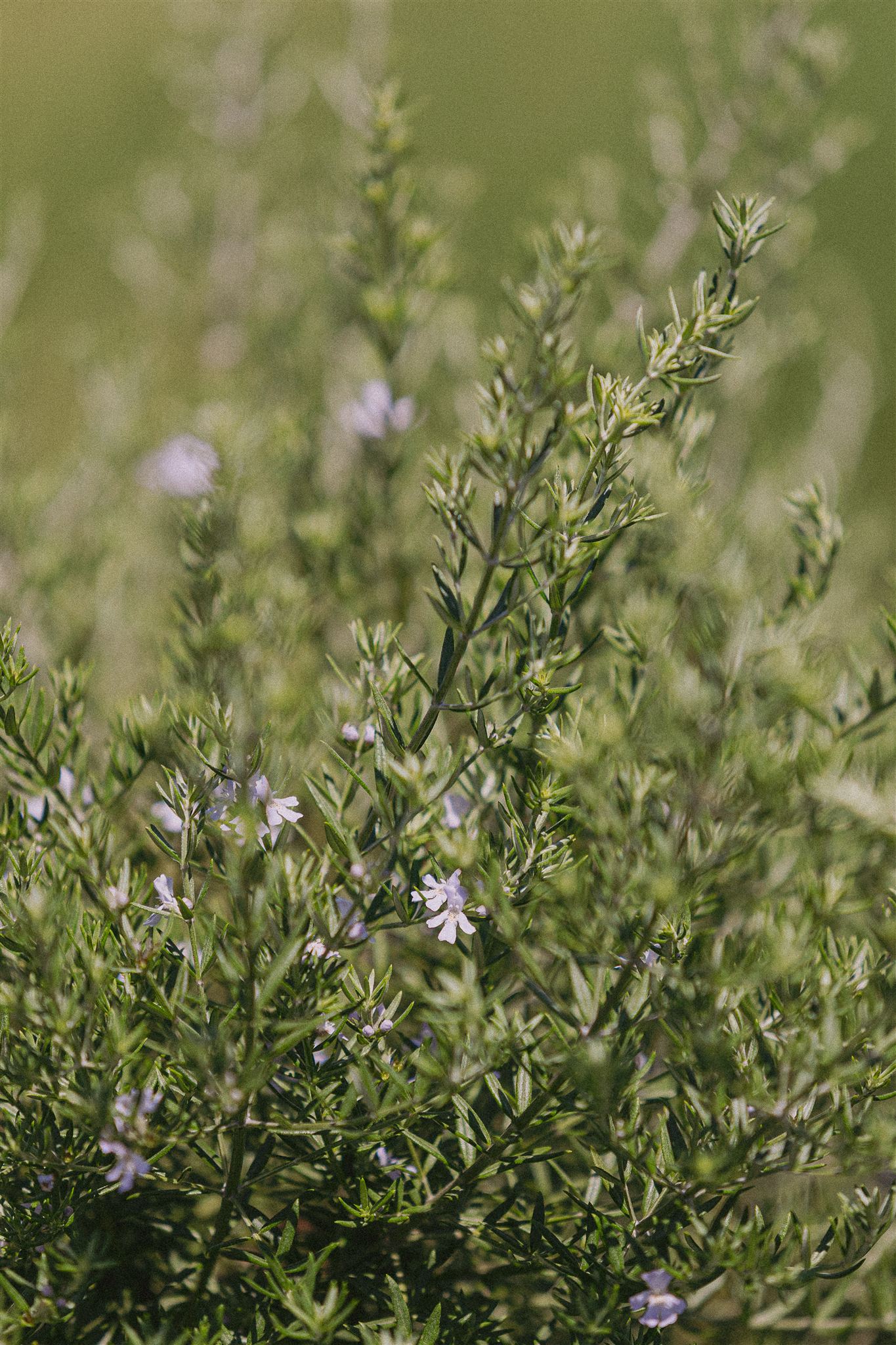
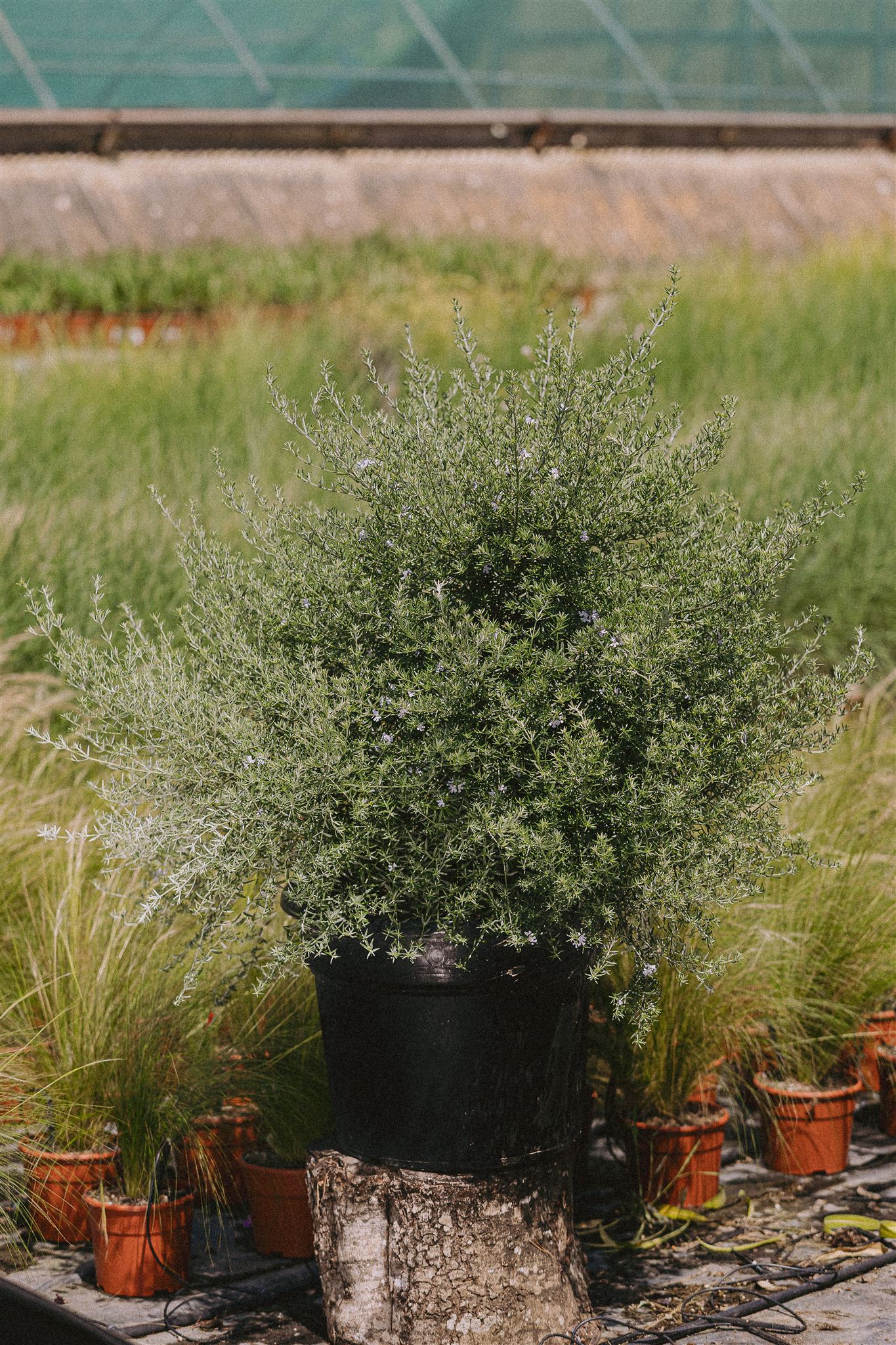
The Westringia longifolia, known as Australian rosemary, is a much-loved evergreen shrub for its neat habit, fine foliage and its ability to provide green structure all year round. Its narrow leaves are reminiscent of rosemary, but it is not a culinary herb: its value lies in its ornamental qualities and hardiness. It flowers with small pale blooms (white or soft lilac, depending on the variety) that appear intermittently throughout the milder months, creating a light, natural look without feeling overdone.
It is particularly well suited to low hedges, borders, mixed beds and low-maintenance gardening, as it copes well with heat, wind and drought once established. It also performs very well in a pot, provided it has good drainage and is placed in a bright spot. Its growth is compact and it benefits from light pruning to keep its shape, making it a very reliable choice for contemporary or Mediterranean gardens.
Image gallery
Benefits
Arbusto very hardy and low-maintenance, ideal for dry gardens.
Aporta structure and year-round greenery with a clean, tidy look.
Excellent for low hedges and borders, easy to maintain with pruning.
Tolera bien heat, wind and coastal conditions.
Flowering is discreet but constant in season, adding detail without excess.
Works very well in a pot, on terraces and sunny patios.
A good alternative to ornamental rosemary when looking for a more compact and uniform finish.
Special care
Plant in very free-draining medium; avoid heavy soils or waterlogging.
Water moderately at first; once established, it can be reduced to low (depending on heat and exposure).
Place in direct sun for a compact habit; it also tolerates bright partial shade, though with less density.
Carry out light pruning 1–2 times a year to keep it compact and encourage new growth.
Avoid fertilisers very high in nitrogen: they can produce lots of foliage but fewer flowers and poorer structure.
In a pot, use a container with good drainage and check that no water remains in the saucer.
Watch out for mealybugs or red spider mite during very dry periods (it is not usually a problem if it is well ventilated).