How to attract bees to your garden? Bees play a crucial role in our ecosystem by pollinating flowers, fruit and vegetables, so their decline over the past few years is something that worries us greatly at Eiviss Garden. However, by making a few changes to your garden, terrace or balcony, you can help increase bee populations and create a more welcoming environment for them.
Plant flowers they love
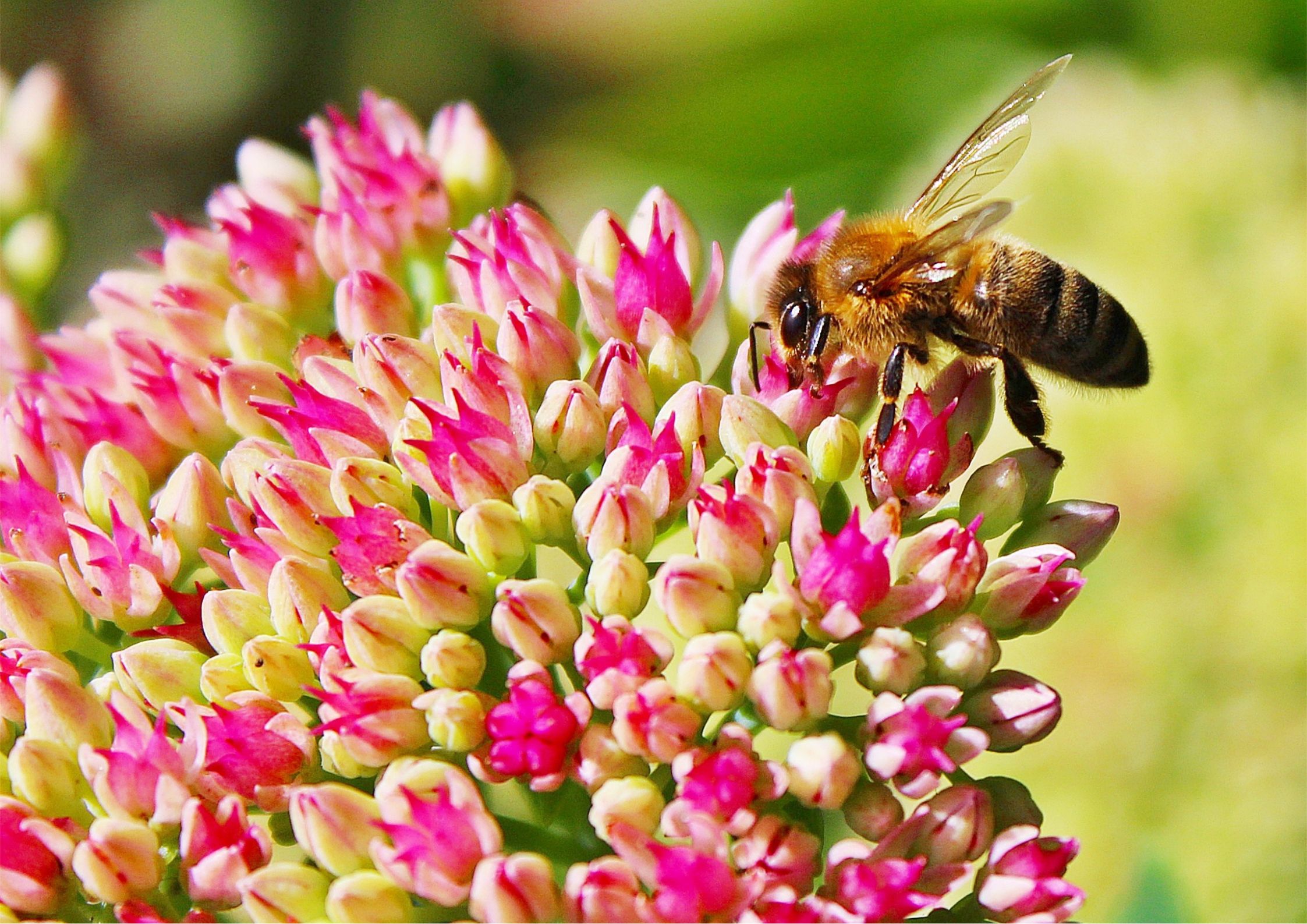
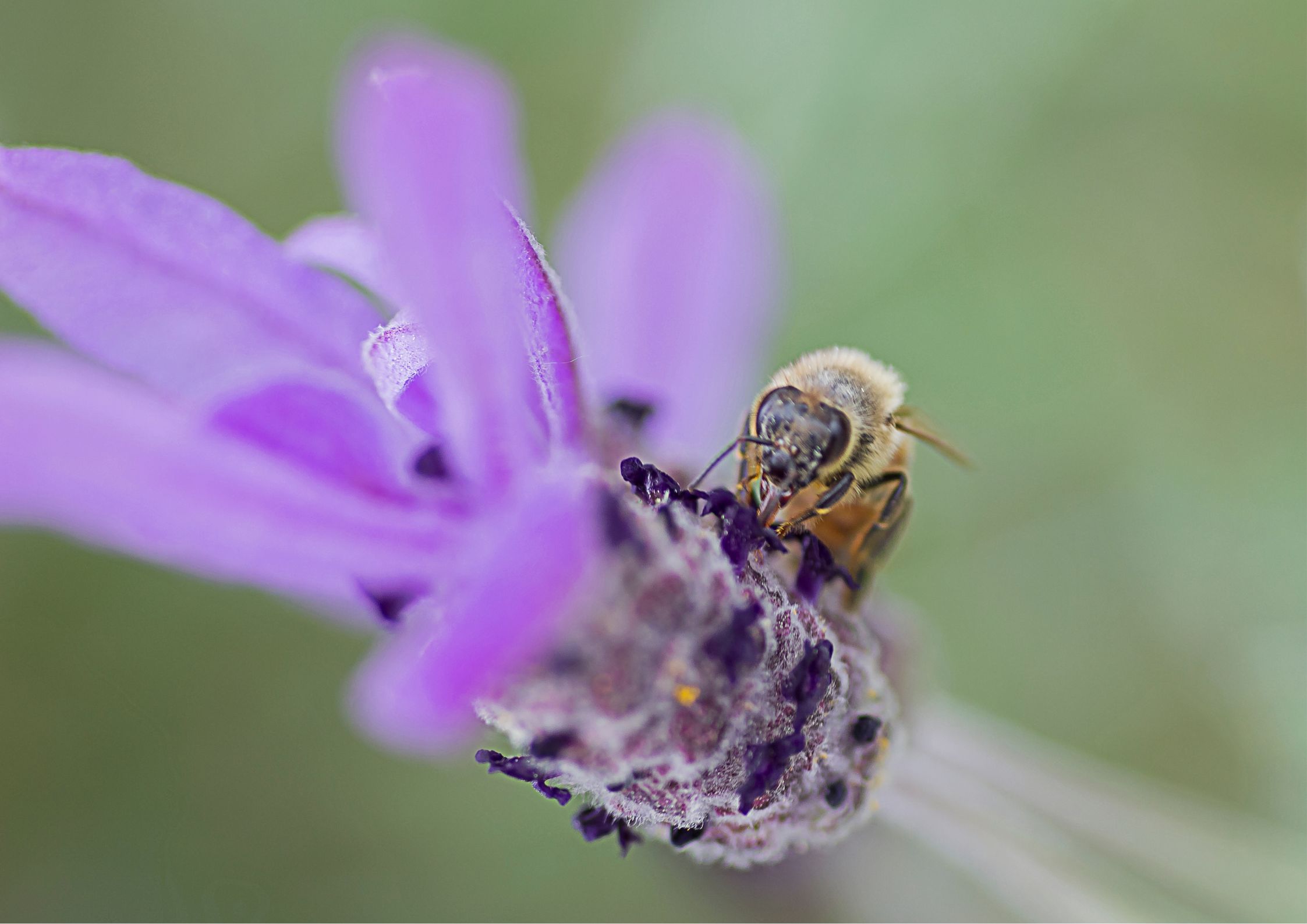
One of the best ways to increase the bee population in your home is to plant flowers they love. Bees adore flowers rich in pollen and nectar, such as sunflowers, lavender, marigolds and zinnias. By planting these flowers, you will not only attract bees but also other pollinators such as butterflies and small birds.
Leave some areas of your garden wild
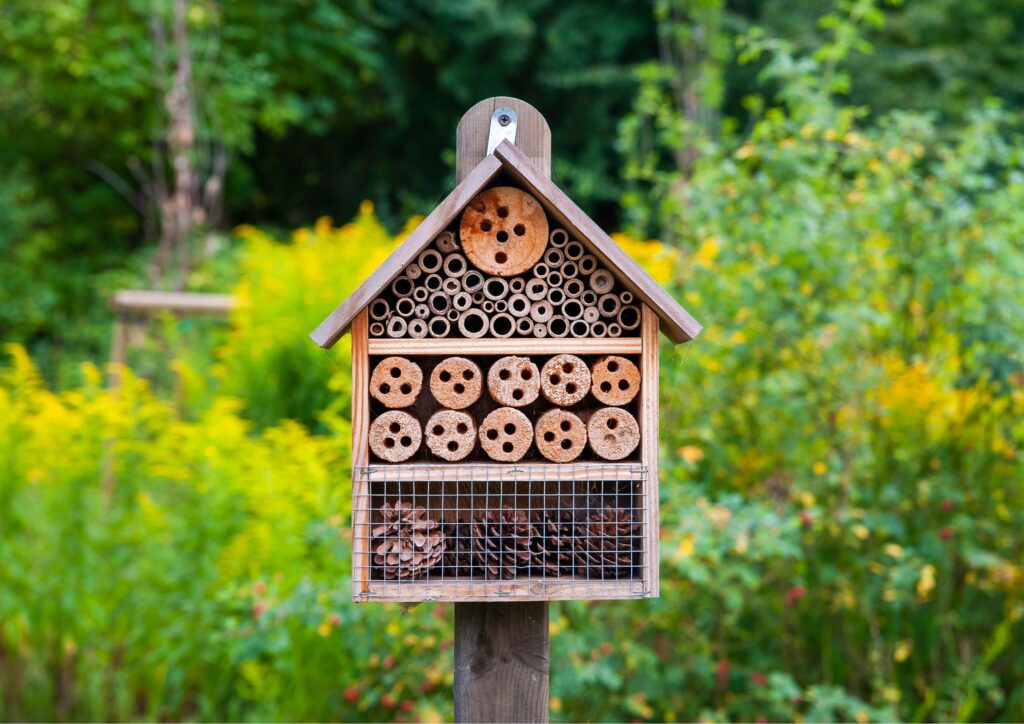
An insect hotel is another way to increase the population of bees and other insects your garden needs. It is a small structure that provides shelter and nesting spaces. Providing a variety of nesting materials, such as soil, twigs and hollow plant stems, can help attract a wide range of bees, as they do not all nest in the same way.
You can also build your own by drilling holes in a block of wood and placing it in your garden. You can also buy ready-made insect hotels from Eiviss Garden.
Leaving some areas of your garden wild can provide bees with a natural habitat and nesting places. You can create a wild area by leaving a patch of grass uncut, allowing weeds to grow or creating a small meadow.
Insect hotel
Providing a water source
Bees need water to survive, and providing a water source in your garden can help attract more of them. A shallow dish filled with water and a few rocks or pebbles can give bees a place to drink without the risk of drowning. Make sure to change the water regularly to prevent mosquitoes from breeding. At Eiviss Garden, we have small fountains that, in addition to adding a zen touch, provide the soothing sound of flowing water.
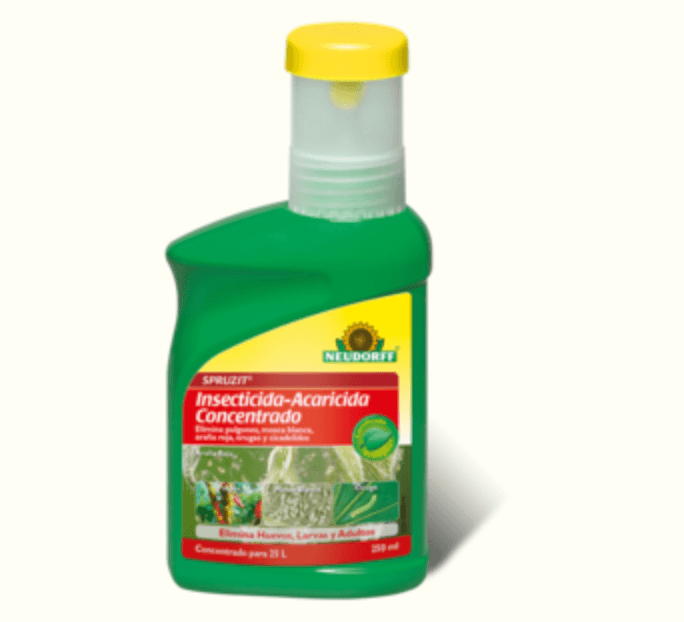
Insecticides can be harmful to bees and other pollinators, so it is best to avoid using them in your garden. Instead, try natural pest control methods such as companion planting, which involves planting certain plants together to repel pests, or using eco-friendly insecticides, such as this one from Neudorff, whose plant-based active ingredients break down quickly in nature and, when used correctly, do not harm bees. You can find it in our Garden.
Provide a windbreak
Bees are sensitive to wind, so providing a windbreak in your garden can help create a more bee-friendly environment. A fence or a simple hedge can help reduce the impact of wind on the flowers.
Avoid insecticides
In conclusion, increasing the bee population in your home is an important step towards preserving our ecosystem. These tips can help create a more bee-friendly environment, not only for our key insect, but also to create a beautiful and diverse landscape in your garden and help us preserve nature, as we are still lucky enough to know it today.