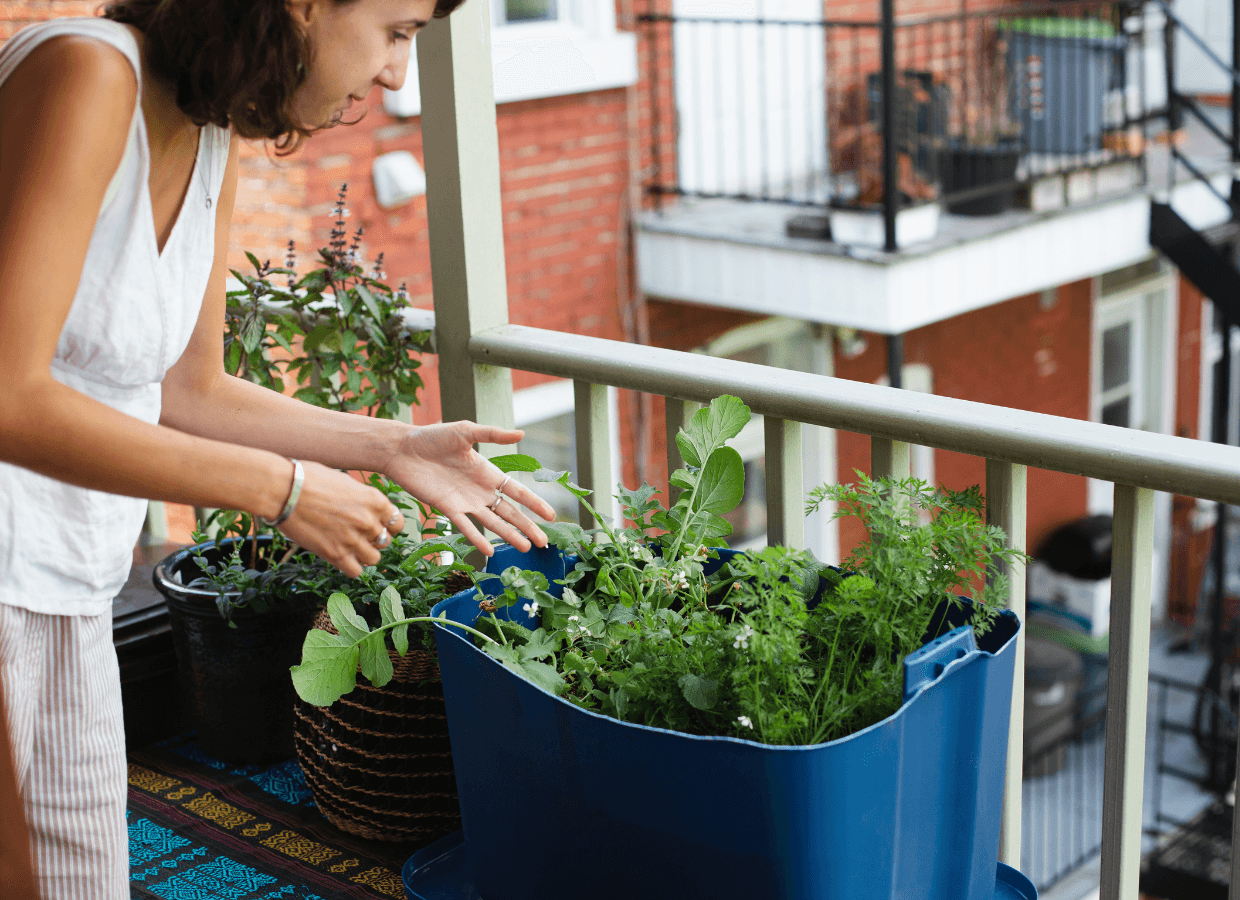
Creating an urban garden is an excellent way to grow your own fresh produce and add a touch of greenery to your terrace, patio or balcony. Here are some steps you can follow to create your own urban garden:
Determine the available space
Start by assessing how much space you have available. This could be a balcony, a rooftop or a small plot of land, and decide how big you want your garden to be. There is no such thing as a garden that is "too small", but the area you have determines what types of plants you can grow and how. It is also important to consider what kind of exposure to the elements (sun, wind, rain) your garden receives every day, as this will also influence your plants' growing success.
Prepare the soil
If you're planting in the ground, you'll need to prepare the soil by removing weeds and adding compost or other organic matter. If you're planting in containers, choose a high-quality potting mix.
Choose your plants
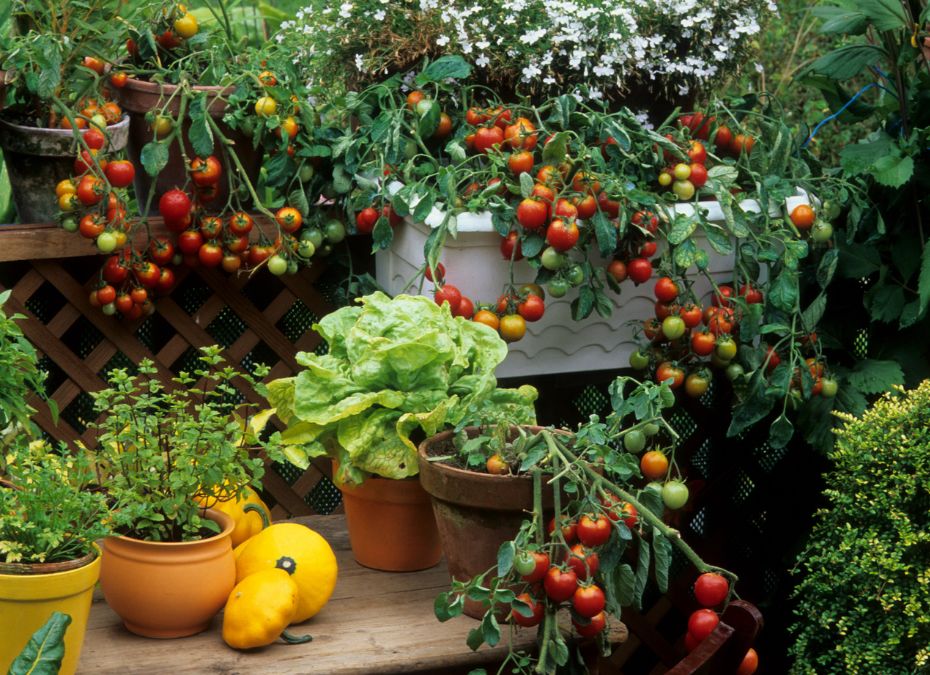
Choose plants that are suitable for your space and climate. Do you like tomatoes? Then plant them! Have you always loved lettuce? Plant it! One tip? First, plant what you have space for; don't be too ambitious about how much you want to grow. Start small and see how you go from there. Secondly, plant the foods you really want to eat. Most urban gardens are vegetables and herbs.
Choose the right containers or pots
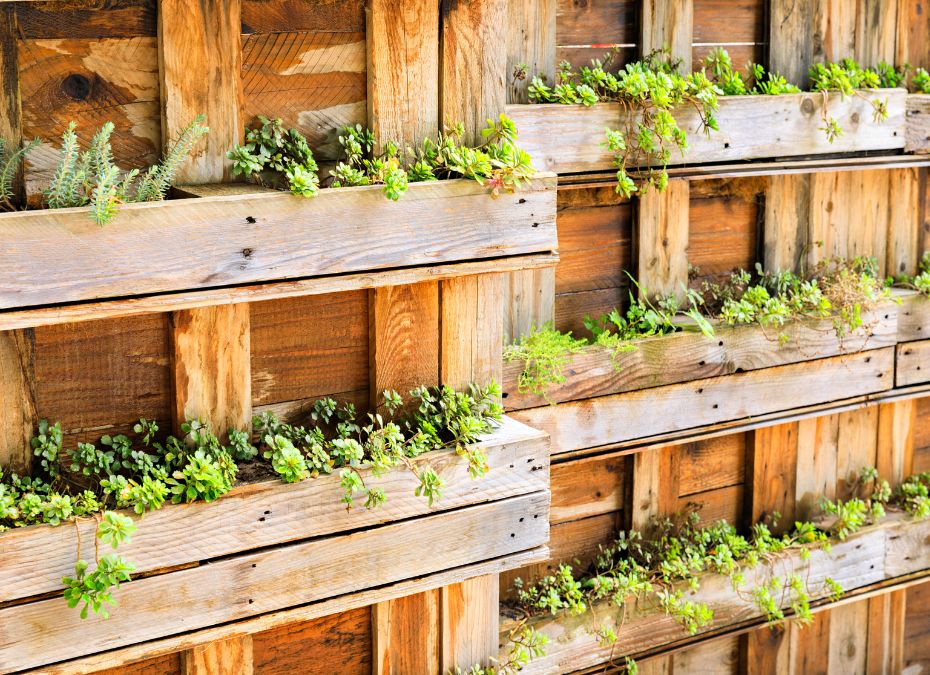
If you are planting in containers, choose containers that are the right size for your plants and have good drainage so that water does not build up. You can choose between plastic, terracotta, or other heavy, porous materials. A plastic pot is easier to move and does not need watering as often.
Water regularly
Water your plants regularly, making sure they do not dry out. If you have chosen containers, you may need to water them more frequently.
Fertilise if necessary
Usually, adding organic matter, compost or manure to your urban soil will be enough to grow healthy vegetables. But sometimes, you need to give your plants an extra boost. That is where commercial fertilisers come in.
Commercial fertilisers deliver the nutrients plants need directly. Some are complete, which means they contain relatively equal amounts of nitrogen, phosphorus and potassium. Others have higher levels of one or more of these nutrients to make up for a deficiency in your soil. You can determine when and how much fertiliser to apply based on your soil analysis.
Do not neglect maintenance
Regularly check your plants for pests and diseases and take the appropriate measures. Trim dead or damaged leaves or stems.
Harvest your produce
When your plants are ready, harvest their produce and enjoy it and share it with your loved ones and neighbours!
Remember that urban gardening requires some planning and care, but it can be a very rewarding experience. If you still have questions about how to create an urban garden, do not hesitate to ask our staff at theGarden, we will be delighted to help you choose the best products.
Tags
Vegetable garden
,
urban garden
,
gardening
Click to share on Facebook (Opens in a new window)
Click to share on Twitter (Opens in a new window)
Click to share on Pinterest (Opens in a new window)
Click to share on Tumblr (Opens in a new window)