What is an eco-friendly garden?
Creating your own eco-friendly garden may sound a little strange, since surely all gardens are eco-friendly, with all their flowers, plants and shrubs. But you have no idea how much water you actually use, how many pesticides seep into the soil, and how much plastic we use, from pots to some garden furniture.
The first factor to bear in mind when creating an eco-friendly garden is to always think about sustainability. From what we plant and how we do it, to how we care for and manage the garden, or reviewing the features and furniture we add. Sustainable gardening is inspired by nature itself, encouraging biodiversity, organic goodness and eliminating anything toxic or polluting.
Main benefits
1. Sustainability often goes hand in hand with savings. If you take care of removing weeds by hand yourself, it is cheaper than using a herbicide and much healthier for the soil. There is also the option of using organic plant protection products.
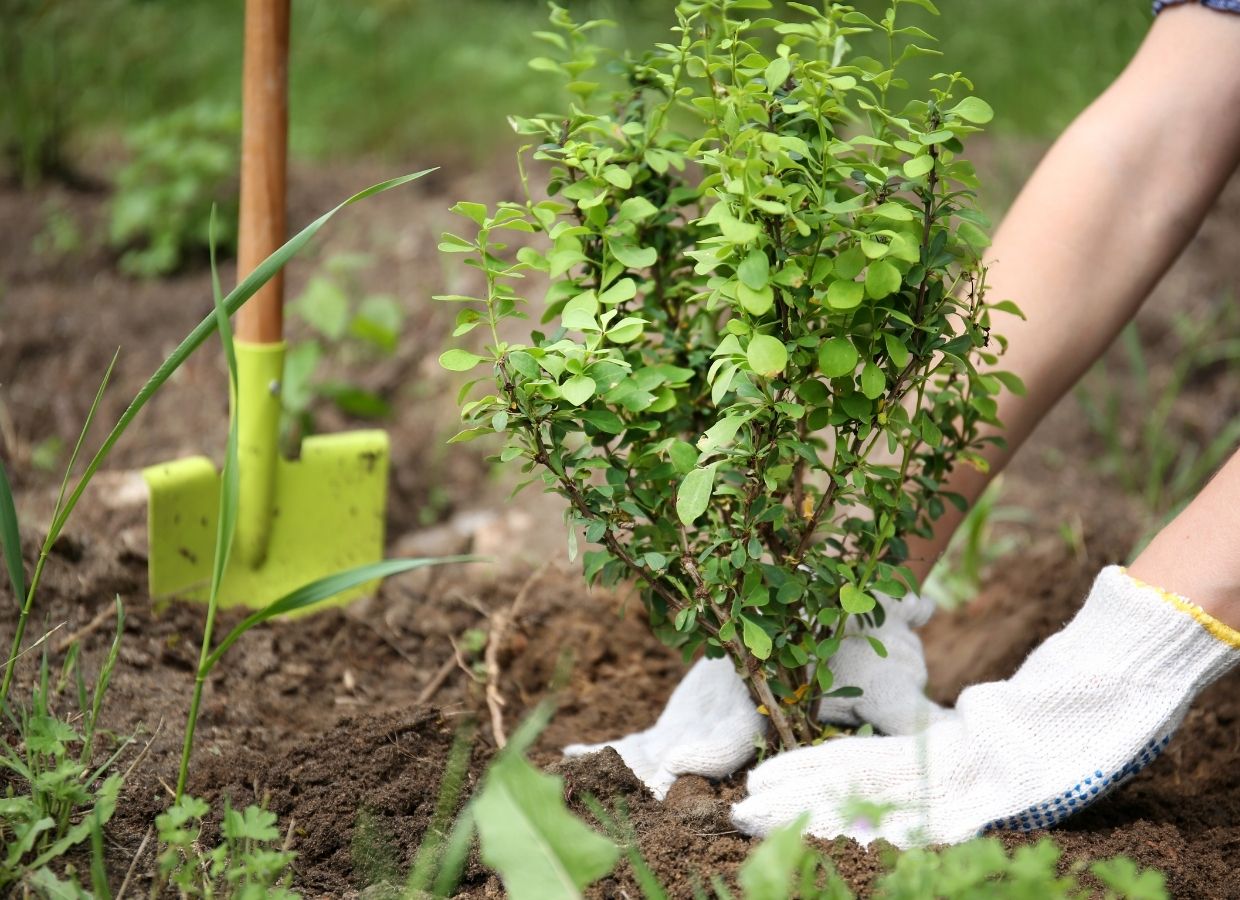
2. Planting trees and shrubs is a brilliant way to combat climate change and instantly improve air quality.
3. Being mindful of single-use plastic in the garden helps reduce the waste we generate constantly and the ongoing problem of plastic pollution in our oceans.
4. Reduce, reuse and recycle: the three Rs of eco-friendly gardening and the key to a sustainable life.
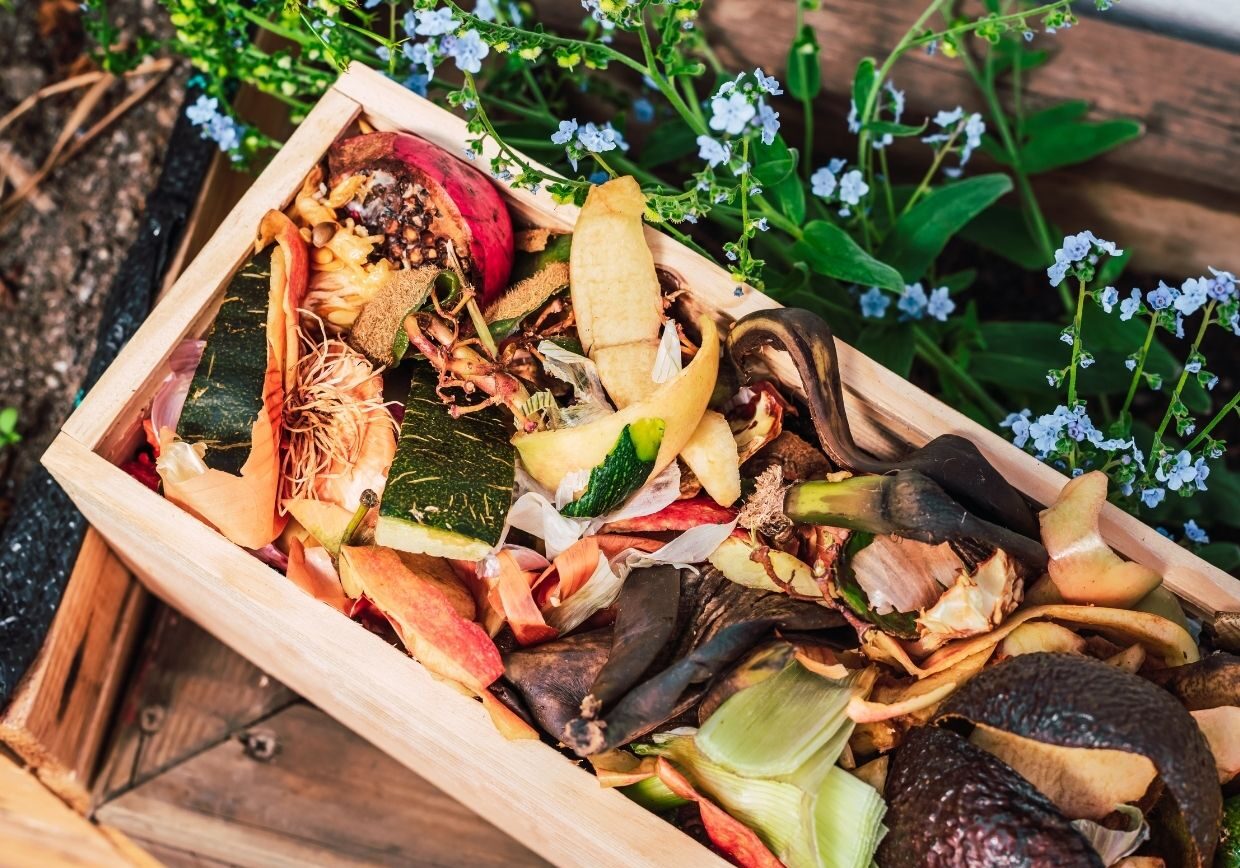
5. Many eco-friendly gardening methods, such as water conservation and composting, help us make use of what we already have, instead of creating more waste.
6. Understanding proper planting practices helps your garden thrive. Not only because of the flora, but also because of the fauna it attracts.
Tips for creating or turning your current garden into an eco-friendly one
1. Understanding what we plant
It is important that we know which plants work best with our climate and soil. Instead of planting pretty or exotic plants that only last a month of the year, we recommend native plants, which provide shelter and food for insects that help with pollination and, therefore, the environment.
2. Look for companion plants
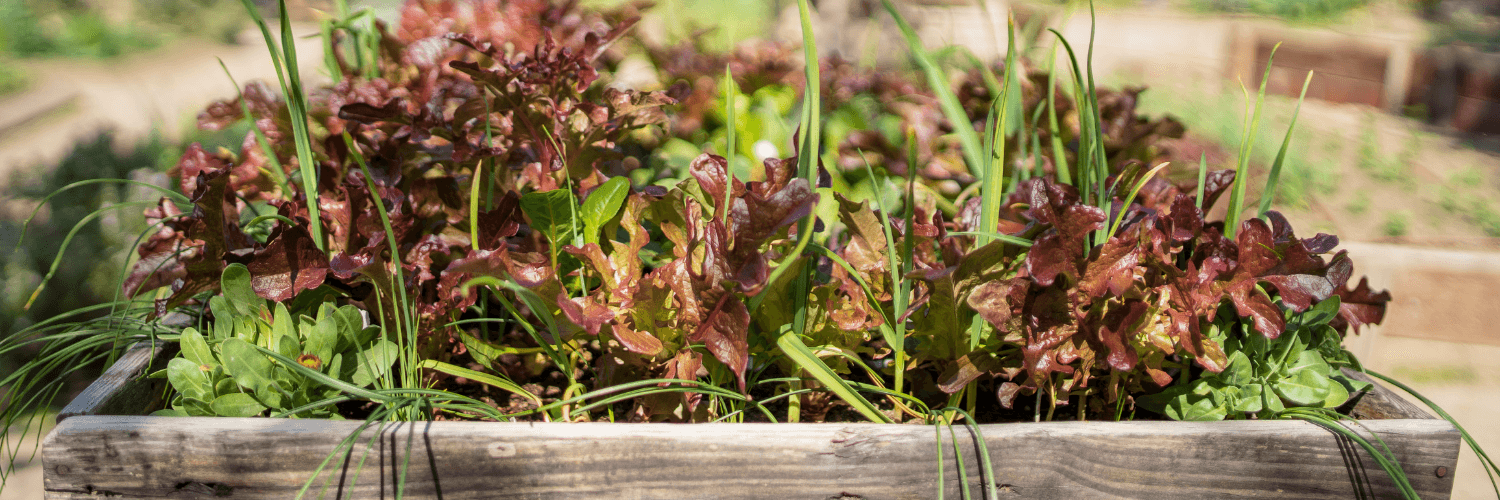
Have you ever stopped to think that some plants can benefit one another for their proper growth? For example, planting tomatoes next to basil gives the former a better flavour. Planting carrots next to celery helps repel certain pests.
3. Interplant your plants
Interplanting is another way to make the most of your garden, especially when space is limited. If you grow plants together that have different growth rates, and know how much space they take up both above and below ground, it can help your garden grow healthily and more quickly.
4. Use sustainable materials
Recycling things we no longer use at home, such as tins, shoes, furniture or filing cabinets, can give your garden an original and fun touch. As for outdoor furniture, avoid plastic options and choose wood from sustainable sources.
5. Encourage wildlife
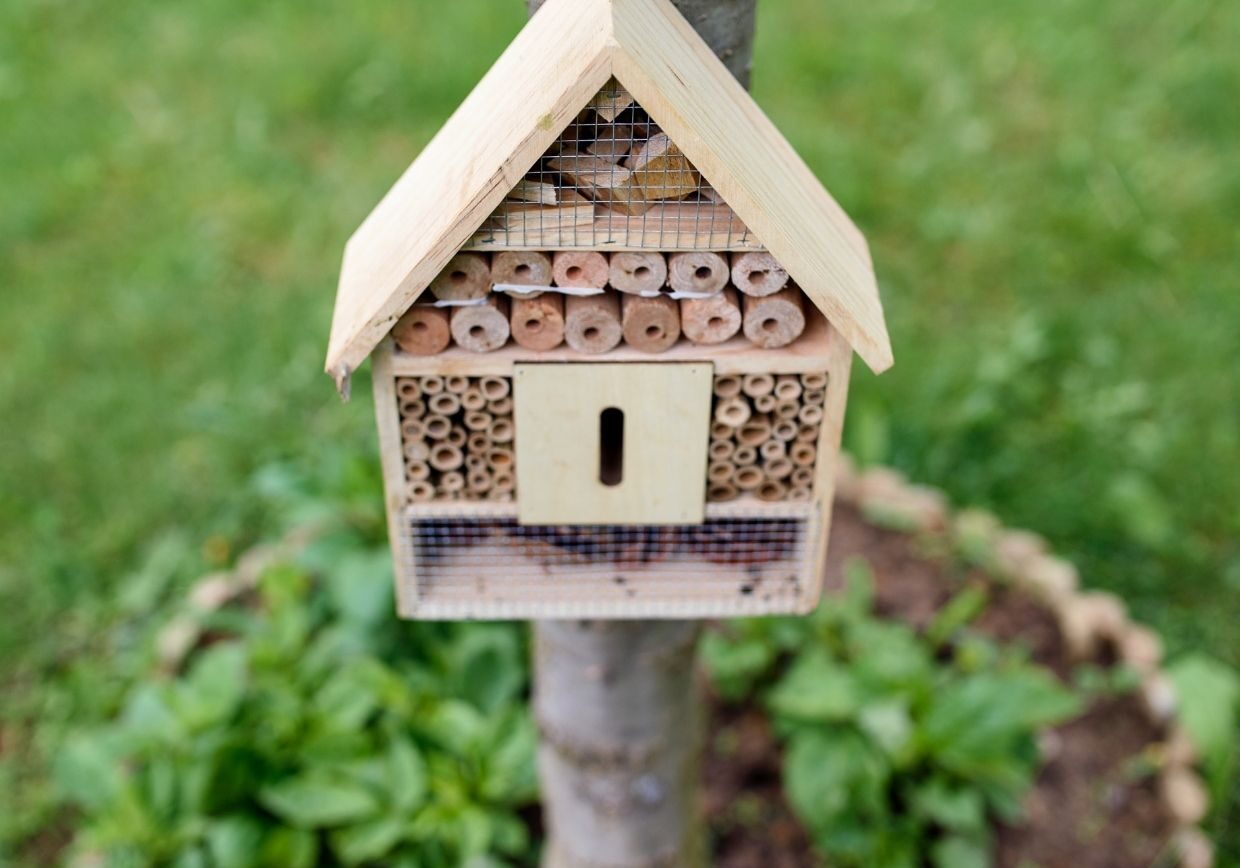
We cannot emphasise enough the importance of attracting birds, insects, frogs or hedgehogs to your garden. They help control pests and pollinate your plants. Put up nesting boxes or feeders so birds will visit, and try insect hotels, a great natural resource for children to learn about nature and for wild animals to find a safe refuge.
6. Reduce the use of chemical treatments
Removing chemical pesticides is the best way to turn your garden eco-friendly. Their excessive use has had a devastating impact on insect populations, affecting the entire food chain. Interplanting plants, as we explained above, is also a natural way to discourage garden pests.
At Eviss Garden, we will be delighted to introduce you to this healthy and sustainable world, both for your garden and for the planet. Please do not hesitate to speak with our team to create your own ecological garden. We will advise you according to the dimensions and purpose of your garden.